
Limited Time Offer!
Lock in your discount today:
Sign up for our newsletter today and snag $110 off 5+ nights! We’ll send your code straight to your inbox so you can use it whenever you’re ready.
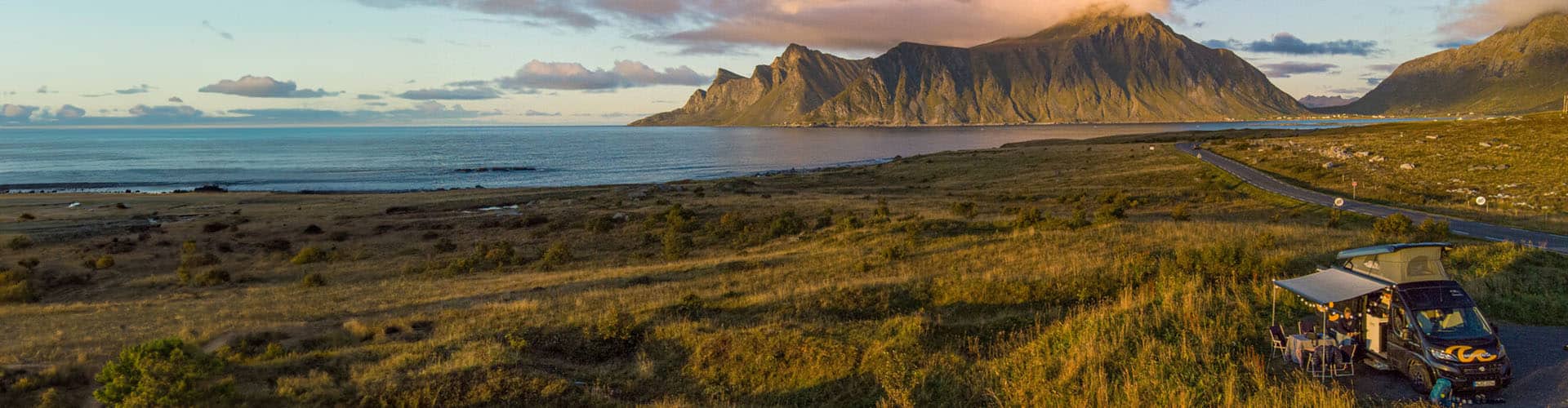
Rent a camper van in Norway and discover why Norwegians are the happiest people on Earth as you explore over 1000 stunning fjords along the coastline, magnificent waterfalls, and breathtaking Arctic landscapes in the North of Norway. From November to January, you can even witness the awe-inspiring Northern Lights – a truly unforgettable experience! Norway is shrouded in mystical allure, captivating outdoor enthusiasts from around the world every year. Embark on the ultimate outdoor adventure with your RV rental in Norway.
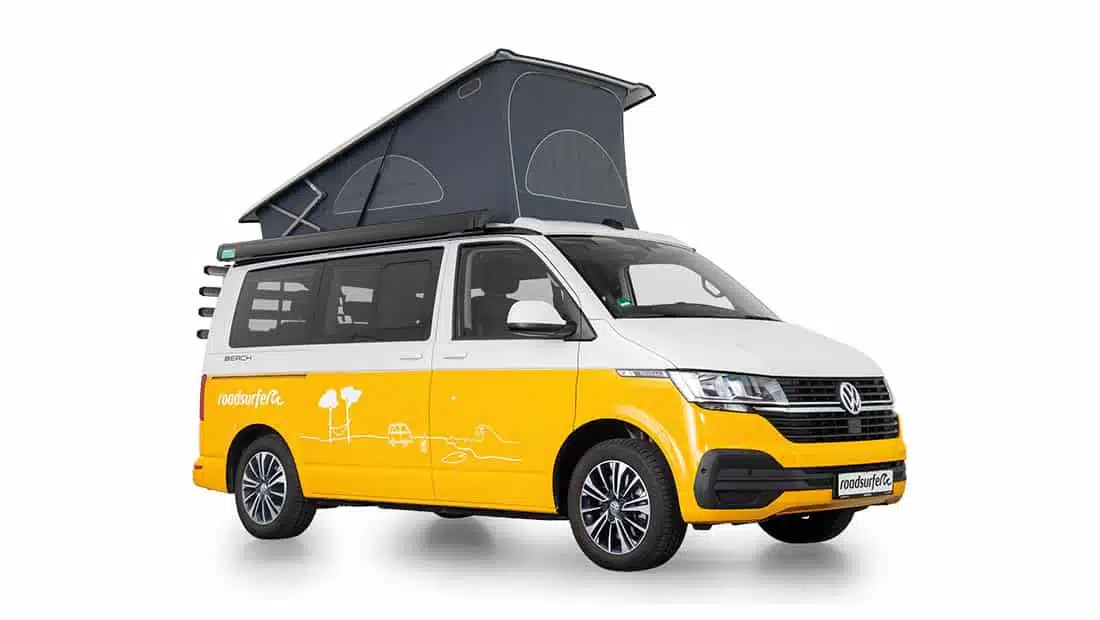
VW T6.1 California Beach

VW T6.1 California Ocean

New VW California Ocean / Coast
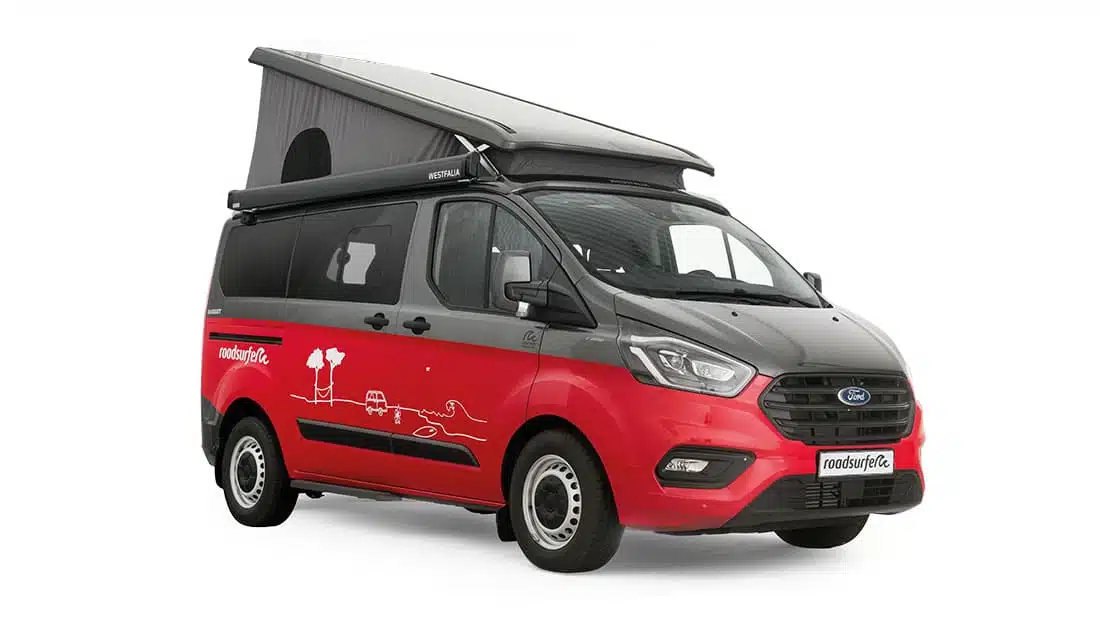
Ford Nugget
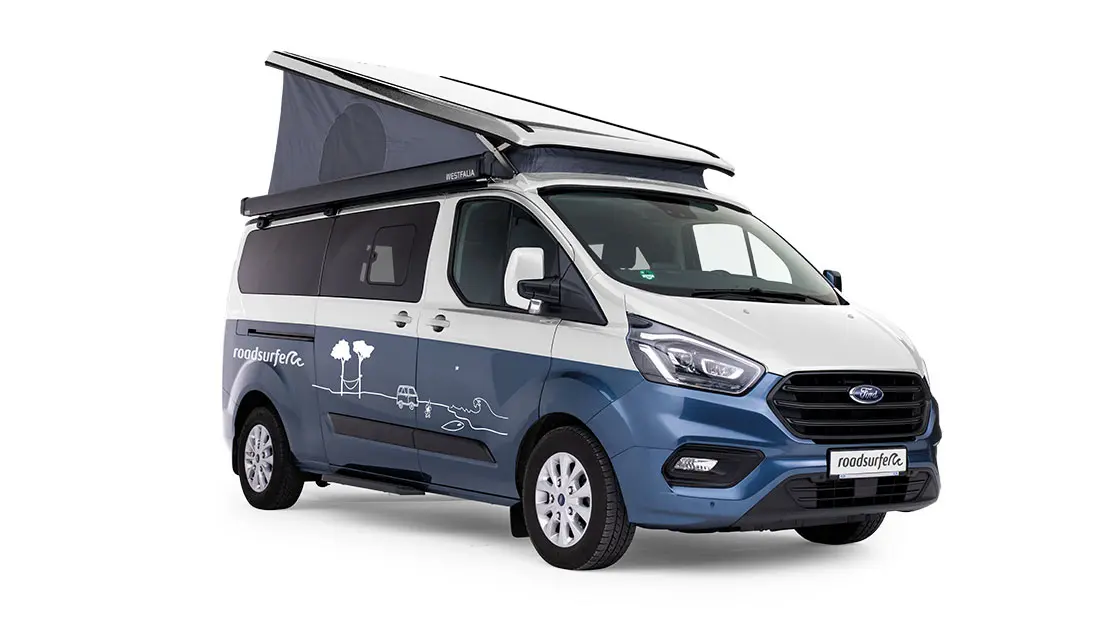
Ford Nugget Plus
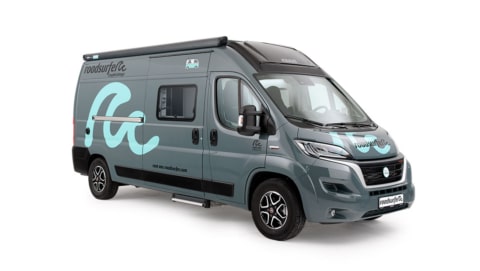
Various Manufacturers
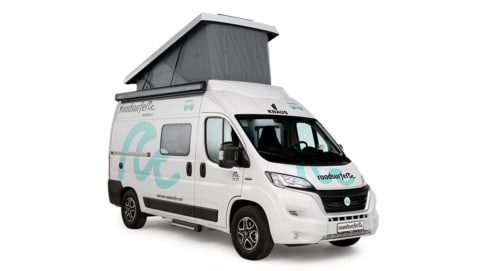
Various Manufacturers
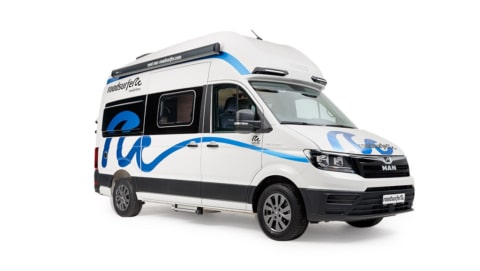
Various Manufacturers
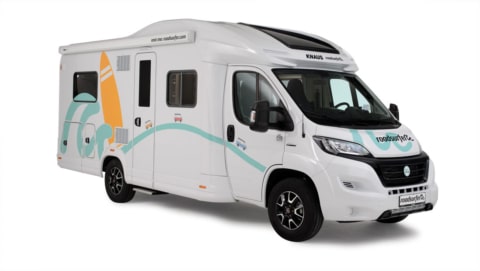
Various Manufacturers

Hymer Grand Canyon


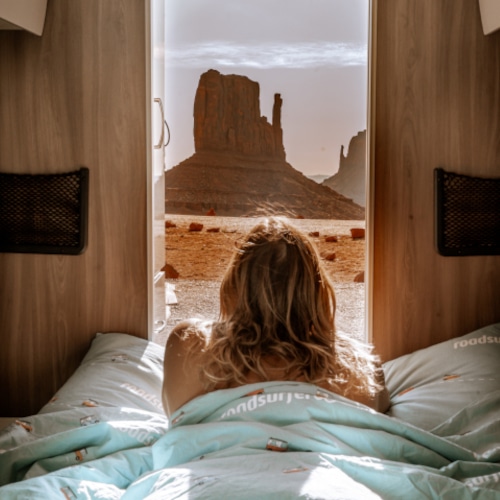
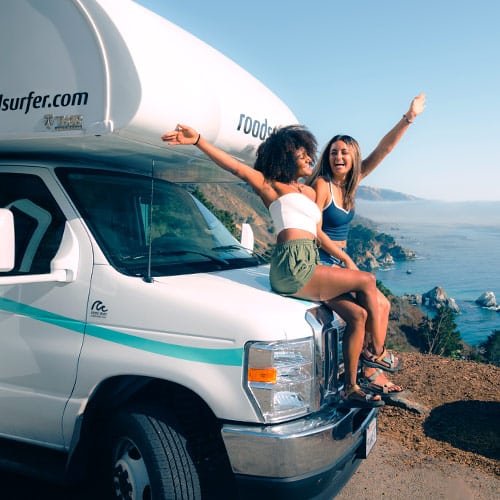
TRUSTED BY THOUSANDS OF TRAVELERS WORLDWIDE
Norway’s dramatic fjords, northern lights, and mountain landscapes make it one of the most breathtaking countries to explore by RV or camper van. Drive along the Atlantic Road, cruise through the fjords of Geiranger, or head north toward the Arctic Circle for endless summer days. Unlimited mileage means you can venture as far as you like, and with a second driver included, the journey is easier to share. With 24/7 roadside assistance, flexible cancellation, and camping gear already included, your Norwegian road trip is unforgettable from start to finish.
Here are the key traffic regulations to keep in mind when renting a motorhome and driving in Norway:
In Norway, the “Allemannsretten,” known as Everyman’s Right, is applicable. This entails the following allowances: You can spend the night in your tent by the fjord (with a two-day limit), gather berries and mushrooms, kindle a campfire, or explore the lakes and rivers by boat – provided the area is not privately owned, of course. When it comes to overnight stays in a camper van or motorhome in Norway, the law is not so clear. Parking in the open is permissible at any time but exclusively on public roads. Additionally, it’s permissible to stay for a single night in parking lots, pastures, picnic areas, or areas designated for wood stacking unless explicitly forbidden. It’s important to keep in mind the principle of leaving no trace, be it during wild camping or when establishing a pitch at any nature campground. If you opt for wild camping, set up a basic campsite with minimal equipment to avert attracting undue attention.
Should you prefer campgrounds complete with practical amenities and a touch more comfort, you can select from the following categories of campgrounds in Norway:
It’s recommended to plan ahead and decide which type of camper van campground aligns best with your preferences and interests. Additionally, booking well in advance is recommended during the high season or when you intend to stay near popular attractions. This can help ensure you have a spot at your chosen campground and can make the most of your camping experience in Norway.
When your rent an RV in Norway, consider incorporating one of these annual events into your itinerary for a memorable experience: