How-to’s

Meili Wyss • Last updated: May 18, 2026 • 6 min read
Pop-up camper rentals sit right between a compact camper van and a full-size RV, giving you extra sleeping space and headroom without dealing with a larger, harder-to-drive vehicle. If you’re planning a road trip and trying to balance space, cost, and flexibility, this guide explains how pop-up campers work, how they compare to other RV options, and when they actually make sense for your trip. For a broader overview of camper types and travel styles, visit our RV Guides hub.
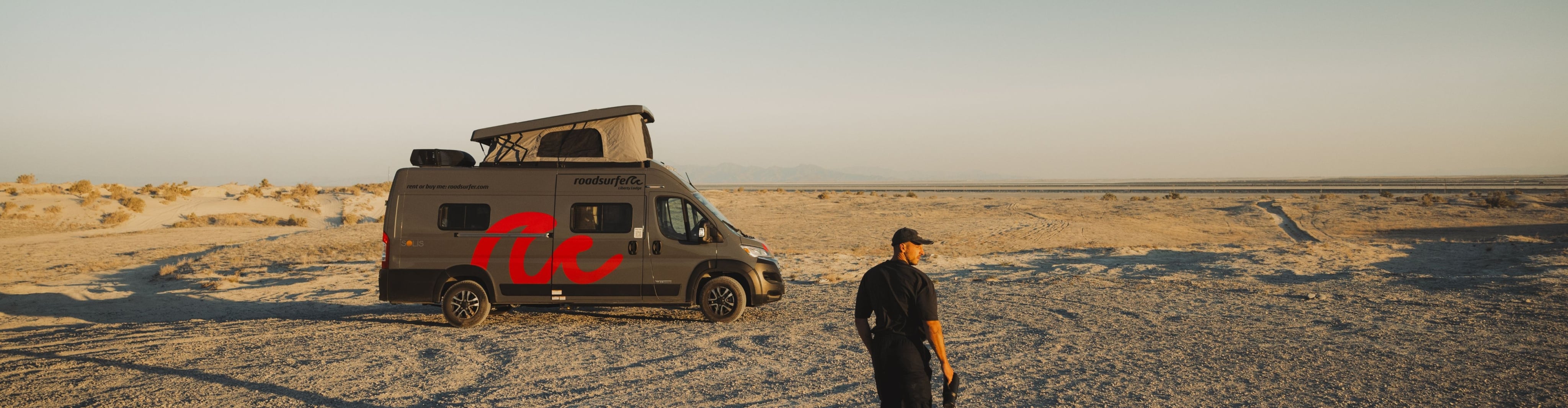
A pop-up camper is a compact RV with an expandable roof or sleeping area that creates more space when parked.
While “pop-up camper” can sometimes refer to towable trailers, this guide focuses on drivable pop-up camper vans and RV rentals designed for flexible road trips.
Yes, pop-up campers are considered RVs because they are recreational vehicles designed for travel, temporary living, and recreation.
Drivable pop-up camper vans are typically classified as Class B RVs, combining compact handling with expandable living space.
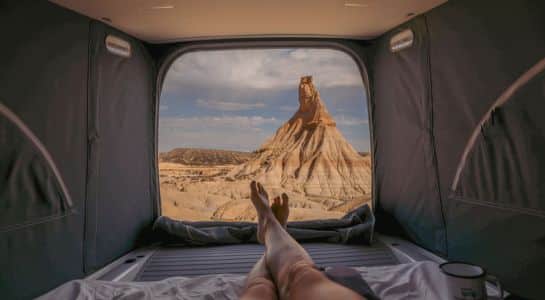
Pop-up campers typically resemble a standard van or small RV when closed, making them easier to drive and park than larger motorhomes.
Once parked, the roof lifts or expands to create additional standing room and living space.
Pop-up campers typically weigh between about 700 and 4,000 pounds, depending on whether they are smaller towable models or larger feature-rich versions.
Weight varies based on size, amenities, and vehicle type, but many pop-up campers are designed to stay relatively lightweight for easier towing, driving, and setup compared to more traditional RV options.
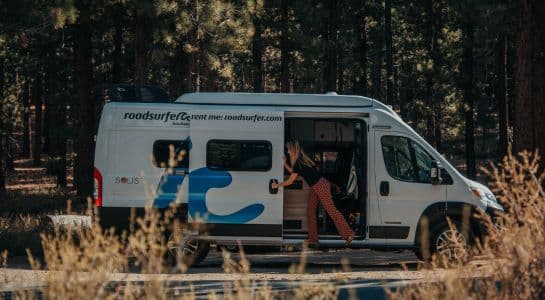
Smaller pop-up Class B camper vans typically focus on compact sleeping areas, seating, storage, and smaller kitchen setups designed for flexible travel. Models like the Beach Hostel prioritize space efficiency and drivability while still offering essential cooking and living features inside the vehicle.


Larger pop-up Class B RVs built on Sprinter-style platforms may include expanded kitchens, compact bathrooms, additional storage, and more self-contained living amenities. For example, the Liberty Lodge offers a more spacious interior while maintaining the flexibility of a pop-up design.


When the roof is raised, both smaller Class B camper vans and larger Sprinter-style Class B RVs gain additional standing room and elevated sleeping space through the pop-up section. This expandable design helps maximize interior functionality during the day while creating extra bed space at night without significantly increasing vehicle size.


A pop-up camper works by raising its roof to create additional standing room and sleeping space once parked. Most models use a lift mechanism that elevates the roof, while the upper sleeping platform folds or pulls into place to form a bed.
This design allows the vehicle to stay compact while driving while expanding into a more functional living space at your destination.

Setting up a pop-up camper depends on how its pop-top roof system works, but most models use either automatic or manual roof setups.
Once the roof is raised, the upper sleeping area is arranged into place, creating extra bed space above while adding more standing room below.
Most pop-up campers are designed to be quick and practical to set up, often taking only a few minutes once parked.
Yes, pop-up campers can be rented in many locations, though availability varies by destination, rental provider, and travel season.
For example, roadsurfer offers pop-up camper options in multiple markets, including the Liberty Lodge in North America, while European travelers often have access to a wider range of pop-up camper van models. If you’re planning your first rental, it can also help to understand what to know before booking a camper rental.
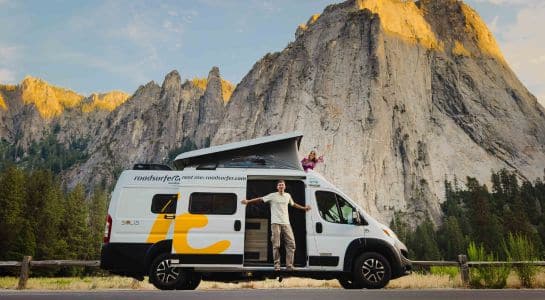
Pop-up camper rental prices vary depending on the season, location, and vehicle type, but most pop-up camper vans fall in the range of $180 to $300+ per night.
Prices tend to be higher in popular travel destinations and during peak travel seasons. Longer trips can sometimes reduce the average nightly rate, while extras like mileage packages, insurance, or camping gear can increase the total cost.
For groups of up to four people, this can often be more cost-effective than booking hotels and a rental car separately.
Because pop-up camper vans are less common than standard camper vans, they tend to book out earlier, especially during spring and summer.
If you’re traveling during peak season or planning a trip around national parks, it’s best to book several weeks in advance. For off-season trips, availability is usually more flexible, but options may still be limited depending on the location.
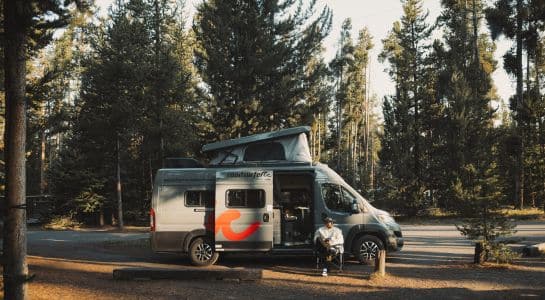
A pop-up camper makes sense if you want the size and drivability of a van but need sleeping space for more than two people. It works best for road trips where you’re moving often and don’t need a large indoor living area. If your priority is staying flexible and having everything in one vehicle, it’s a practical middle ground between a standard camper van and a larger RV, especially for travelers who prioritize flexibility over space.
Most pop-up camper vans can sleep up to four people. They usually include a bed in the pop-up roof and a second sleeping area inside the van.
Some pop-up camper vans include a bathroom with a toilet and shower, while others do not. It depends on the specific model. More fully equipped vans, like the Liberty Lodge, include a compact bathroom for added convenience.
Yes, pop-up camper rentals are well suited for road trips because they are easy to drive and quick to set up. They allow you to move between locations without booking separate accommodation.
From picking the right RV class to planning routes and camping spots, our RV guides hub pulls everything into one place so you don’t have to piece it together from scratch.

Travel smarter with roadsurfer.
Trusted by thousands of travelers worldwide.
✓ Backed by 20,000+ Google reviews
✓ Built for families, couples & adventurers
✓ Inspiration & exclusive deals for subscribers