How-to’s


Meili Wyss • Last updated: April 29, 2026 • 8 min read
Snow tires are designed for cold conditions, but it’s not always obvious when you actually need them or how much of a difference they make. This guide explains how they compare to summer tires, what they cost, how long they last, and whether they’re worth it for everyday driving or a winter road trip. For more planning tips, explore the RV guides hub.
Snow tires and winter tires are the same thing—both terms describe tires built for cold-weather driving below 45°F (7°C).
“Winter tires” is the more accurate term because they improve traction on snow, ice, slush, and cold pavement.
While the names are often used interchangeably, understanding they refer to the same tire type helps when comparing seasonal tire options or shopping for winter driving safety.
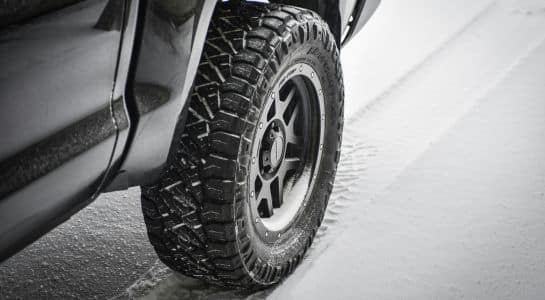
Winter tires and summer tires are built for entirely different temperature ranges, with major differences in rubber compound, tread design, braking performance, and overall cold-weather safety.
The table below breaks down the key performance differences between winter and summer tires in cold and warm conditions.
You can use winter tires year-round, but they wear faster and reduce handling in warm conditions, so switching seasonally is usually the better long-term choice.

| Feature | Winter Tires | Summer Tires |
|---|---|---|
| Rubber compound | Stays flexible in cold temperatures for better grip | Hardens in cold weather, reducing traction |
| Ideal conditions | Snow, ice, slush, and cold roads | Dry, wet, and hot roads |
| Traction and braking | Shorter stopping distances on cold, wet, snowy, or icy roads | Strong grip in warm weather but reduced winter safety |
| Tread design | Deeper tread and sipes for snow and ice traction | Shallower tread optimized for dry and wet summer roads |
Snow tires are most important when you regularly drive in freezing temperatures, snow, ice, or areas where winter road conditions are unavoidable — especially on mountain roads, iced highways, or routes prone to early-season storms. For RV owners, cold-weather readiness goes beyond tires; if temperatures in your area regularly drop below freezing, winterizing your RV before cold weather arrives protects the plumbing, water heater, and appliances from freeze damage that tires alone can’t prevent.
They’re especially valuable for drivers facing mountain roads, rural routes, early commutes, or frequent cold-weather travel.
The best winter tires depend on your driving conditions, vehicle type, and how severe your winter weather typically is.
The table below compares the main types of winter tires to help you choose the best option for your driving needs.
| Tire Type | Best For | Key Benefits | Potential Drawbacks | Typical Price Range |
|---|---|---|---|---|
| Studless winter tires | Most winter drivers, city roads, highways, mixed snow and slush | Strong all-around winter traction, quieter ride, legal in most areas | Slightly less extreme ice grip than studded tires | Moderate ($$) |
| Studded winter tires | Mountain roads, severe ice, packed snow | Maximum grip on ice and harsh winter roads | Road noise, faster wear, possible legal restrictions | Higher ($$$) |
| Performance winter tires | Milder winters, urban roads, wet pavement | Better dry-road handling, smoother ride | Reduced deep snow and severe ice performance | Moderate to high ($$–$$$) |
For most RVs and camper vans, commercial-grade studless winter tires are typically the best overall option because they provide the strongest balance of traction, braking, load support, durability, and cost.
Because RVs and camper vans are heavier than standard passenger vehicles, choosing winter tires with proper load ratings, reinforced construction, and certified winter performance is especially important for safe cold-weather travel.
Look for strong traction, braking performance, proper load capacity, and cold-weather flexibility. For RVs and camper vans, reinforced construction and higher load ratings are especially important for safe winter driving.
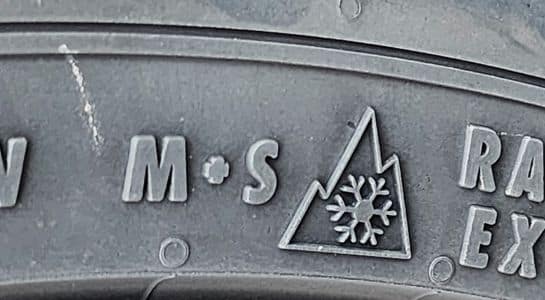
The three-peak mountain snowflake (3PMSF) symbol indicates certified winter performance.
Winter tire costs vary significantly based on vehicle size, tire quality, and load requirements, with larger RVs and camper vans typically requiring more expensive reinforced tires.
Additional seasonal expenses may include mounting and balancing ($80–$200 per season), tire storage ($50–$150 per season), or a second wheel set ($600–$1,500+ upfront).
For RVs and camper vans, winter tires are a larger upfront investment, but they can significantly improve traction, braking, and safety below 45°F while also helping reduce long-term wear on summer tires.
| Vehicle Type | Cost Per Tire | Estimated Full Set |
|---|---|---|
| Passenger cars | $100–$200 | $400–$800 |
| SUVs/crossovers | $180–$350 | $700–$1,400 |
| Larger vans/Class B RVs | $250–$450+ | $1,000–$2,000+ |
Snow tires typically last 3–5 winter seasons when used only during cold months and stored properly in the off-season.
Because their softer rubber wears faster in warm temperatures, limiting use to winter conditions helps preserve tread life and performance.
Winter tires should be replaced when tread depth becomes too low for safe traction or when the rubber hardens and loses cold-weather flexibility.
Winter tires are easy to identify by deeper tread patterns, more aggressive designs, and many small grooves (sipes) for traction.
Typical features include:
They also display the three-peak mountain snowflake (3PMSF) symbol, which confirms certified winter performance.

Snow tires are worth it if temperatures regularly drop below 45°F or if you drive in snow, ice, or cold wet conditions.
They provide better grip and shorter braking distances than regular or all-season tires, making them the safer choice for most winter driving. If you only drive in mild conditions above 45°F, you may not need them—but in most cases, the safety benefits outweigh the higher upfront cost.
No, mixing snow tires with regular tires can reduce stability and create uneven grip, especially in slippery conditions.
Yes, snow tires can slightly increase fuel consumption due to higher rolling resistance, but the difference is usually small.
You should switch to winter tires when temperatures consistently drop below about 7°C, even if there is no snow.
All-season tires can handle light winter conditions, but they provide less traction and control than winter tires in cold, snowy, or icy environments.
3PMSF tires meet certified winter performance standards, while M+S (mud and snow) tires are not required to meet the same level of cold-weather performance.
From picking the right RV class to planning routes and camping spots, our RV guides hub pulls everything into one place so you don’t have to piece it together from scratch.



Travel smarter with roadsurfer.
Trusted by thousands of travelers worldwide.
✓ Backed by 20,000+ Google reviews
✓ Built for families, couples & adventurers
✓ Inspiration & exclusive deals for subscribers