How-to’s


Meili Wyss • Last updated: April 20, 2026 • 7 min read
RV rental prices in the U.S. typically range from $90 to $350+ per day, with total trip costs varying based on your travel style and choices. Many travelers budget around $400 to $1,200 for a weekend, $1,000 to $2,600 for a week, or $2,700 to $10,500+ for a month, depending on the RV type, trip length, and season. Extras like insurance, mileage, and add-ons can shape your final price, so it helps to plan with a full-picture budget in mind. For a broader overview of RV travel, visit our RV Guides hub.
RV rental prices in the U.S. are usually shown as a base daily rate, but that number does not reflect the full cost of your trip.
Most listings only include the vehicle itself. Additional costs such as insurance, mileage, and service fees are added separately, which means two rentals with the same daily price can end up with very different totals.
As a general rule, the base price is only part of what you pay. Most trips end up costing 20 to 40 percent more once all extras are included.

In the U.S., RV rental prices typically range from about $90 to $350+ per day, depending on the specific RV model, season, trip length, and included features.
At roadsurfer and many modern RV rental fleets, Class B and Class C RVs can often fall within similar price ranges, with premium Sprinter-style RVs like the Horizon Hopper sometimes costing more than larger Class C options like the Family Freedom. Pricing is often shaped more by vehicle configuration, amenities, and demand than by RV class label alone.
These general daily price ranges provide a practical starting point for comparing major RV categories before factoring in route, insurance, and optional extras.
| RV Type | Typical Daily Price | Best For |
|---|---|---|
| Camper Van (Class B) | $90 to $170 | Couples, solo travelers, flexible trips |
| Sprinter Van (Class B) or Standard RV (Class C) | $100 to $200 | Families, group travel, longer trips |
| Class A / Large RV | $180 to $350+ | Maximum space, extended stays |
While pricing tables offer a useful baseline, RV type alone does not always tell the full story. Vehicle layout, amenities, build quality, and seasonal demand can all significantly influence where a specific model falls within its price range.
The examples below break down how common RV categories are typically positioned, helping travelers better understand what drives pricing differences and which RV types may best fit their trip style.

(Class B)
Camper vans are usually the most compact and flexible option, which can make them a budget-friendly choice for couples, solo travelers, and shorter road trips.
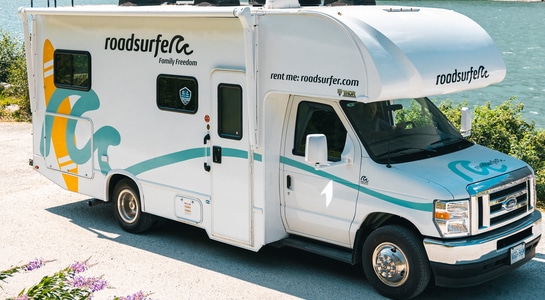
(Class B / Class C)
Standard Class C RVs often sit in a similar price range to premium Class B models, but they usually offer more interior space, making them a practical choice for families or small groups.

(Class A)
Class A RVs typically sit at the highest end of the price range due to their larger layouts, expanded amenities, and extended-stay comfort. They are often best suited for travelers prioritizing maximum space, upgraded features, and longer road trips.
In the U.S., weekly RV rental costs typically range from about $600 to $2,800+, while two-week RV rentals can range from roughly $1,200 to $5,000+, depending on RV type, season, and route.
Longer RV rentals often lower the average nightly rate compared to weekend trips, though total costs still rise with trip length. Mileage policies, insurance, and seasonal demand can all significantly influence your final RV rental budget.
| RV Type | Weekend (2 to 3 days) | 1 Week Estimate | 2 Week Estimate |
|---|---|---|---|
| Camper Van (Class B) | $270 to $500 | $600 to $1,100 | $1,200 to $2,200 |
| Sprinter Van (Class B) or Standard RV (Class C) | $300 to $600 | $700 to $1,400 | $1,400 to $2,800 |
| Class A / Large RV | $540 to $1,200 | $1,200 to $2,800 | $2,500 to $5,000 |
Beyond the base rental price, RV rentals often include extra fees for insurance, mileage, cleaning, deposits, and optional add-ons that can raise total trip costs by 20 to 40 percent.
While daily rates provide a useful starting point, these additional expenses can significantly affect your final budget, especially on longer trips or rentals with mileage restrictions. Understanding them upfront makes it easier to compare real RV rental prices and avoid unexpected costs.

To estimate total RV rental cost, multiply the daily rental rate by your trip length, then add roughly 20 to 40 percent for insurance, mileage, cleaning, and optional extras.
To estimate your total RV rental cost:
Example:
This gives you a realistic budget before booking, and if you want a deeper breakdown of real RV trip costs, our RV trip calculation guide can help.
An RV rental fits your budget if the total trip cost aligns with your planned spending across transportation, accommodation, and daily expenses.
To evaluate this, compare the full RV rental cost, not just the daily rate, to what you would spend on a similar trip using hotels and a rental car. This includes adding estimated extras like insurance, mileage, campground fees, and fuel.
The key is to look at the total trip cost, not just the base rental price, and compare it to your alternatives.
If you want a broader breakdown of when these costs make sense for different types of trips, see our guide on whether a camper van rental is worth it.
You should book your RV rental at least 2 to 6 months in advance for the best availability and pricing. During peak travel seasons like summer and holidays, popular vehicle types can sell out quickly. Booking early gives you more options and often better daily rates, while last-minute bookings tend to be more limited and expensive.
Most RV rentals include the vehicle itself, basic insurance coverage, and essential driving equipment. Depending on the provider, you may also get kitchen basics, bedding, or camping gear. However, many extras like mileage packages, full insurance, or add-ons such as bike racks are often charged separately.
In most cases, you do not need a special license to rent an RV. Standard driver’s licenses are typically sufficient for Class B and many Class C vehicles. Larger RVs may have additional requirements depending on the country, but most rental fleets are designed to be accessible for regular drivers.
Mileage is sometimes included, but many RV rentals charge based on distance traveled. Some companies offer a set number of free miles per day, while others use a pay-per-mile model. It’s important to check this in advance, as mileage costs can significantly impact your total trip price.
Many RV rental companies allow cross-border travel, but restrictions often apply. Travel between US states is usually permitted, but international trips (such as between the US and Canada or within Europe) may require prior approval. Always confirm allowed travel zones and insurance coverage before your trip.
From picking the right RV class to planning routes and camping spots, our RV guides hub pulls everything into one place so you don’t have to piece it together from scratch.


Travel smarter with roadsurfer.
Trusted by thousands of travelers worldwide.
✓ Backed by 20,000+ Google reviews
✓ Built for families, couples & adventurers
✓ Inspiration & exclusive deals for subscribers