



Extended Trips

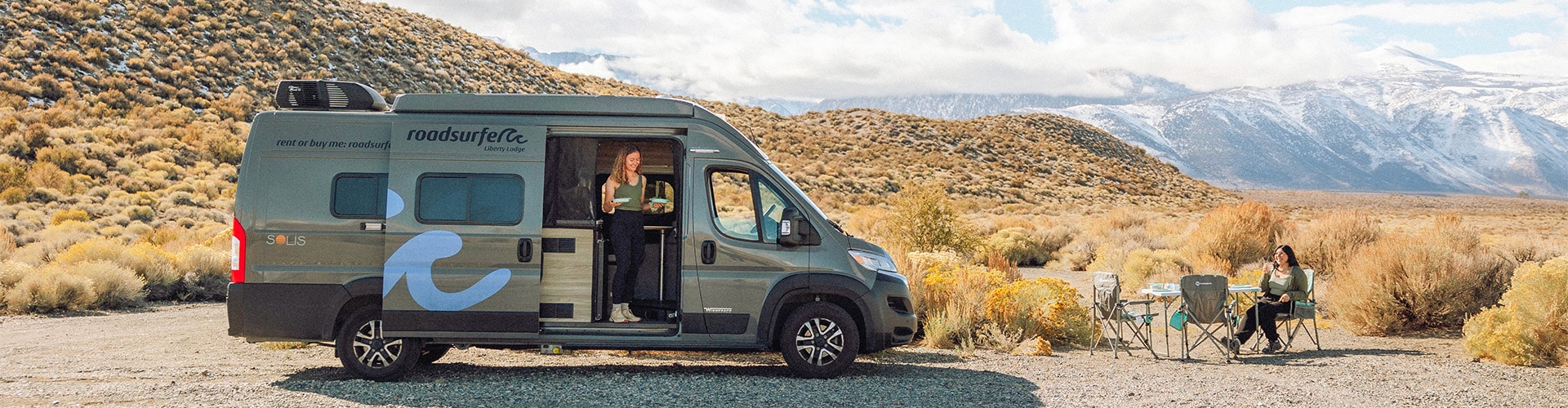
Meili Wyss • Last updated: July 20, 2026 • 11 min read
Every camping checklist comes down to five basics: shelter, a warm place to sleep, water, food and a way to cook it, and safety gear. Get those right and almost everything else is comfort. How much of that list you carry depends on how you camp — tent campers pack all of it, while a campervan covers the first two before you leave the lot. This checklist walks through each category, shows how your list shifts depending on your setup, and flags the small items first-timers forget most.
For most trips you need shelter, a sleeping bag and sleeping pad, drinking water, food and a stove, warm layers, a headlamp, and a basic first-aid kit. Add sun protection, a lighter, and a safe way to store food. Everything beyond that is comfort, not survival.
Renting a campervan or RV? Cross off the shelter and sleep rows — the bed and roof are built in — and treat the rest of this list as your grocery-and-gear run.
Here is the full list, grouped so you can pack by category:
Take the checklist with you
One page, print-ready. Every category from this guide, with tick boxes. PDF, 1 page.
Pack your safety items first, because these are the ones that matter when a trip goes sideways. Outdoor organizations in the U.S. use a long-standing framework called the Ten Essentials, and it works just as well for campers as for hikers. The list is the same whether you sleep under nylon or a pop-top roof.
You may not touch half of these on an easy weekend. They earn their space the one time something goes wrong.
In a campervan or RV, shelter and sleep are the two checklist items you can skip: the bed, the insulation, and the roof travel with you. Bring your own pillow and a warm layer to sleep in — rental bedding kits are usually booked as an add-on, and nights get colder than first-timers expect, even in summer.
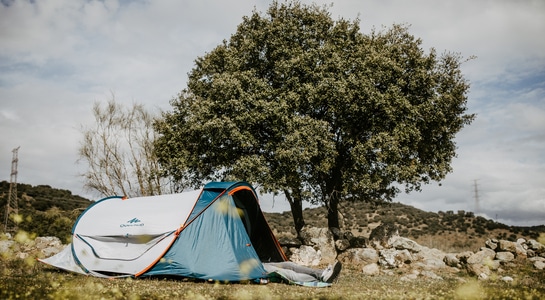
Sleeping in a tent, your pad matters as much as your sleeping bag, because most of the cold you feel at night comes up from the ground. A pad or cot puts insulation between you and the earth, and a bag rated for the temperatures you expect handles the rest. Size your tent up by one or two people beyond your group so gear has a home and nobody sleeps against the wall.
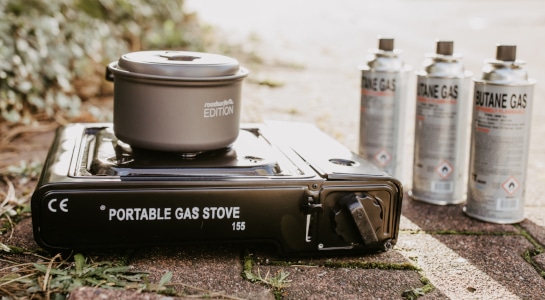
A camp stove and fuel give you reliable cooking even where fires are banned, so treat them as the core of your kitchen. Around that, pack:
In a campervan, the stove, fridge, and sink are built in — the kitchen kit (pots, plates, cutlery) is usually an add-on, so check your rental’s list before you shop.
Food safety is the part beginners overlook. Keep raw food and drinks in separate coolers, keep them shaded, and store all food securely overnight. In bear country that means the metal food locker at your site or a bear canister. In Yosemite, Sequoia and Kings Canyon, storing food in your vehicle is not allowed in campgrounds at all — it has to go in the locker. You pack out everything you bring in.
Ready.gov recommends at least one gallon of water per person per day for drinking and sanitation. For car camping, plan on about two gallons per person per day so you have enough for cooking and cleanup on top of drinking. Hot weather and hard activity push that higher, so round up rather than down.
If you are camping somewhere without a tap, either carry all your water or bring a filter or treatment tablets, and confirm there is a water source to treat. Never plan to drink untreated water from a stream or lake.
In a campervan, the fresh water tank handles cooking and cleanup; many travelers still carry separate drinking water.
roadsurfer tip: Hot days and hiking push water needs past the two-gallon guideline fast. Round up when you fill, and pack electrolyte tablets or powder for hot days and long hikes — plain water alone does not replace what you sweat out. Running out is a trip-ender; hauling a little extra is a minor chore.
Layer instead of packing one heavy jacket, and skip cotton. Cotton holds moisture, stays cold once damp, and dries slowly, which is why experienced campers reach for wool or synthetic fabrics instead. Cover most conditions with:
Dry feet make a surprising difference to how a day feels.
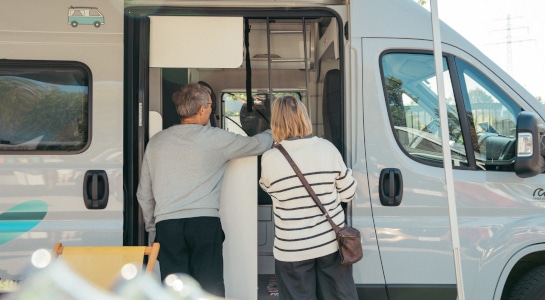
A headlamp is the most useful light you can bring because it leaves both hands free for cooking or setting up in the dark. Round out the kit with:
Not everything on a packing list is a must-have. This table sorts the common items so you can pack the necessities first and add comfort where you have room.
You truly need
Nice to have
You truly need
Nice to have
The best way to camp depends on how you are traveling and who you are traveling with, because your setup decides how much gear you carry and how much comfort you get. Use this to find your starting point.
Tent camping keeps costs low and works anywhere you can pitch it, but you carry and set up everything yourself. Car camping is the easiest entry point for families, since you drive to the site and can bring bulky comfort items. A camper van or RV moves your bed and kitchen with you, which is why it suits travelers who are flying in, changing location often, or want to skip most of the packing.
| If you are… | Best option |
|---|---|
| Flying into a destination | RV rental |
| Driving your own vehicle | Tent camping |
| Camping with kids | Car camping |
| Moving to a new place every day | Camper van |
| Staying several nights in one spot | RV |
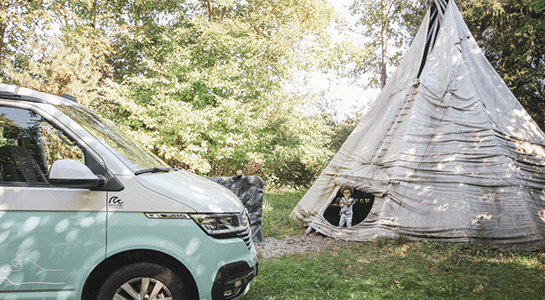
Renting an RV or a camper van removes most of the packing puzzle, because the shelter, bed, and kitchen travel with you. That changes your list more than any other decision, so it helps to know what is usually built in versus what you still bring.
The vehicle comes with a bed or convertible bed, a built-in kitchenette with a fridge, a stove, and a sink, a fresh water tank, and a power system for lights and charging. Larger models often add a bathroom and more storage.

Bedding kits and kitchen kits (pots, pans, plates, cutlery) are commonly booked as extras rather than included by default, and propane or stove fuel may be handled separately. This varies by company and pickup location, so check your rental’s included-equipment list before you shop for anything.
Food and a water plan, personal clothing and toiletries, a first-aid kit, camp chairs, and any outdoor gear for your activities. If you skip the bedding kit, bring your own sheets, pillow, and a warm layer for cold nights.
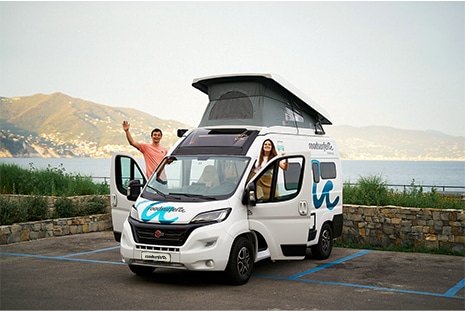
A Class B is a camper van built on a van chassis. It is the easiest to drive and park, usually sleeps two, and often has no full bathroom. A Class C is larger, built on a truck or van cab with a bed over the cab, sleeps more people, and typically includes a bathroom and more storage. Couples and solo travelers tend to prefer a Class B for simplicity, while families lean toward a Class C for space. Our Class B vs. Class C comparison breaks down the tradeoffs in detail.
New to RV camping? Our RV camping guide covers the first-trip basics beyond packing.
A few minutes of prep at home prevents the most common day-one headaches. Run through this list before you pull out of the driveway:
roadsurfer tip: Renting a campervan? Check whether bedding and kitchen kits are part of your booking before you go shopping — they’re usually add-ons, not included.
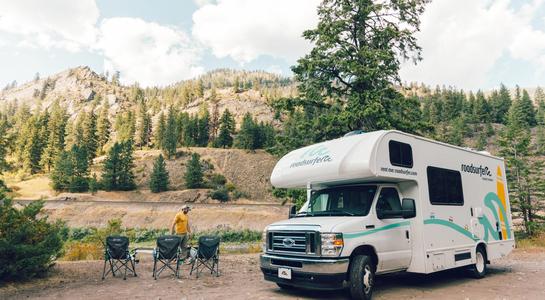
Most rough first trips trace back to a handful of avoidable mistakes. These are the ones that catch beginners most often:

Once you have covered shelter, sleep, water, food, and safety, your camping checklist is complete: you have packed everything you truly need for a good trip. Everything after that is about comfort, and how much you bring is up to you and how much space you have. If you rent an RV or camper van, much of that setup already travels with you, so you can spend less time packing and more time on the trip itself.
The most important things to bring camping are shelter, a sleeping bag and pad, water, food and a stove, and a basic first-aid kit. These five categories are the core of any camping checklist and cover safety and comfort for almost any trip. Sun protection, a headlamp, and a lighter round out the true must-haves, and everything else is optional comfort.
Plan for about two gallons of water per person per day when car camping. Ready.gov sets one gallon per person per day as the minimum for drinking and sanitation; the second gallon covers cooking and cleanup. If your camping spot has no water source, carry all of it with you or bring a filter and confirm there is water to treat.
First-time campers most often forget trash bags, a backup light source, and warm layers for nighttime. Trash bags are easy to leave behind but necessary, since you pack out everything you bring in. A second light and an extra warm layer both matter more than beginners expect once the sun goes down.
For an RV or camper van, you mainly need bedding, food, water, and personal gear, since the shelter and kitchen are built in. Bedding and kitchen kits are often optional add-ons rather than included, so check your rental’s equipment list first. You can then skip the tent and most camp cooking gear and pack only what fills the gaps.
A Class B camper van is easier for first-timers because it is compact and simple to drive, while a Class C offers more space for families. Class B vans usually sleep two and may lack a full bathroom. A Class C sleeps more and typically includes a bathroom, at the cost of being larger to handle on the road.

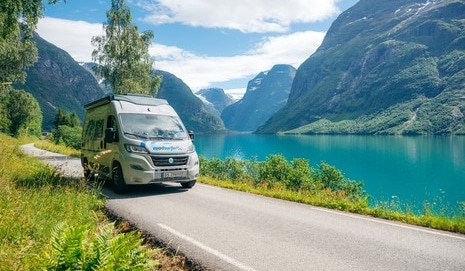
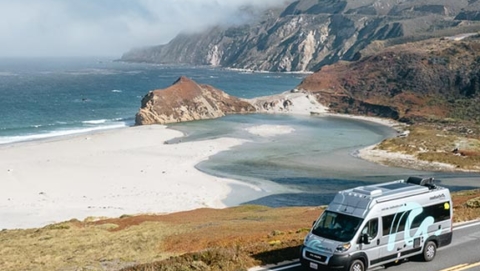
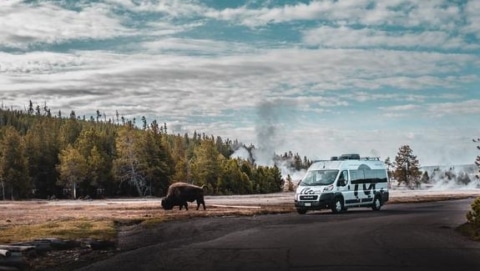
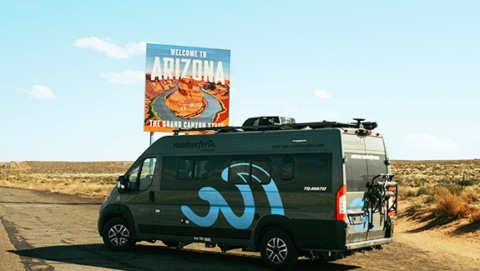
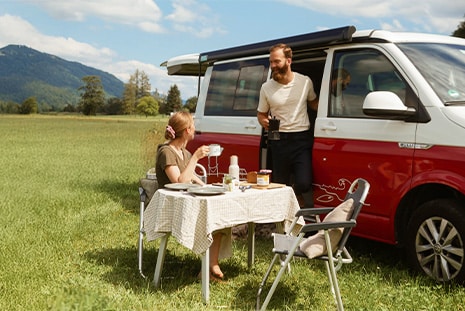
Hit the road with one of the largest RV fleets in the world. Whether you’re after a camper van, compact RV, or full-sized motorhome, your perfect ride is waiting at a roadsurfer station near you—ready for your first night under the stars.
Book Your CampervanTravel smarter with roadsurfer.
Trusted by thousands of travelers worldwide.
✓ Backed by 20,000+ Google reviews
✓ Built for families, couples & adventurers
✓ Inspiration & exclusive deals for subscribers