USA Road Trip
Daisy Hammersley • Last updated: 14 August, 2026 • 11 min read
Every camping checklist comes down to five basics: shelter, a warm place to sleep, water, food and a way to cook it, and safety kit. Get those right and almost everything else is comfort. How much of that list you carry depends on how you camp – tent campers pack all of it, while a campervan covers the first two before you’ve even left the driveway. This checklist walks through each category, shows how your list shifts depending on your set-up, and flags the small items first-timers forget most.
For most trips you need shelter, a sleeping bag and mat, drinking water, food and a stove, warm layers, a head torch and a basic first-aid kit. Add sun protection, a lighter and a safe way to store food. Everything beyond that is comfort, not survival.
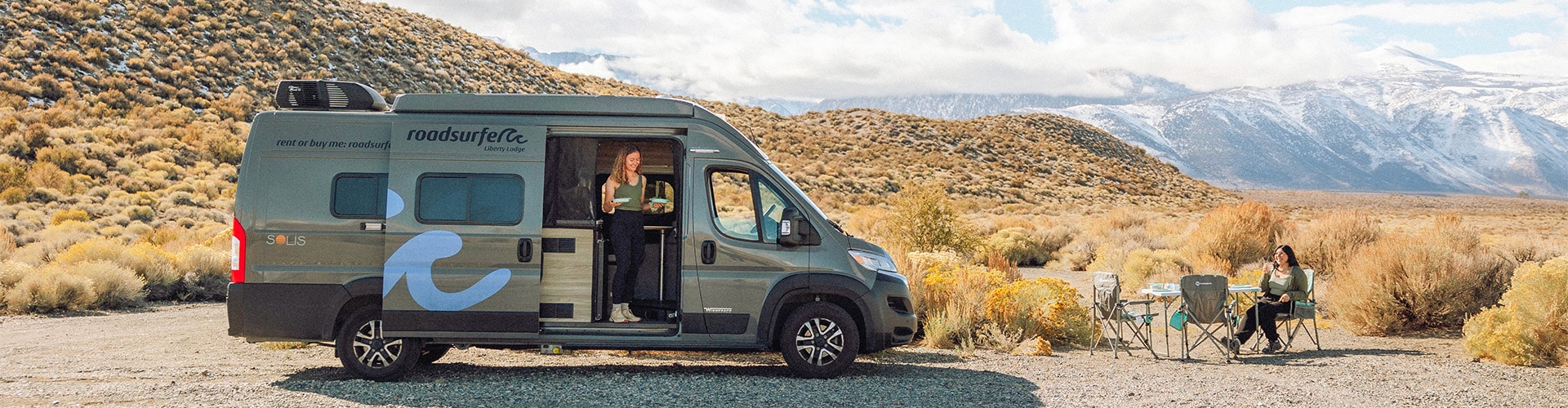
Renting a campervan or motorhome? Cross off the shelter and sleep rows — the bed and roof are built in — and treat the rest of this list as your food-and-kit shop.
Here is the full list, grouped so you can pack by category:
Take the checklist with you
One page, print-ready. Every category from this guide, with tick boxes. PDF, 1 page.
Pack your safety essentials first, because these are the things that matter when a trip doesn’t go to plan. A simple approach like the Ten Essentials, originally developed for outdoor adventures in the U.S., works just as well for campers and campervans in the UK and Europe. The exact items you need will depend on the season, destination and type of trip, but these are a good starting point.
You might not use half of these on an easy weekend away. But they earn their place the one time something doesn’t go to plan. When travelling by campervan, it’s also worth checking your vehicle’s emergency equipment before you set off and knowing the local emergency number for the country you’re visiting.
In a campervan, shelter and sleep are two things you can largely take care of before you even set off: the bed, insulation and roof all travel with you. Bring your own pillow and a warm layer for sleeping in. Rental bedding is often available as an add-on, and nights can feel colder than you expect, even in summer. Not sure where to park up? Check out these campsite apps to help with planning your trip.
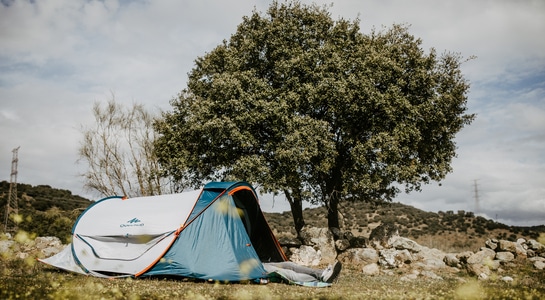
If you’re sleeping in a tent, your sleeping mat matters just as much as your sleeping bag, as a lot of the cold you feel at night comes up from the ground. A sleeping mat or camping cot adds insulation between you and the ground, while a sleeping bag suited to the temperatures you expect will help keep you warm. When choosing a tent, consider sizing up by one or two people beyond your group size, so there’s enough space for your gear and everyone can sleep comfortably without touching the sides.
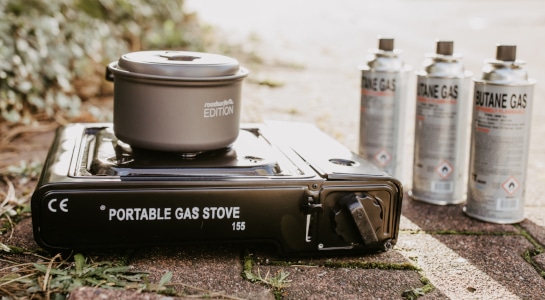
A camping stove and fuel give you a reliable way to cook, including at campsites where open fires aren’t permitted. Around that, pack:
In a campervan, the hob, fridge and sink are usually built in. Kitchen equipment such as pots, plates and cutlery may be included or available as an add-on, so check what’s provided with your rental before you set off.
Food safety is easy to overlook, especially when you’re new to camping. Keep perishable food chilled, store raw meat separately from ready-to-eat food, and clean up properly after cooking. In warm weather, don’t leave food sitting out for long, and always store food securely overnight. If you’re camping in an area with wildlife restrictions, check the local guidance on how and where food should be stored. Most importantly, take all your rubbish with you and leave your pitch or wild camping spot as you found it.
Plan on around 4 litres of water per person per day for drinking and sanitation. For camping, allow around 8 litres per person per day so you have enough for cooking and cleaning up as well as drinking. Hot weather and strenuous activity can push that higher, so round up rather than down.
If you’re camping somewhere without a tap, either carry all your water or bring a filter or purification tablets, and check that there is a suitable water source to treat. Never plan to drink untreated water from a stream, river or lake.
In a campervan, the fresh water tank handles cooking and cleaning up; many travellers still carry separate drinking water.
roadsurfer tip: Hot days and hiking can push water needs well beyond the 8-litre guideline. Round up when you fill up, and pack electrolyte tablets or powder for hot days and long hikes. Running out is a trip-ender; hauling a little extra is a minor chore.
Layer instead of packing one heavy jacket, and avoid cotton. Cotton holds moisture, stays cold once damp and dries slowly, which is why experienced campers often choose wool or synthetic fabrics instead. Cover most conditions with:
Dry feet make a surprising difference to how a day feels.
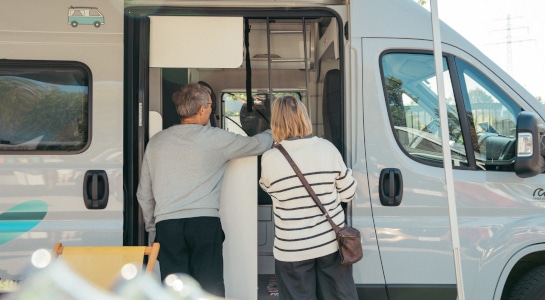
A headtorch is one of the most useful lights you can bring because it leaves both hands free for cooking, setting up camp or finding your way around in the dark. Round out the kit with:
Not everything on a packing list is a must-have. This table sorts the common items so you can pack the necessities first and add comfort where you have space.
You truly need
Nice to have
You truly need
Nice to have
The best way to camp depends on how you’re travelling and who you’re travelling with, because your setup determines how much gear you need to bring and how much comfort you get. Use this to find the right starting point.
Tent camping keeps costs low and works wherever you can pitch a tent, but you’ll need to carry and set up everything yourself. Car camping is an easy option for families, as you can drive straight to your pitch and bring along bulky comfort items. A campervan gives you a bed, kitchen and storage on the road, making it a great option if you’re flying in, changing locations regularly or simply want to keep packing to a minimum.
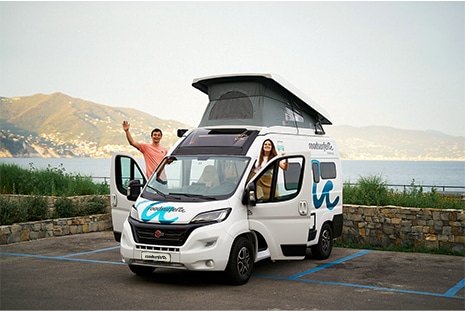
Renting a campervan removes most of the packing puzzle, because your shelter, bed and kitchen travel with you. That changes your packing list more than almost any other decision, so it helps to know what is usually included and what you’ll still need to bring.
Your campervan will typically come with a bed or convertible bed, a built-in kitchenette with a fridge, hob and sink, a fresh water tank, and a power system for lights and charging. Larger models may also include a bathroom and additional storage.

Bedding kits and kitchen kits (pots, pans, plates and cutlery) are often available as extras rather than included by default. Gas or cooking fuel may also be handled separately. This varies by rental company and vehicle, so check your rental’s included-equipment list before buying or packing anything.
Food and a water plan, personal clothing and toiletries, a first-aid kit, camping chairs and any outdoor gear you’ll need for your activities. If you don’t book a bedding kit, bring your own sheets, pillow and a warm layer for colder nights.
Smaller campervans are generally easier to drive and park, making them a good choice for couples or solo travellers. Larger campervans offer more space, storage and facilities, which can make them a better option for families or longer trips. The right choice depends on how many people are travelling, how much space you need and where you plan to go. Our campervan comparison breaks down the different options in more detail.
A few minutes of prep at home can prevent the most common day-one headaches. Run through this list before you set off:
roadsurfer tip: Renting a campervan? Check whether bedding and kitchen kits are included in your booking before you go shopping — they’re often available as add-ons rather than included as standard.
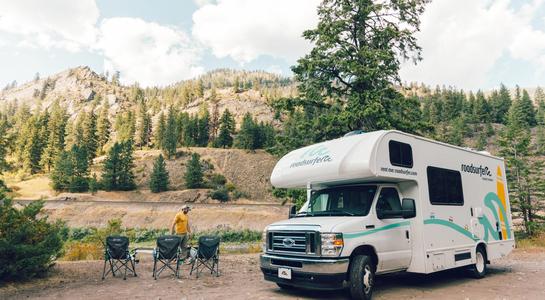
Most rough first trips come down to a handful of avoidable mistakes. These are the ones that catch beginners most often:

Once you’ve covered shelter, sleep, water, food and safety, your camping checklist is complete: you’ve packed everything you truly need for a good trip. Everything after that is about comfort, and how much you bring is up to you and the space you have. If you rent a campervan, much of the setup already travels with you, so you can spend less time packing and more time enjoying the trip itself.
The most important things to bring camping are shelter, a sleeping bag and sleeping mat, water, food and a camping stove, plus a basic first-aid kit. These core items cover safety and comfort for almost any camping trip. Sun protection, a headtorch and a lighter round out the true essentials, while everything else is optional for extra comfort.
Plan for around 8 litres of water per person per day when camping. This gives you enough for drinking and basic sanitation, with extra for cooking and cleaning up. If your campsite has no water source, carry enough with you or bring a suitable filter or purification tablets and confirm there is water available to treat.
First-time campers most often forget bin bags, a backup light source and warm layers for nighttime. Bin bags are easy to leave behind but essential, as you should take everything you bring with you back home. A second light and an extra warm layer both matter more than beginners expect once the sun goes down.
For a campervan, you mainly need bedding, food, water and personal gear, since the shelter and kitchen are built in. Bedding and kitchen kits are often optional add-ons rather than included, so check your rental’s equipment list first. You can then skip the tent and most camping equipment and pack only what you need.
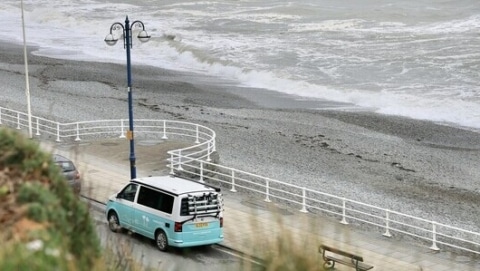
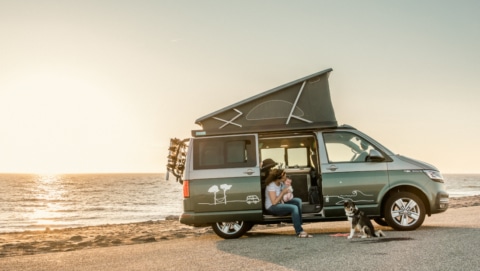
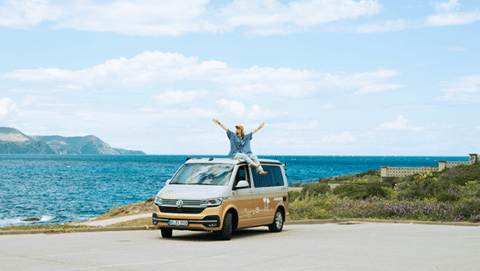
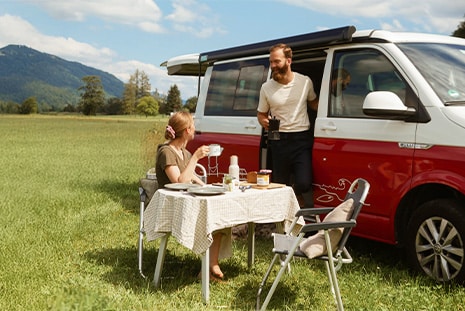
Hit the road with one of the largest campervan fleets in the world. Whether you’re after a campervan or motorhome, your perfect ride is waiting at a roadsurfer station near you – ready for your first night under the stars.
Book Your CampervanTravel smarter with roadsurfer.
Trusted by thousands of travelers worldwide.
✓ Backed by 20,000+ Google reviews
✓ Built for families, couples & adventurers
✓ Inspiration & exclusive deals for subscribers