Choose Your RV


Meili Wyss • Last updated: December 5, 2025 • 6 min read
RV parks are one of the simplest and most predictable places to stay during an RV trip, offering designated parking, basic utilities, and a familiar setup no matter where you travel. If you’re getting started with RV travel, this guide breaks down what RV parks actually are, how much they tend to cost, and how travelers usually find them — with more resources available in our RV travel guides to help you plan confidently from your very first trip.
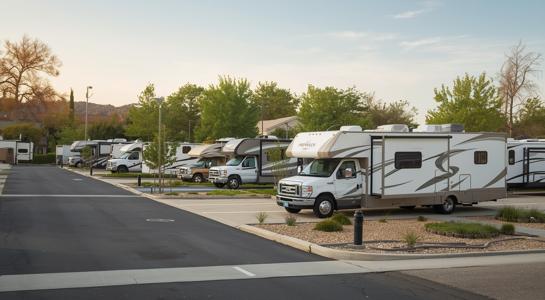
RV parks are designated areas built for RV travelers, offering level parking spots and the essential hookups needed for overnight stays. They’re laid out around vehicle access, making it easy to park, connect to power or water, and get settled quickly.
Most RV parks provide basics like electricity, water access, and dump stations, with many also offering extras such as Wi-Fi, showers, or laundry rooms. Because they’re designed specifically for RVs, these parks feel more structured and predictable than general campgrounds. If you’re still choosing the right RV type for your trip, our RV classes explained guide breaks down the differences so you know what to expect before booking.

Not every RV park feels the same. Knowing the main types helps you quickly recognize which places match your budget and comfort level.
RV park prices vary widely depending on location, season, and amenities, so it’s more useful to think in ranges than fixed rates. Budget-friendly RV parks in less touristy regions tend to sit at the lower end of the price spectrum, while coastal areas, national park gateways, and resort-style parks charge more. Your total cost also depends on how long you stay, whether you need full hookups, and whether you’re traveling in peak season or not.
| RV Park Type | Typical Nightly Price Range | Notes & Typical Inclusions |
|---|---|---|
| Budget RV Parks / Public Campgrounds | $20–$40 per night | Simple stays with basic facilities; often limited or no hookups; rural or quiet locations. |
| Standard Private RV Parks (Partial or Full Hookups) | $40–$80 per night | Water/electric (sometimes sewer), bathrooms, showers, Wi-Fi; balanced comfort and cost. |
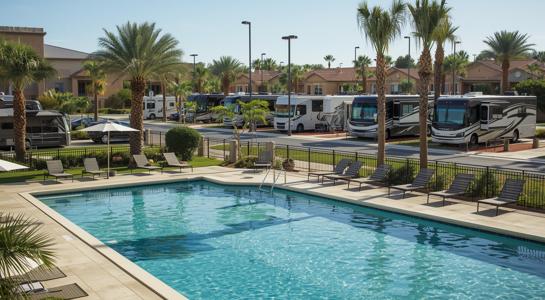
| Premium / Resort-Style RV Parks | $80–$120+ per night | Full hookups, high-demand locations, pools, upgraded amenities; prices vary by season. |
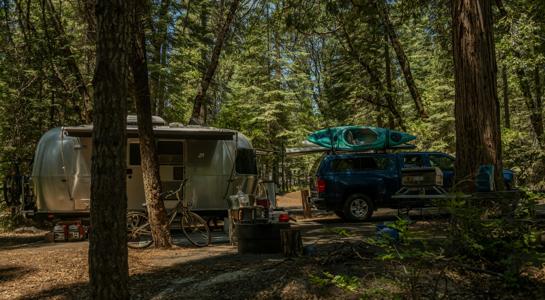
| National & State Park RV Sites | $25–$60 per night | Scenic locations; often no hookups; limited amenities; high demand in peak season. |
Weekly stays are usually 10–25% cheaper than paying the nightly rate, making them a good option if you plan to stay in one place for a bit. Monthly rates vary more widely, but most parks fall between $500 and $1,200+ per month depending on location and amenities. Some parks include utilities in the price, while others meter electricity separately, so always check what’s included before booking.
How to Find RV Parks
You can find RV parks by combining online planning tools with quick on-the-road checks that match your hookup needs, budget, and preferred type of location.
Step 1: Map RV parks along your route
Start by searching for RV-friendly stays along your planned path. Look near major highways, national park entrances, and just outside popular towns where prices tend to be lower.
Step 2: Choose the type of location you want
Decide whether you prefer convenience or quiet. Town-adjacent areas offer quick access to amenities, while spots near state parks or nature preserves tend to be more private and scenic.
Step 3: Check essential hookups and amenities
Make sure the basics are available: electrical hookups, water, a dump station, and a driving distance that fits your day. Then compare extras like Wi-Fi, laundry, shade, and how easy it is to maneuver your RV into the space.
Step 4: Stay flexible on the road
Many parks show availability at the entrance, and smaller local spots may not be listed online. If you know your must-haves, it’s easy to decide quickly whether a place will work as you drive.

RV parks offer a simple, reliable way to plan overnight stays during any RV trip. Once you understand what they provide, how pricing works, and where to find them, it’s much easier to map out a route that fits your travel style. Whether you’re planning short weekend getaways or exploring new regions at a slower pace, knowing how RV parks operate helps you stay flexible, comfortable, and confident on the road.
Many RV parks recommend or require reservations, especially during weekends and peak travel seasons. Walk-in spots may be available at some parks, but they’re not guaranteed, so it’s safer to book ahead if you’re traveling in popular areas or during holidays.
Some RV parks offer weekly or monthly rates, but long-term stays depend on each park’s rules and availability. Many parks cap how long you can stay in one spot, and some only allow extended stays in certain sections, so always check the park’s long-term policy before planning a longer trip.
Most RV parks can accommodate RVs up to about 30–35 feet long. Length limits still vary by park and by individual camping spot, so it’s important to check the maximum vehicle length in the booking details before you reserve, especially if you’re driving a larger RV.
Smaller RVs are usually the best size for national parks because they fit narrow roads and shorter campsites more easily. Compact small RVs like camper vans are often the most practical option, and our small RV rental guide explains what counts as a small RV and when it makes sense for park-heavy trips.
From picking the right RV class to planning routes and camping spots, our RV guides hub pulls everything into one place so you don’t have to piece it together from scratch.


Travel smarter with roadsurfer.
Trusted by thousands of travelers worldwide.
✓ Backed by 15,000+ Google reviews
✓ Built for families, couples & adventurers
✓ Inspiration & exclusive deals for subscribers