Plan & Book
Meili Wyss • Last updated: January 28, 2026 • 6 min read
RV camping sounds simple until you actually try to plan it. Where you are allowed to park, what kind of RV you need, and how much preparation is required all depend on how and where you travel. This guide breaks down what RV camping looks like in real terms, covering where you can go, what rules apply, and what you should think through before your trip. For a broader overview of RV travel basics and planning decisions, the RV guides cover everything from choosing the right RV to understanding how different trips are structured.
RV camping is a way of traveling where your vehicle also functions as your accommodation. Instead of separating transportation and lodging, everything moves together as you travel from place to place.
In practice, RV camping usually involves:
What often surprises first-time travelers is that RV camping is not one fixed experience. The level of structure, comfort, and flexibility depends on where you go, the type of RV you travel in, and how long you stay in each place.
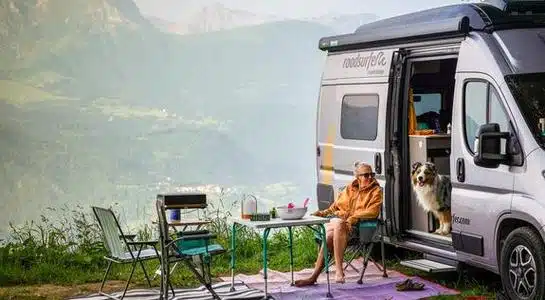
RV camping rewards flexibility, but it also comes with constraints that are easy to underestimate if you are new to it. Many of the challenges people run into are not about driving the RV itself, but about planning and expectations.
Rules for overnight stays vary by state, park system, and region. Some areas are highly structured and reservation-based, while others offer more flexibility but fewer services.
Popular coastal areas, national parks, and state parks often fill up quickly, especially during peak season. Where you can stay may influence your route as much as where you want to go.
Vehicle size influences which roads you can use, where you can park overnight, and what facilities are accessible along the way.
Combining transportation and accommodation shifts expenses rather than eliminating them. Depending on the length of the trip and how you travel, RV camping can be more or less cost-effective than traditional options.
Some RV camping setups offer full hookups and amenities, while others require more self-sufficiency. Knowing your comfort threshold helps avoid frustration later.
Storage limits, daily logistics, and basic supplies all shape how smooth the trip feels. Most first-time issues come from underestimating preparation rather than overplanning. A simple RV camping packing list can help you think through the essentials before you go.
RV camping isn’t limited to one type of trip. In practice, it usually falls into one of two broad styles: staying in one place or moving through multiple locations and sightseeing along the way.
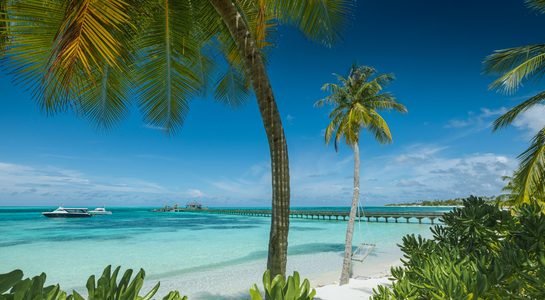
Trips centered around staying in one place.
A typical example of destination-based RV camping is staying in Florida state parks with RV camping, where the camping spot itself is a major part of the trip.
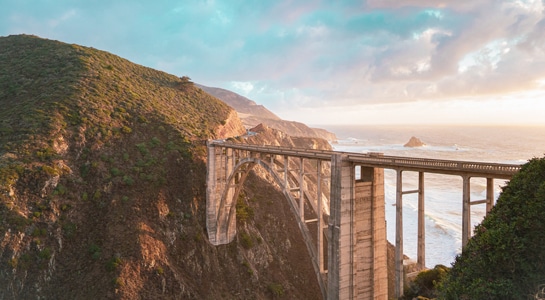
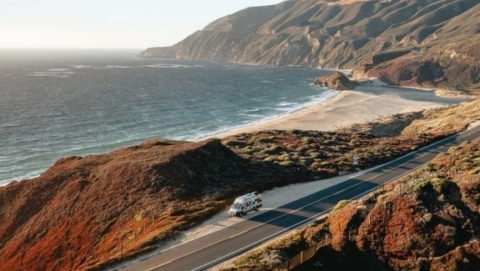
Trips built around movement and sightseeing.
This style is common on multi-stop itineraries like a Pacific Coast RV road trip from Seattle to San Francisco, where the journey and changing scenery matter as much as the individual stops.
RV camping tends to work well for certain travel patterns and fall apart for others. The difference usually comes down to how you handle logistics, downtime, and uncertainty rather than how much you like nature.
If you are deciding whether RV camping fits your travel style, here is the simplest way to tell.
Yes, in many popular areas you do. National parks, state parks, and well-known camping spots often require reservations, especially during peak travel seasons.
Sometimes, but it isn’t guaranteed. RV camping can be cost-effective for longer trips or group travel, but fuel, overnight fees, insurance, and add-ons all factor into the total cost.
Yes, but only in specific places and under specific rules. Free RV camping is usually limited to dispersed camping on public land and is far more common in western states than in the east.
Free camping is uncommon near cities, coastal areas, national parks, and major tourist destinations.
Dry camping means camping without hookups. There is no external water, electricity, or sewer connection, so everything runs off what you bring with you.
No, overnight RV camping is not allowed everywhere. Rules vary by city, state, and park system, and assumptions often lead to fines or forced relocations.
The best RV size depends on where you plan to travel. Smaller RVs offer easier access and fewer restrictions, while larger RVs provide more comfort but limit where you can stay.
Most national parks require reservations and have strict access rules. RV camping inside national parks is more regulated than many first-time travelers expect.
Many travelers choose to camp outside park boundaries and drive in, especially with larger RVs or during peak season.
From picking the right RV class to planning routes and camping spots, our RV guides hub pulls everything into one place so you don’t have to piece it together from scratch.

Travel smarter with roadsurfer.
Trusted by thousands of travelers worldwide.
✓ Backed by 15,000+ Google reviews
✓ Built for families, couples & adventurers
✓ Inspiration & exclusive deals for subscribers