Plan & Book


Meili Wyss • Last updated: February 18, 2026 • 6 min read
A long term RV rental can be a flexible solution for travelers planning 30 days or more on the road, whether for a seasonal relocation, a remote work stretch, or an extended road trip. Compared to short bookings, monthly rentals often reduce the average nightly cost, but the real value depends on timing, mileage, insurance, and where you stay overnight. If you’re still exploring broader planning questions, our RV guides hub breaks down everything from rental costs to vehicle types to help you build the right strategy before committing to a long term RV rental.
A long term RV rental typically starts at 30 days and can extend for several months. After that first month, pricing often shifts to monthly rates, lowering the average nightly cost.
Travelers book extended rentals for seasonal moves, remote work, or multi-state trips where flying makes less sense. Longer timelines also change mileage limits, insurance coverage, and cancellation terms compared to short weekend stays.

A long term RV rental typically lowers the average nightly rate once you pass 30 days, but your total monthly RV rental cost depends on vehicle type, season, mileage, and insurance coverage. If you plan to rent an RV for 3 months, pricing usually shifts into a monthly structure rather than standard short-term rates, which can significantly reduce the nightly average.
Vehicle class plays a major role in pricing. Smaller Class B RVs generally cost less per month than larger motorhomes, while Class A models carry higher seasonal volatility. If you are still comparing layouts and space differences, our Class B vs Class C RV guide breaks down size, flexibility, and travel considerations.
| RV Type | Average Nightly Rate (30+ Days) | Estimated Monthly Range | Best For |
|---|---|---|---|
| Class B RV (Camper Van) | $90–$170 | $2,700–$5,100 | Couples, solo travelers, remote workers |
| Class C RV (Mid-Size) | $110–$200 | $3,300–$6,000 | Families and longer road trips |
| Class A RV (Large Motorhome) | $180–$350+ | $5,400–$10,500+ | Maximum space and extended stays |
In many cases, a long term RV rental can cost less than staying in hotels for the same period, especially for trips lasting one to three months. The savings become more noticeable when you factor in kitchen access, reduced restaurant spending, and flexible overnight options.
Here’s how the comparison typically looks over a three-month period:
Staying in hotels for three months typically ranges from $10,800 to $22,500 at $120–$250 per night. Costs can climb quickly in high-demand cities or peak travel seasons.
Short-term furnished rentals often range from $3,000 to $6,000 per month in popular areas, sometimes requiring deposits or added utility fees.
A long term RV rental commonly ranges from $2,700 to $6,000 per month depending on vehicle class and season, with lower nightly averages after 30 days.
Where you stay during a long term RV rental directly affects your total monthly RV rental cost, flexibility, and overall experience. Most extended RV rentals combine one primary monthly base with shorter scenic stops.
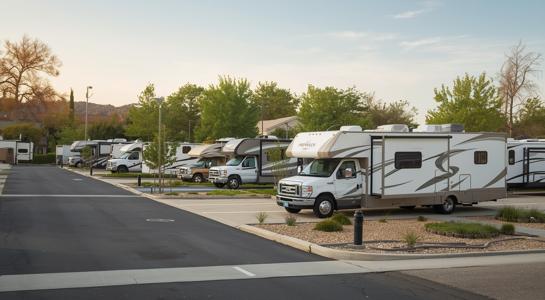
Monthly Rates
The most common setup for a monthly RV rental. Private parks offer full hookups (electric, water, sewer) and predictable pricing structures, making them ideal for 1–6 month stays. Monthly RV park rates vary by region and

Premium Amenities
A more amenities-focused version of RV parks, often located in warm-weather states popular for seasonal relocation. Higher monthly cost, but more features and long-term infrastructure
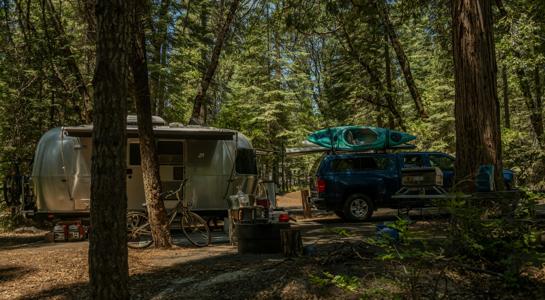
State & National Parks
Scenic and often lower nightly rates, but most enforce 7–14 day stay limits. These are better suited for rotating stops during an extended RV rental rather than full three-month stays.

Independent & Rural Stays
Individually hosted or privately owned land stays offering flexibility and unique settings. Availability and hookups vary widely, and most are structured for shorter visits rather than long-term parking.
A long term RV rental makes the most sense for travelers who value mobility and flexibility over staying rooted in one place. The longer your timeline and the more destinations you plan to visit, the more the structure starts to work in your favor.
For travelers planning to live on the road for a year or more, buying an RV may become financially competitive compared to renting long term. The break-even point depends on how often you travel, how long you plan to keep the vehicle, and whether you’re comfortable with maintenance and depreciation.
Ownership may reduce long-term cost if usage is consistent.
Buying can make sense if you repeat the same pattern every year.
Ownership allows upgrades and long-term setup changes.
Having a place to store the RV when not in use is important.
A long term RV rental makes the most sense when flexibility and movement are part of your plan. If you’re staying mobile across states or seasons, monthly pricing can work in your favor. If you’re staying rooted in one place, traditional housing may be simpler and more predictable.
A 3-month RV rental typically costs between $9,000 and $24,000 in the U.S. Monthly RV rental rates often range from $3,000 to $8,000 depending on vehicle class, season, and location. Mileage fees, insurance packages, fuel, and overnight stays can significantly increase the final total.
In many cases, a long term RV rental can cost less than hotel stays. Hotels charging $120–$250 per night can exceed $10,000 over three months. RV rentals may reduce lodging costs while adding mobility, though fuel, mileage, and camping spot fees should be included in the comparison.
Yes, most RV providers allow month-to-month rentals of 30 days or longer. Many companies apply discounted monthly pricing once a booking exceeds 30 days. Minimum rental terms and availability vary by season, vehicle type, and location.
Not always — mileage policies vary by provider. Some rentals include a daily or trip-based mileage allowance, while others charge $0.35–$0.50 per mile beyond the limit. Unlimited mileage may be available for an additional fee.
Yes, many travelers live full-time in rental RVs for several months. Extended stays are common among remote workers and seasonal travelers. Success depends on campground availability, park stay limits, and personal comfort with managing utilities and maintenance.
From picking the right RV class to planning routes and camping spots, our RV guides hub pulls everything into one place so you don’t have to piece it together from scratch.




Travel smarter with roadsurfer.
Trusted by thousands of travelers worldwide.
✓ Backed by 15,000+ Google reviews
✓ Built for families, couples & adventurers
✓ Inspiration & exclusive deals for subscribers