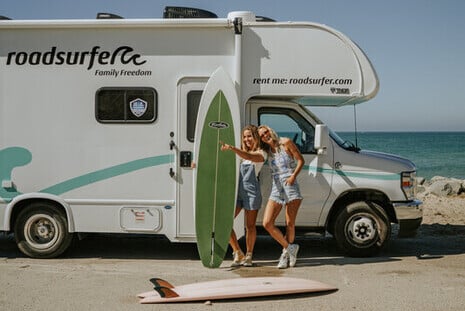
Top 8 Iconic Surf Beaches in California

Discover the Best Surfing in California—From Beginner Beaches to Big-Wave Giants

California’s 800-mile coastline delivers waves for every kind of surfer, from mellow longboard rides to some of the heaviest breaks on the planet. This guide highlights the state’s most iconic surf spots, grouped by style—whether you’re chasing performance walls at Trestles, cruising the classic lines of Malibu, exploring remote Big Sur, or testing your limits at Mavericks. For the ultimate flexibility, start your trip with a California RV rental—pack your boards, hit the road, and surf wherever the swell takes you. Here are the top surf spots that make California one of the world’s most legendary surf destinations.

Performance Waves

When people talk about the best surfing in California, they usually mean the high-performance breaks that shaped surf culture. Spots like Huntington Beach and Trestles are known for consistent swells, fast walls, and lineups that attract both pros and everyday surfers. These are the beaches where contests happen and where the state’s reputation for world-class surf really comes to life.


Southern California

Huntington Beach Pier

The most reliable all-level surf break in Southern California

Huntington Beach is not only one of the best beaches around Los Angeles, but also a top world surf spot. With consistent waves and a lively surf culture that runs from dawn patrol to evening sessions, it’s where California surf history and everyday beach life meet.
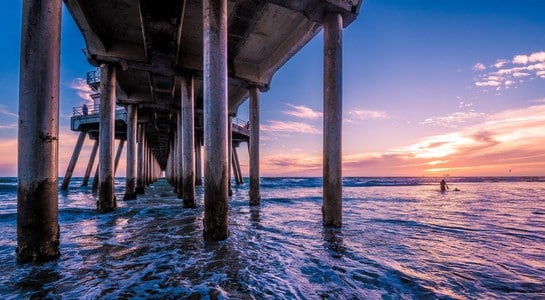
Huntington Beach Pier at sunset with surfers in the lineup, one of the best surfing spots in California
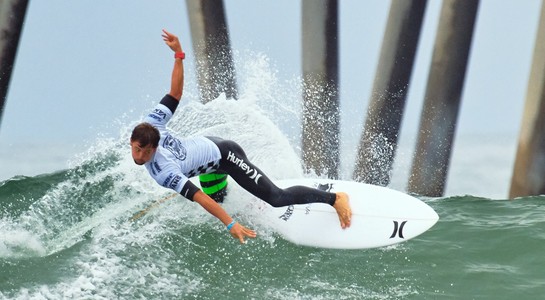
Surfer carving a wave during a Huntington Beach contest heat

Wave Details

  • Wave type: Long sandy beach break with multiple peaks north and south of the pier.
  • Wave character: Mellow, playful walls in summer; punchier, more powerful surf with fall and winter swells.
  • Best conditions: Often cleanest in the morning with light winds; summer south swells and fall combo swells bring the most reliable surf.
  • Skill level: Suitable for all levels, but the pier zone gets competitive and is best for intermediate to advanced surfers.
  • Hazards: Rip currents can form near the pier and jetties; heavy crowds during contests; pier pilings can be dangerous in larger surf.

Surf Scene & Access

  • Crowds & vibe: Busy lineup, especially at the pier; mix of locals, visitors, and surf schools.
  • Access & parking: Large beachfront lots and metered street parking; RV parking available nearby.
  • Town & culture: Host of the U.S. Open of Surfing, deep surf heritage, and the International Surfing Museum.
  • Amenities: Board rentals, lessons, surf shops, and plenty of restaurants and beach-town conveniences.

Southern California

Trestles

A world-class performance wave for confident intermediate and advanced surfers

Trestles is Southern California’s high-performance playground. With long, peeling rights and lefts, it’s a proving ground for pros and a must-surf for anyone chasing the best waves in California.
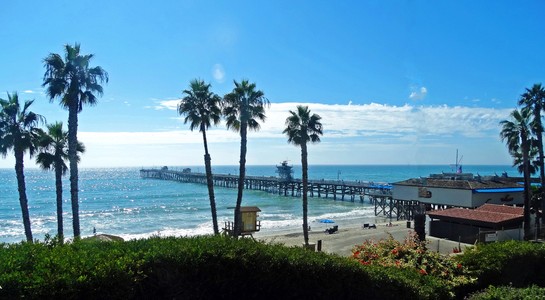
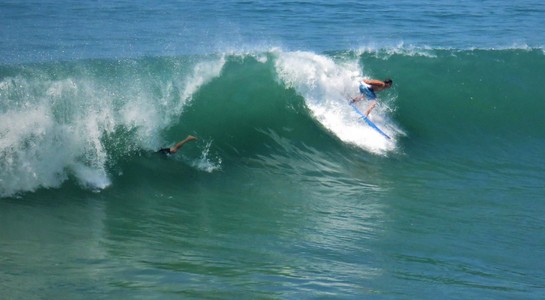
View of Trestles surf break in San Clemente with the pier and palm trees, one of the best surfing spots in California
Surfer carving across a strong wave at Trestles in San Clemente

Wave Details

  • Wave type: Cobblestone reef/point break with multiple peaks (Lowers, Middles, Uppers).
  • Wave character: Long, smooth walls with both rights and lefts, ideal for turns and maneuvers.
  • Best conditions: Often best on south swells in summer and early fall; cleanest when morning winds are light or offshore.
  • Skill level: Best suited for intermediate and advanced surfers; not ideal for beginners due to crowds and bottom conditions.
  • Hazards: Strong rips can form at low tide; cobblestones and reef are exposed in shallow water; heavy crowds increase risk of collisions.

Surf Scene & Access

  • Crowds & vibe: Very busy during good swells; expect a mix of locals, traveling surfers, and sometimes pros training or filming.
  • Access & parking: No direct drive-up; expect a 10–20 minute walk or bike ride from parking lots at San Onofre State Beach.
  • Town & culture: San Clemente has a strong surf identity, board-building heritage, and plenty of spots to eat and hang out post-session.
  • Amenities: No rentals or services at the beach itself, but San Clemente has surf shops, lessons, and gear just a short drive away.


Cruisy Classics

Some of the best surfing in California isn’t about heavy barrels or pro-level contests—it’s about long, rolling waves that are pure fun to ride. These are the beaches where you’ll see longboards lined up, surf schools in the water, and mellow rides that can stretch for hundreds of feet. Perfect for beginners and anyone who wants a laid-back session, California’s cruisy classics deliver the state’s most approachable surf.


Southern California

Malibu Surfrider Beach

The go-to surf spot for classic California longboarding

Malibu’s Surfrider Beach is one of the most famous surf spots in the world, known for its long, peeling right-hand point break. It played a central role in shaping California’s surf culture and is best suited to surfers looking for smooth, cruisy rides rather than steep, high-performance waves.
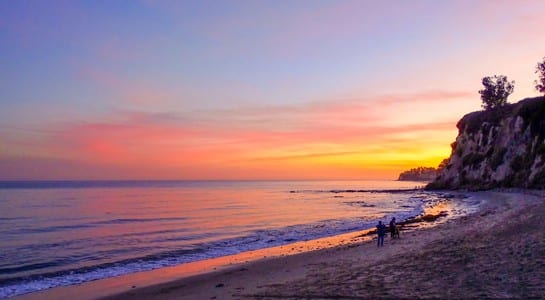
Sunset view of Surfrider Beach in Malibu with cliffs and rolling waves, one of the best surfing spots in California
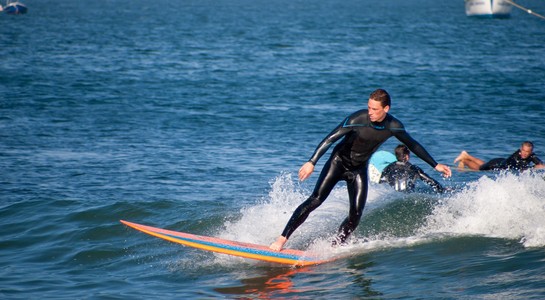
Longboard surfer riding a mellow wave at Surfrider Beach in Malibu

Wave Details

  • Wave type: Right-hand point break with three takeoff zones (First, Second, Third Point).
  • Wave character: Mellow, long peeling walls ideal for longboards; smooth rides when conditions are favorable.
  • Best conditions: South swells in summer and early fall often give clean surf; mornings tend to be calmer and cleaner.
  • Skill level: Beginner-friendly in smaller surf; intermediate and longboarders especially benefit; crowded and more challenging during larger swell days.
  • Hazards: Rocky or cobblestone bottom in shallower zones (more evident at low tide); lineup can get very crowded; runoff/pollution after heavy rains; waves closer to pier may require more caution.

Surf Scene & Access

  • Crowds & vibe: Very busy, especially in summer; a mix of longboarders, locals, and visiting surfers.
  • Access & parking: Paid lots near the beach and limited street parking; arrive early to secure a spot.
  • Town & culture: Iconic surf history with a lively scene on Pacific Coast Highway; Malibu is packed with restaurants, shops, and surf lore.
  • Amenities: No rentals on the sand, but nearby surf shops offer boards, lessons, and gear.

Northern California

Bolinas Beach

The most relaxed surf experience on the Northern California coast

Bolinas offers mellow beach and jetty breaks near the lagoon, making it especially appealing to longboarders and surfers who prefer a slower, more approachable wave. While conditions depend on tide and sandbars, the easygoing pace and lack of intensity set Bolinas apart from more aggressive Northern California surf spots.

Bolinas coastline at sunset with wildflowers in the foreground, a laid-back spot known for some of the best surfing in California for beginners
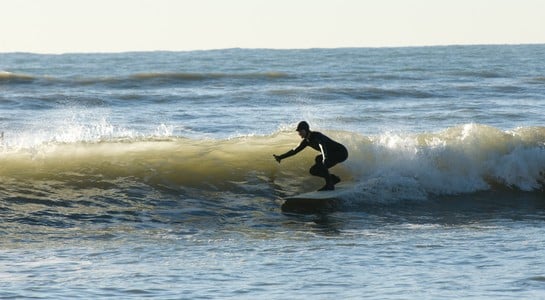
Surfer balancing on a small wave at Bolinas on California’s coast

Wave Details

  • Wave type: Beach break with soft, rolling waves.
  • Wave character: Gentle takeoffs and short rides, ideal for learning and practicing basics.
  • Best conditions: Works on small to medium west and northwest swells; usually best on incoming tide.
  • Skill level: Very beginner-friendly; also popular with longboarders.
  • Hazards: Occasional rip currents, foggy conditions, and potential shark sightings typical of NorCal.

Surf Scene & Access

  • Crowds & vibe: Mellow and welcoming; mostly beginners, surf schools, and locals.
  • Access & parking: Street parking near town; small lots fill quickly on weekends.
  • Town & culture: Quiet coastal village with a relaxed, artsy feel; far less commercial than SoCal surf towns.
  • Amenities: Limited services; small cafes and a few surf rentals in town.


Wild & Remote Sessions

Some of the best surfing in California isn’t just about wave quality—it’s about where the waves break. Along the Central Coast, dramatic cliffs, redwood backdrops, and open stretches of sand create surf spots that feel untouched compared to the busy lineups of Southern California. These beaches don’t always deliver the most consistent surf, but when conditions line up, you’ll score long rides in settings that are as unforgettable as the waves themselves.


Central California

Sand Dollar Beach

The best Big Sur surf spot if you want sand instead of rocks

Sand Dollar Beach is one of the few wide, sandy beach breaks along the Big Sur coast, making it the most approachable place to surf in an otherwise rocky and exposed region. While wave quality depends on swell and wind, its open beach setup offers more forgiving takeoffs than nearby reef and point breaks, especially compared to other Big Sur spots.
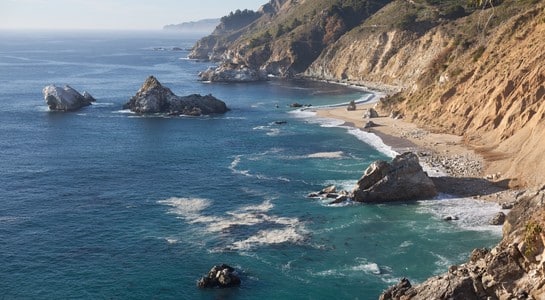
Sand Dollar Beach framed by Big Sur’s rugged cliffs and turquoise coastline, one of the best surfing beaches in California
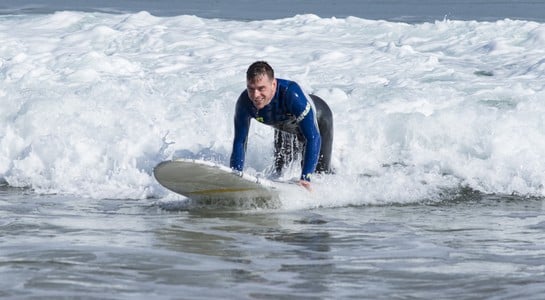
Surfer riding a clean wave at Sand Dollar Beach on California’s Big Su

Wave Details

  • Wave type: Wide sandy beach break with shifting sandbars and multiple peaks.
  • Wave character: Variable—gentle and playful on smaller days, more powerful when west or northwest swells arrive.
  • Best conditions: Often cleanest in the morning; fall and winter swells from the west or northwest bring the most reliable surf.
  • Skill level: Beginner-friendly on small days; intermediates and advanced surfers will find better rides in larger swells.
  • Hazards: Cold water, shifting sandbars, and occasional strong currents; no lifeguards on duty.

Surf Scene & Access

  • Crowds & vibe: Much quieter than Southern California—expect a mellow lineup with locals and adventurous travelers.
  • Access & parking: Paid day-use lot with a short trail and stairway leading down from the bluff to the beach.
  • Town & culture: Remote Big Sur setting with no major services nearby; the natural beauty is the main draw.
  • Amenities: Restrooms and picnic tables at the lot; no surf shops or rentals on site, so bring your own gear.

Central California

Pismo Beach

Easy Central Coast beach break surfing with plenty of space to spread out

Pismo Beach and nearby Oceano offer wide, sandy beach breaks that suit beginners and intermediates looking for forgiving waves and minimal crowd pressure. The open shoreline and mellow conditions make this area ideal for relaxed sessions rather than high-performance surfing.
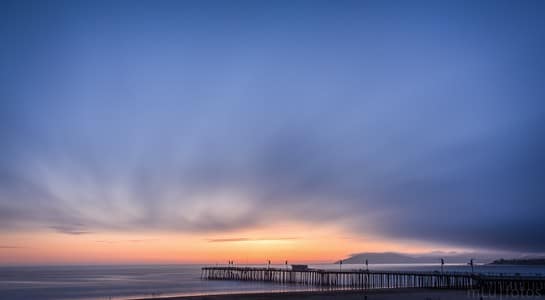
Pismo Beach Pier glowing at sunset on California’s Central Coast, part of the best surfing in California
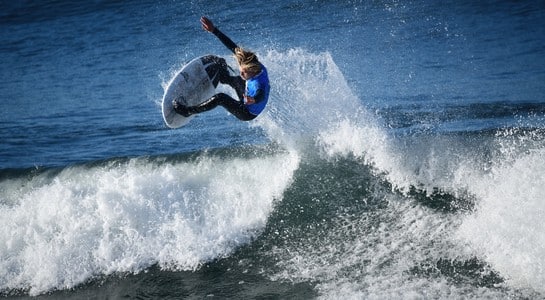
Surfer launching into the air above a wave at Pismo Beach

Wave Details

  • Wave type: Open beach break with a sandy bottom; offers both lefts and rights depending on swell.
  • Wave character: Generally soft and forgiving; can be steeper and more powerful during larger southwest groundswells.
  • Best conditions: Southwest swells with light offshore (east) winds; mornings are often the cleanest.
  • Skill level: Great for beginners and longboarders on small days; intermediates will enjoy more shape during bigger, cleaner swells.
  • Hazards: Rip currents on larger swells; shifting sandbars; chilly water typical of the Central Coast.

Surf Scene & Access

  • Crowds & vibe: Mellow compared to Southern California; busier on weekends and holidays.
  • Access & parking: Multiple entrances and parking lots along the beach; arrive early for the best spots.
  • Town & culture: Classic Central Coast beach-town feel with a pier, local eateries, and laid-back community vibe.
  • Amenities: Board rentals, surf schools, and shops available near the pier and in town; RV-friendly parking nearby.


Challenging Giants

Some of the best surfing in California isn’t just about wave quality—it’s about where the waves break. Along the Central Coast, dramatic cliffs, redwood backdrops, and open stretches of sand create surf spots that feel untouched compared to the busy lineups of Southern California. These beaches don’t always deliver the most consistent surf, but when conditions line up, you’ll score long rides in settings that are as unforgettable as the waves themselves.


Northern California

Mavericks

Only for elite big-wave surfers trained for extreme winter swells

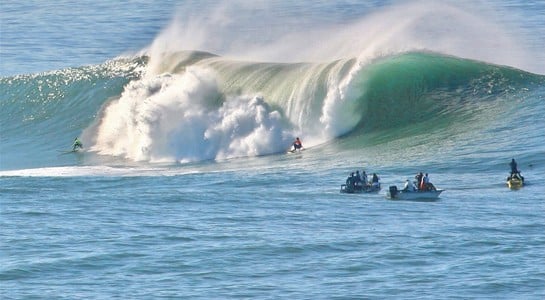
Mavericks sits just offshore near Pillar Point in Half Moon Bay and is easily one of the most intimidating surf breaks in the world. When winter swells roll in, waves can tower well over 25 feet, sometimes pushing far beyond that, which is why this spot is strictly for elite surfers with serious experience and safety teams. If you’re coming to watch rather than surf, the cliffs and coastline here are just as impressive. You can stay close to the action at Francis Beach Campground, which puts you right along the coast and within easy reach of Half Moon Bay.
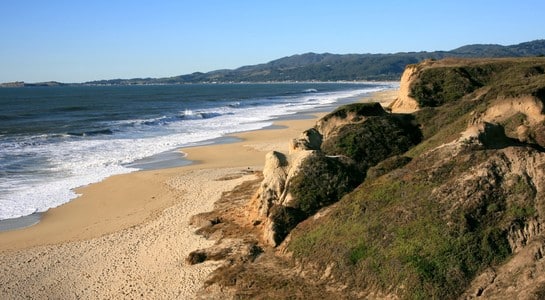
Dramatic coastal cliffs and sandy beach near Mavericks in Half Moon Bay
Surfers riding towering waves at Mavericks in Half Moon Bay, known worldwide for the best big-wave surfing in California

Wave Details

  • Wave type: Deep-water reef break that produces huge, powerful right-handers with occasional lefts.
  • Wave character: Heavy, fast, and unforgiving; long rides are possible for those who make the drop.
  • Best conditions: November through March, with strong northwest swells and light offshore or calm winds.
  • Skill level: Advanced to professional big-wave surfers only; big-wave boards or tow-in setups often used during extreme swells.
  • Hazards: Extremely powerful surf, shallow reef, frigid water, strong currents, and high risk of wipeouts or long hold-downs.

Surf Scene & Access

  • Crowds & vibe: Lineup limited to big-wave surfers; spectators gather on the cliffs or watch from boats.
  • Access & parking: Parking at Pillar Point Harbor with trails leading to viewing areas; surfers may paddle out from shore or launch by boat/jet ski depending on conditions.
  • Town & culture: Half Moon Bay celebrates its Mavericks heritage with surf shops and a strong big-wave community.
  • Amenities: No rentals or lessons at the break itself; preparation and personal equipment are essential.

Northern California

Ocean Beach

A challenging Ocean Beach beach break for experienced surfers ready for strong currents

Ocean Beach in San Francisco is a long, sandy beach break exposed to powerful Pacific swells, strong currents, and shifting sandbars. Its cold water and dynamic conditions make paddling out and positioning difficult, so this spot is best suited to surfers with solid experience who are prepared for demanding ocean conditions.
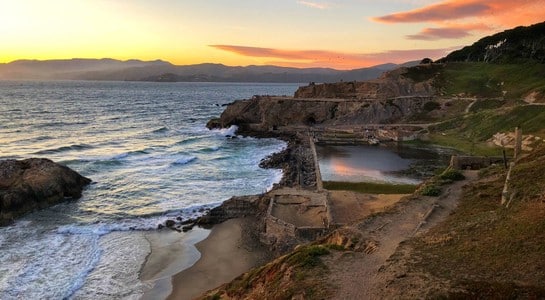
Sutro Baths ruins at sunset overlooking Ocean Beach San Francisco, one of the best surfing spots in California
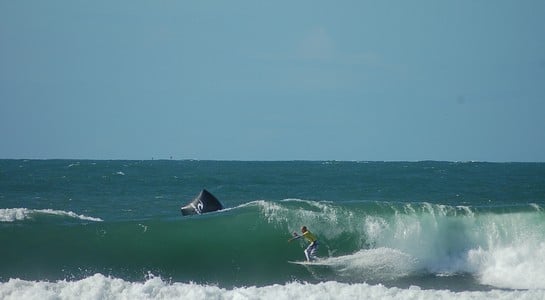
Surfer dropping into a heavy wave at Ocean Beach San Francisco

Wave Details

  • Wave type: Long stretch of open beach break with multiple shifting peaks.
  • Wave character: Fast, heavy, and hollow on bigger swells; variable and shorter rides when conditions are less ideal.
  • Best conditions: Fall and winter bring the most consistent west and northwest swells; cleaner if winds are favorable, often in the mornings.
  • Skill level: Intermediate surfers may enjoy smaller, calmer days; advanced surfers only when the waves are overhead or bigger.
  • Hazards: Strong rip currents, powerful hold-downs, cold water year-round, heavy fog, and frequent closeouts during large swells.

Surf Scene & Access

  • Crowds & vibe: Spread out across the beach’s many peaks; competitive and intense at the best takeoff zones.
  • Access & parking: Street parking and beach access along the Great Highway; lots can fill quickly on weekends and during good swells.
  • Town & culture: Gritty, core surf scene that reflects San Francisco’s rugged conditions; no frills, just heavy surf.
  • Amenities: No rentals or lessons directly on the beach; surf shops and schools operate elsewhere in the city.


What to Know Before You Surf in California

Surfing has been central to California’s identity for decades. Malibu helped shape longboard culture, Huntington Beach became “Surf City USA,” and Santa Cruz and Mavericks proved the state’s range from playful points to world-famous big waves. California blends history, lifestyle, and diverse breaks in a way few places can match.

Regional Surf Personalities

Southern California offers warm water, sandy beaches, and busy lineups. Central California has fewer crowds and dramatic scenery but colder water. Northern California is colder and more rugged, best for experienced surfers tackling powerful breaks.

Wetsuits and Water Temps

California’s water runs cooler than many expect. In Southern California, summer temps can reach the high 60s °F, but most of the year calls for a 3/2 mm wetsuit. Central and Northern California stay in the 50s °F, where a 4/3 mm suit—and booties in winter—are standard.

Swell Windows

Summer south swells fuel SoCal’s famous breaks like Malibu and Trestles. Fall and winter bring west and north swells to Central and Northern California, powering spots such as Santa Cruz, Ocean Beach, and Mavericks. Spring is less reliable but often less crowded.

Crowds and Etiquette

Famous breaks like Huntington, Malibu, and Steamer Lane draw big lineups year-round. Respect the rules: wait your turn, don’t drop in, and be courteous to locals. At beginner beaches, expect surf schools and a more relaxed vibe in the water.


FAQ: Best Surfing in California

Choosing the right surf spot in California depends on your skill level, crowd tolerance, and wave preference.

  • Beginners generally do best at wide, sandy beach breaks.
  • Experienced surfers can handle powerful waves, strong currents, and shifting conditions.
  • Some spots prioritize performance, while others prioritize space and ease.

No, many California surf spots are unsafe for beginners.

  • Powerful breaks, strong currents, and cold water increase risk.
  • Beginner-friendly waves are typically smaller, slower, and sand-bottomed.

Surfing conditions in California change significantly by season.

  • Winter brings stronger swells, especially in Northern and Central California.
  • Summer conditions in Southern California are often easier for beginners.

Surf crowds concentrate at spots that combine wave quality, access, and consistency.

  • Iconic or easily accessible breaks attract more surfers.
  • Remote or demanding spots tend to self-limit crowds.

Most California surf spots require a wetsuit for much of the year.
  • Northern and Central California stay cold year-round.
  • Southern California is warmer but still often requires a wetsuit.

More Tips & Inspiration for Your California Road Trip


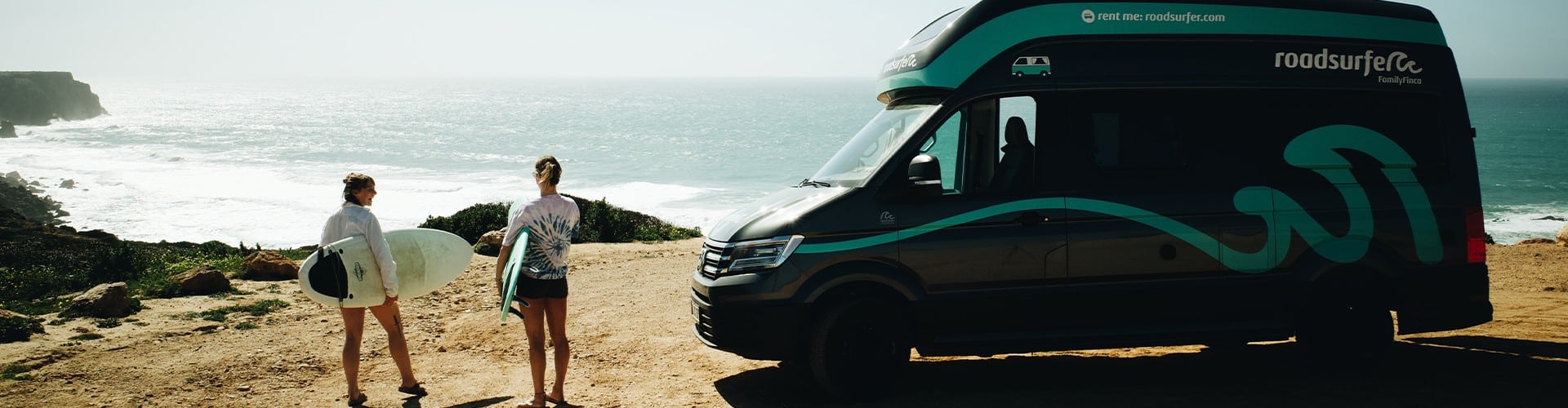
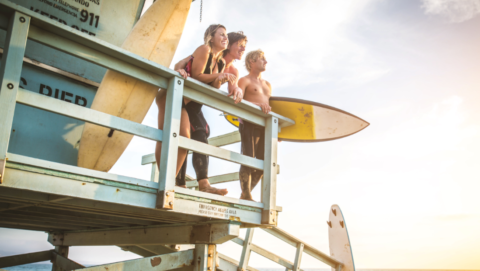
Two women stand with surboards

Your RV, Your Waves, Your Adventure

Ready to Surf the California Dream?

Chase the best surf beaches in California at your own pace. With a fully equipped RV rental from roadsurfer, you’re free to discover iconic breaks, hidden gems, and sun-soaked coastlines—wherever the swell takes you. Just grab your boards, pick your route, and we’ll handle the rest.

Book your trip from California