Top 10 Iconic Things to Do in Los Angeles

Experience LA’s Must-See Sights, Flavors, and Hidden Gems

Los Angeles stands out for one reason: range. It’s one of the few cities where you can surf in the morning, hike above the skyline, explore world-class museums, and eat across multiple global cuisines—all in the same day. That range is especially visible along the coast, where beach culture blends directly into the city, with spots that feel as essential to LA as its neighborhoods and museums, many of which are covered in our guide to LA’s best beaches. Rather than revolving around a single center, LA unfolds through distinct neighborhoods, each with its own culture, food, and creative energy.


Historic Landmarks & Iconic LA Attractions

You’ll find LA’s most iconic historic landmarks in places like Olvera Street, the Hollywood Walk of Fame, TCL Chinese Theatre, and Griffith Observatory. Many of these sites were never designed as tourist attractions—they began as civic spaces, cultural institutions, or working venues that later became global symbols, a history reflected in city preservation records maintained by the City of Los Angeles Office of Historic Resources. Together, they connect the city’s Spanish roots, Hollywood legacy, and evolving creative culture, showing how LA’s history lives on through architecture, music, and everyday public life.


What is the oldest historic area in Los Angeles?

Olvera Street

Olvera Street marks where Los Angeles began—and that history is still visible today. Colorful papel picado, mariachi music, and family-run food stalls give the street its energy, while local vendors keep long-standing traditions active. More than a tourist attraction, Olvera Street remains a living center of Latino culture and community. It’s one of the most unique things to do in Los Angeles if you want to experience the city’s roots as part of everyday life, not sealed behind museum walls.
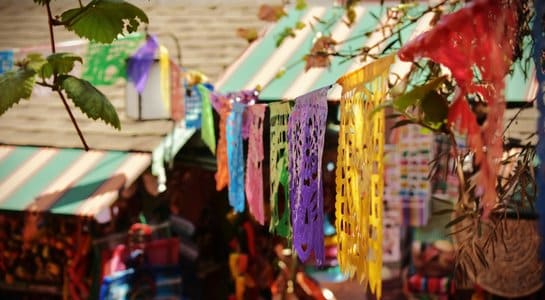
Historic Olvera Street marketplace in downtown Los Angeles, featuring Mexican culture and must-see things to do in Los Angeles.

Why We Love It

  • LA’s birthplace: Olvera Street marks where Los Angeles began in 1781, and you can still sense those early days in every adobe wall and brick plaza. It’s history woven right into the city’s downtown energy.
  • Vibrant Mexican culture: The street is a year-round fiesta of mariachi, artisan stalls, and the scent of tamales and churros. Every visit is an open invitation to celebrate and taste tradition.
  • Atmosphere you can’t fake: With papel picado overhead and music in the air, Olvera Street always feels like a local discovery—lively, textured, and unmistakably real.
  • Living history: You’ll find the oldest house in LA here, along with vendors whose families have been around for generations. Cultural performances connect the city’s past with its present, making history feel close and personal.

Visitor Insights

  • Best time to visit: Major festivals like Día de Los Muertos (late Oct/early Nov), Las Posadas (mid-December), and Mexican Independence Day (September 16) fill Olvera Street with altars, music, and vibrant community processions. These are authentic, city-sponsored events held every year, and everyone’s welcome.
  • Quiet mornings: Shops and museums usually open at 10am, but if you arrive before noon on a weekday, you’ll find the street and plaza uncrowded—perfect for relaxed wandering and photos without the rush.
  • Free attractions: The Avila Adobe (LA’s oldest house, open most days 9am–4pm), Sepulveda House, and the Italian Hall Museum (free with a suggested donation) are all part of El Pueblo Historical Monument. Admission is free, but check the city website for holiday closures.

  • Location: Olvera Street sits in downtown LA, just steps from Union Station—right in the city’s historic heart.
  • Parking: You’ll find several paid lots nearby, but hopping on the Metro Red, Purple, or Gold Line is often the quickest way in.
  • Accessibility: The street is pedestrian-only and mostly flat, making it easy for wheelchairs and strollers, though watch for a few uneven bricks here and there.
  • Hours & fees: Open every day with free admission; most shops and museums start welcoming visitors around 10am.

What are the must-see sites on Hollywood Boulevard?

Hollywood Walk of Fame & TCL Chinese Theatre

The Hollywood Walk of Fame and TCL Chinese Theatre put Hollywood Boulevard’s movie legacy on full display. More than 2,700 brass stars line the sidewalk, while premieres, costumed characters, and steady crowds keep the area buzzing. Celebrity handprints in the theatre courtyard offer a direct link to Hollywood’s past. For movie lovers and pop culture fans, this is one of the most iconic things to do in Los Angeles—and an easy stop for a short stroll or a classic LA photo.
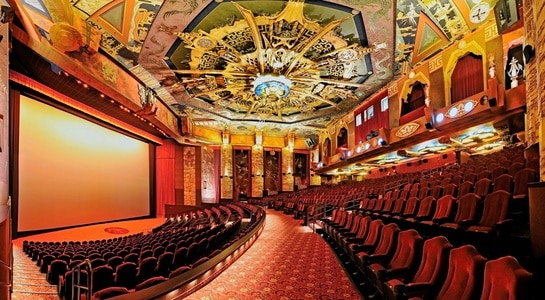
Why We Love It

  • History you can touch: Stand in the same spot where legends like Marilyn Monroe and Bruce Lee pressed their hands into wet cement. The Forecourt of the Stars isn’t just a photo stop—it’s Hollywood’s past, preserved right under your feet.
  • Timeless Hollywood energy: The TCL Chinese Theatre is always buzzing, from star-studded premieres to spontaneous celebrity sightings. Movie magic feels real here, day or night.
  • A world of wonder: Ornate pagoda rooftops, stone lions, and the theatre’s grand entrance set the stage for pure old-school glamour. Even just walking by, you feel transported into a classic film scene.
  • The ultimate movie experience: Catch a screening on the world’s largest IMAX screen—history, spectacle, and state-of-the-art sound all in one unforgettable night out.

Visitor Insights

  • Best timing: Mornings before 11am (especially Tues–Thurs) see the lowest foot traffic for easy photos and handprint viewing. Nighttime brings neon lights but also heavier crowds.
  • VIP access: TCL Chinese Theatre’s official VIP Tour is 30 minutes, offered daily (subject to event closures), with tickets sold on-site or online. The tour includes the auditorium and stories about the theatre’s history and premieres.
  • Premiere events: Red carpet movie premieres are frequent (2–4 per month). Upcoming premiere dates are announced in advance on the TCL Chinese Theatre page and social media. Fans can watch arrivals from the public sidewalk—no ticket required, but early arrival (1–2 hours before posted event time) is essential for a spot by the barricades.

  • Location: Hollywood Boulevard, right between La Brea and Vine. The Metro Red Line drops you at Hollywood/Highland—step outside and you’re in the action.
  • Parking: The easiest option is a garage at Ovation Hollywood mall or one of the nearby lots. Street parking is rare and fills up fast.
  • Accessibility: The sidewalks are fully public, with curb cuts for wheelchairs and strollers, but expect crowds midday.
  • Fees: Wandering the Walk of Fame is free; VIP tours or a movie at the Chinese Theatre require a ticket.

Where can you get the best city views in Los Angeles?

Griffith Observatory

Griffith Observatory offers some of the best city views and stargazing in Los Angeles. Set high above the skyline, it’s one of the best free things to do in LA and a dependable sunset stop for panoramic views and open skies. Inside, hands-on exhibits and public telescopes—including the historic Zeiss refractor—add depth beyond the scenery. Located within Griffith Park, it’s part of a larger network of trails and viewpoints that shape many of LA’s best outdoor experiences, including those featured in our nature-focused things to do in Los Angeles.

Griffith Observatory with panoramic city views, one of the most iconic and free things to do in Los Angeles.

Why We Love It

  • Unrivaled LA views: The only place in the city where you can see downtown, mountains, and the Pacific all at once—plus the Hollywood Sign glowing in the distance.
  • A gateway to the stars: Peer through the Observatory’s public telescopes and suddenly the moon, planets, and galaxies feel close enough to touch—no ticket needed, just a sense of wonder.
  • Iconic California vibes: From hillside hikes to outdoor movie nights, the atmosphere is pure California—open, creative, and full of possibility.
  • Science meets wonder: Hands-on exhibits, art deco charm, and that shared “wow” when the sunset hits—every visit leaves you a little more curious about the universe.

Visitor Insights

  • Best timing: Visit on a clear afternoon to catch the full show—city views by day, golden hour, sunset, and sparkling city lights. Public telescope viewing is free most clear evenings, Tuesday through Sunday, starting at dusk—just check the observatory’s website for updates.
  • Getting there: The DASH Observatory Shuttle runs every 15–20 minutes from the Vermont/Sunset Metro stop and is the easiest way up. Parking at the observatory is $10 an hour and fills quickly. Prefer to hike? Well-marked trails from Fern Dell or the Greek Theatre are open sunrise to sunset.
  • Don’t miss: Samuel Oschin Planetarium shows are a highlight—tickets are only sold on-site and go fast, so plan ahead. Free public telescopes, staffed by passionate volunteers, are always worth a look when the skies are clear.

  • Location: Set in Griffith Park, the Observatory is easy to reach by car or via the DASH Observatory Shuttle from the Vermont/Sunset Metro stop.
  • Parking: Paid lots are available near the top, but they fill quickly—expect around $10 per hour. The shuttle is an affordable and stress-free alternative at just 50 cents a ride.
  • Accessibility: Fully ADA accessible with ramps, elevators, and accessible restrooms throughout the building.
  • Hours: Observatory grounds open daily from sunrise; the building is open noon to 10pm, Tuesday through Sunday.

Arts & Performance Venues in Los Angeles

You’ll find LA’s top arts and performance venues at The Getty Center, LACMA, Walt Disney Concert Hall, and the Hollywood Bowl. Many of these institutions were designed as public-facing cultural spaces rather than closed, ticket-only venues—places where architecture, outdoor areas, and shared experiences matter as much as exhibitions or performances, an approach supported by initiatives from the Los Angeles Department of Cultural Affairs. Together, these museums and music halls offer everything from major art collections and open-air concerts to landmark architecture, showing how Los Angeles approaches culture as something meant to be experienced collectively.


Where is the best place for free art & city views?

The Getty Center

The Getty Center is one of Los Angeles’s most rewarding museum experiences, pairing world-class art with sweeping city views—all with free admission. Set on a hilltop above the city, it combines light-filled galleries, sculpted gardens, and panoramic terraces that look out toward the mountains and the ocean. The collection spans everything from Renaissance works to contemporary pieces, but the setting itself is just as much the draw. For visitors who want free art and standout views in one stop, the Getty Center delivers consistently.
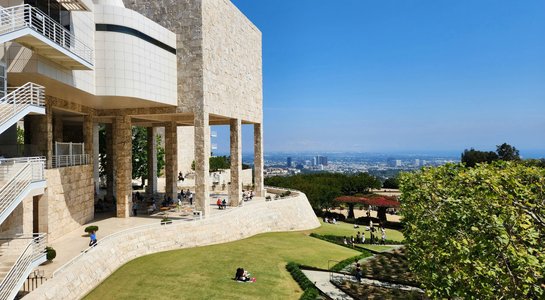
View of The Getty Center, a must-see art museum and cultural highlight for anyone exploring things to do in Los Angeles.

Why We Love It

  • A world of art, all in one place: The Getty Center brings together masterpieces from every era—there’s always something unexpected to discover in the galleries.
  • Garden strolls and city views: From tranquil gardens to sweeping terraces, you can soak up sunlight, see sculpture, and gaze out across all of LA in one afternoon.
  • Art for everyone: The Getty is as inviting for first-timers as it is for lifelong art lovers, with free admission, family activities, and rotating exhibits for all ages.
  • Endlessly inspiring: Whether you come for photography, paintings, or just the setting, every visit feels fresh—thanks to ever-changing exhibits, outdoor installations, and those iconic views.

Visitor Insights

  • Best timing: Arrive right when the Getty opens at 10am on weekdays, or come after 3pm to enjoy fewer crowds. Everyone rides the free tram from the parking area up to the museum—trams run every 5–10 minutes.
  • Free tours: Daily architecture, garden, and art collection tours are all included with admission—just check the schedule at the information desk or on the Getty’s website. No reservation needed unless you’re part of a group.
  • Dining tip: You can bring your own picnic to enjoy in the designated areas near the tram plaza, or grab a bite at the Café or Restaurant. Reservations are only needed for the Restaurant—not the Café. Keep in mind, food isn’t allowed in the galleries or gardens.

  • Location: Located in Brentwood—just take Getty Center Drive right off the 405 freeway.
  • Parking: On-site garage parking is $20 per day (discounted after 3pm), and it includes a scenic tram ride up to the museum entrance.
  • Accessibility: The Getty Center is fully accessible, with wheelchairs, elevators, accessible shuttles, and tram cars available for all visitors.
  • Hours & fees: Closed on Mondays. Admission is always free—just pay for parking.

What is the best art museum in Los Angeles?

Los Angeles County Museum of Art (LACMA)

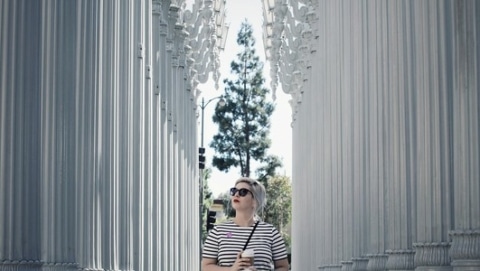
LACMA is Los Angeles’s flagship art museum, known for its expansive galleries, hands-on exhibits, and the iconic “Urban Light” installation that draws crowds day and night. As the largest art museum in the West, it’s one of the most distinctive things to do in Los Angeles—whether you’re looking for creative inspiration, a family-friendly cultural stop, or a solid indoor plan on a gray afternoon. With collections spanning centuries and continents and a steady rotation of exhibitions and events, LACMA delivers both world-class art and a strong sense of the city’s creative pulse.
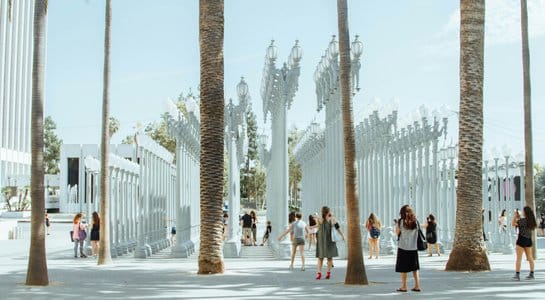
Entrance to the Los Angeles County Museum of Art, a top recommendation on any list of things to do in Los Angeles

Why We Love It

  • Architecture that sings: Frank Gehry’s curving steel walls shine in the sun, making this the most unforgettable building in LA—every angle is a photo op.
  • Music you can feel: The acoustics are legendary, whether you’re hearing a symphony or a bold new work from the LA Philharmonic—sound wraps around you here.
  • Hidden garden escape: The rooftop Blue Ribbon Garden feels like a secret—perfect for a quiet pause among flowers, sculptures, and city views.
  • Stories around every corner: Free tours reveal the inspiration behind the architecture and music, so you can discover the magic that makes this hall a masterpiece inside and out.

Visitor Insights

  • Best timing: Visit on a weekday afternoon or evening for the quietest galleries. “Urban Light” shines brightest after dark and stays lit until closing—8pm Fridays, 7pm most other days (closed Wednesdays).
  • Admission deals: LA County residents get free entry after 3pm on weekdays with an ID. Second Tuesday of the month is free for everyone, and kids under 17 are always free—just ask at the ticket window.
  • Special events: LACMA’s calendar is packed with Friday Night Jazz (seasonal), outdoor movies, and hands-on art workshops for families. Many special programs are included with admission or free with RSVP—check the events calendar before you go.

  • Location: In the heart of Miracle Mile at 5905 Wilshire Blvd.
  • Parking: There’s a paid lot on Wilshire, plus metered and time-restricted street parking nearby.
  • Accessibility: Fully wheelchair accessible; loaner wheelchairs are available at the ticket office if you need one.
  • Hours & fees: Closed on Wednesdays. Admission is required (prices vary), but keep an eye out for free hours and special days.

What is the most iconic concert hall in Los Angeles?

Walt Disney Concert Hall

Walt Disney Concert Hall is one of Los Angeles’s most recognizable cultural landmarks, defined by its sweeping steel design from Frank Gehry. As the home of the LA Philharmonic, it anchors the city’s world-class music scene while standing as a must-see architectural work. Even without a concert ticket, visitors can explore rooftop gardens, dramatic interiors, and public art spaces. Whether you’re attending a performance or seeking unique free things to do in Los Angeles, this stop delivers a focused look at the city’s artistic ambition.
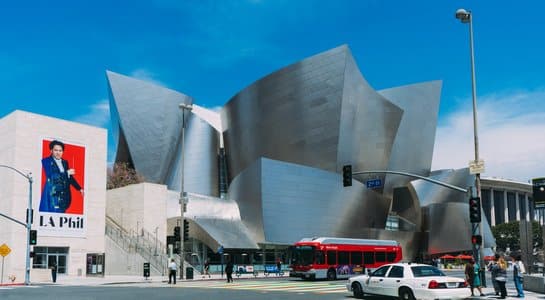
Walt Disney Concert Hall in Los Angeles, one of the best cultural experiences and essential things to do in Los Angeles.

Why We Love It

  • Pure California magic: Nothing beats an open-air concert beneath the stars, with canyon breezes and city lights setting the scene at this iconic venue.
  • Music legends, live: From pop icons and jazz greats to full orchestras, the stage here has welcomed some of the biggest names and most unforgettable performances in LA.
  • Picnic under the sky: The Bowl is one of the city’s favorite spots to bring a basket, share a meal, and enjoy a concert—BYO wine and snacks is all part of the tradition.
  • Fireworks & festival spirit: Summer shows often end with fireworks that light up the canyon, turning every concert into a celebration.

Visitor Insights

  • Best timing: The Blue Ribbon Garden (on the rooftop, free) is open to all visitors until sunset—golden hour is perfect for photos. The garden sometimes closes for private events or during concerts, so check ahead if it’s a must-see.
  • Last-minute tickets: Rush tickets for the LA Philharmonic are available online two hours before most concerts, with real discounts on official seats. Look for “Rush Tickets” at laphil.com.
  • Free tours: Self-guided audio tours are available until 2pm most days, with devices at the lobby kiosk—no need to book ahead, but hours can change for private events or rehearsals.

  • Location: Downtown at 111 S Grand Ave.
  • Parking: Paid parking is available in the garage beneath the hall, with nearby lots and limited metered street parking as alternatives.
  • Accessibility: Fully ADA accessible with elevators, wheelchair seating, and assistive listening devices for performances.
  • Hours & fees: Box office hours vary. It’s free to stroll the lobby and gardens, but you’ll need a concert ticket to attend performances.

Where can you see outdoor concerts?

Hollywood Bowl

The Hollywood Bowl is Los Angeles’s definitive outdoor concert venue, set into the Hollywood Hills beneath an open night sky. Its lineup spans classical symphonies, jazz, pop headliners, and seasonal fireworks, making nearly every show feel like an event. Guests are encouraged to bring a picnic and settle in under the iconic white arch alongside thousands of fans. For live music lovers, this is one of the top outdoor things to do in LA—and a long-standing local tradition that still delivers.
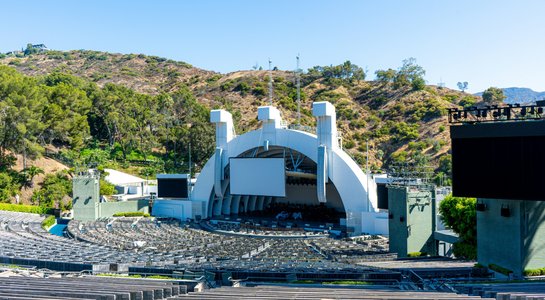
The Hollywood Bowl outdoor amphitheater, a legendary live music venue and a classic activity among things to do in Los Angeles.

Why We Love It

  • Music under the stars: There’s nothing quite like hearing a live orchestra or band as the sun sets and city lights appear around you.
  • Perfect for picnics: You’re invited to bring your own food and drinks—sharing a meal on the benches or box seats is a Hollywood Bowl tradition.
  • Fireworks and family fun: Summer concerts often end with dazzling fireworks, and the Bowl’s lineup has something for every age and taste.
  • Legendary atmosphere: From jazz legends to pop icons, the Bowl’s stage has hosted the world’s best—making every night feel like a bucket-list event.

Visitor Insights

  • Arrive early: Gates open 2.5 hours before showtime. Early birds get the best picnic spots and a chance to visit the Hollywood Bowl Museum (free with your event ticket, closes at showtime).
  • Transportation tip: Park & Ride and Bowl Shuttle buses are the easiest way to avoid parking headaches—tickets sold online and at the lot, with routes from all over LA County.
  • Food & drink: For most concerts, you can bring your own food and drinks (including alcohol), but check your ticket—some events have restrictions. Box seats come with little tables; bench seats are classic but bring a cushion for comfort.

  • Location: 2301 N Highland Ave, Hollywood.
  • Parking: On-site parking is stacked and limited ($25–$60); shuttles and park-and-ride are the best bet for most visitors.
  • Accessibility: ADA seating, shuttles, and restrooms are available—let the box office know if you need wheelchair accommodations.
  • Hours & fees: Open for concerts May through October; tickets required for entry, and grounds are closed outside of event days.

Los Angeles Cultural Neighborhoods to Visit

Culture in Los Angeles lives at the neighborhood level, shaped by communities rather than monuments. Areas like Chinatown, Little Tokyo, and Leimert Park developed as cultural hubs where food, music, art, and daily life intersect—a pattern emphasized in the city’s cultural planning work led by the Los Angeles Department of Cultural Affairs. Today, that history plays out in lantern-lit streets, Japanese gardens, street markets, festivals, and live jazz plazas. Exploring these neighborhoods offers one of the most direct ways to experience LA’s multicultural and creative identity.


Where can you explore traditional tea shop?

Chinatown LA

Chinatown is one of the best neighborhoods to explore in Los Angeles for food, art, and street life. The heart of the area centers around Central Plaza, where lantern-lit walkways, busy markets, and historic landmarks set the tone. Whether you’re stopping for classic dim sum, browsing indie galleries, or timing your visit with a local festival, Chinatown offers a compact, culture-packed stop that’s easy to explore and consistently rewarding.
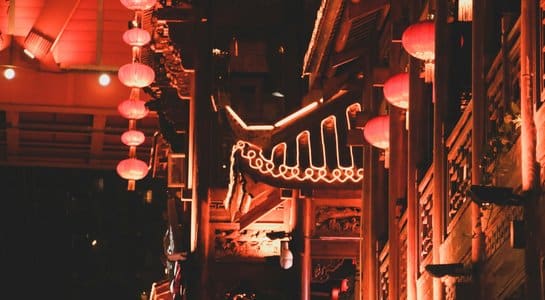
Colorful street scene in Chinatown, Los Angeles, offering unique places to visit and memorable things to do in LA.

Why We Love It

  • Vibrant heartbeats: Central Plaza glows with neon pagodas, red lanterns, and constant community activity—ideal for wandering and spontaneous photo stops.
  • A taste of everywhere: Move easily from traditional dim sum to bubble tea and hand-pulled noodles—every menu reflects generations of culinary influence.
  • Art that tells stories: Murals, temples, and the Chinese American Museum connect the neighborhood’s past with its present.
  • Treasure hunting made fun: Herbal shops, vintage finds, pop-up markets, and galleries ensure every visit turns up something unexpected.

Visitor Insights

  • Best timing: Most shops open by 11am. Saturdays are the liveliest, especially around Central Plaza, where markets and events draw steady crowds.
  • Nightlife highlight: Chinatown Summer Nights (select Saturdays) brings DJs, food trucks, and art pop-ups into the streets until late.
  • Insider tip: Guided walking tours from the Los Angeles Conservancy or Chinatown Business Improvement District offer deeper insight into the area’s history, food, and architecture.

  • Location: Just north of downtown, with the main entrance at Broadway and Cesar Chavez Ave.
  • Parking: Plenty of public lots and metered street parking nearby. The Metro Gold Line drops you right at Chinatown Station for an easy, car-free visit.
  • Accessibility: Most sidewalks and plazas are wheelchair-friendly, though some historic alleys have uneven pavement—watch your step if you’re exploring off the main drag.
  • Hours & fees: Most shops are open daily (some close Mondays). Community festivals are free and open to everyone.

Where can you find Japanese food and culture?

Little Tokyo

Little Tokyo is one of the clearest places to experience LA’s Japanese heritage, blending historic temples, peaceful gardens, and a dense cluster of food and culture. Within a few walkable blocks, you’ll find ramen bars, mochi shops, anime stores, and the Japanese American National Museum, which grounds the neighborhood in lived history. For visitors looking for unique things to do in Los Angeles that feel distinctly local, Little Tokyo delivers a focused, culture-rich stop that’s easy to explore.
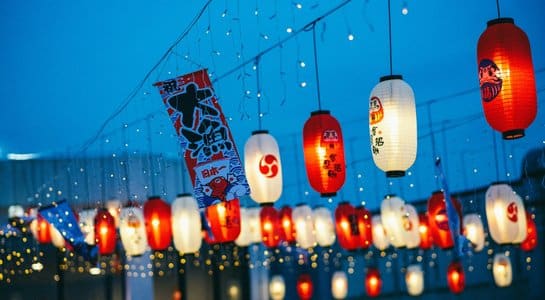
Little Tokyo district in Los Angeles, a vibrant cultural spot and a popular choice for fun things to do in Los Angeles.

Why We Love It

  • A feast for the senses: From silky ramen and fresh mochi to late-night izakaya, Little Tokyo’s food scene invites you to slow down and truly savor.
  • Living culture: Peaceful gardens, historic temples, and the Japanese American National Museum make every stop feel like a link to LA’s Japanese roots.
  • Festival joy: Nisei Week, Tanabata, and Oshogatsu bring parades, music, and street food, turning the neighborhood into a celebration of community and heritage.
  • One-of-a-kind finds: Manga shops, ceramics, and imported treats make shopping here a true treasure hunt—there’s always something new to discover.

Visitor Insights

  • Best timing: Saturdays are the busiest and most festive, but come midweek for a quieter stroll and easier gallery entry. Key festivals happen throughout the year—check littletokyola.org for details.
  • Culture tip: The Japanese American National Museum is free every third Thursday and offers rotating exhibits, family workshops, and hands-on activities.
  • Shop smart: Japanese Village Plaza and 2nd Street are packed with family-run manga and snack shops—ask the staff for recommendations on rare finds.

  • Location: Just east of downtown, centered at 1st and Alameda.
  • Parking: Multiple public lots and garages nearby; Metro Gold Line stops at Little Tokyo/Arts District Station.
  • Accessibility: Most plazas and museums are wheelchair-friendly, but some older storefronts may have steps.
  • Hours & fees: Most attractions open daily; museum admission varies, but there are several free days and programs.

Where can you find some of the best jazz in LA?

Leimert Park

Leimert Park is one of Los Angeles’s most vital creative hubs, where live jazz, spoken word, and visual art shape the neighborhood’s rhythm. Widely recognized as the heart of Black culture in LA, it brings together community, history, and contemporary talent in one walkable area. Whether you’re catching a jam session, browsing indie bookstores and markets, or visiting during a festival, Leimert Park offers one of the most unique things to do in LA for travelers looking to experience the city’s creative core.
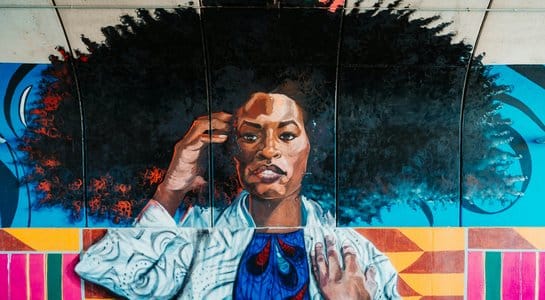
Leimert Park in Los Angeles, known for its arts and music scene—a local favorite for things to do in LA.

Why We Love It

  • Soundtrack of the city: Jazz fills the air here—from plaza jam sessions to iconic venues like The World Stage and Vision Theatre. Every visit feels like stepping into LA’s living music legacy.
  • Art everywhere: Murals, galleries, and indie bookstores celebrate Black artistry, history, and creativity around every corner.
  • Shopping with soul: Afrocentric boutiques, record shops, and markets line the streets—rare vinyl and handmade treasures make every stop feel special.
  • Community in motion: Art walks, drum circles, and festivals fill the calendar, drawing everyone out to dance, create, and connect.

Visitor Insights

  • Best timing: The Leimert Park Art Walk happens the last Sunday of every month, with open galleries, live music, and outdoor vendors from noon to 6pm. Drum circles and spoken word events are regular highlights.
  • Festival highlight: The Leimert Park Jazz Festival is held every August in the Village Plaza; admission is free or donation-based, and the lineup is posted on the official festival website each year.
  • Catch a show: The World Stage and Vision Theatre post event calendars online for jazz, poetry, and workshops—many are open to all ages and affordably priced.

  • Location: Centered at Leimert Blvd & 43rd Place in South LA, with historic Spanish-Colonial homes and tree-lined streets adding to the neighborhood’s charm.
  • Parking & transit: Free and metered street parking is available, and the Metro K-Line services Leimert Park and MLK Jr. stations nearby.
  • Accessibility: The plaza and sidewalks are wheelchair-friendly, though some small shops may have steps.
  • Hours & fees: Shops and cafés are typically open daily; art walks and festivals are free or donation-based—check venues for event times.

FAQ about things to do in Los Angeles

The Hollywood Walk of Fame and TCL Chinese Theatre are widely recognized as the most famous cultural landmarks in Los Angeles.

  • The Walk of Fame stretches along Hollywood Boulevard, honoring thousands of stars from film, TV, and music.
  • The TCL Chinese Theatre is iconic for its celebrity handprints and red-carpet premieres.
  • Both sites are central to LA’s entertainment history and attract millions of visitors annually.

Strolling Olvera Street during a festival is one of the most immersive cultural experiences in Los Angeles.

  • Olvera Street is the city’s historic birthplace, with mariachi music, authentic Mexican food, folk art, and colorful celebrations.
  • Major events like Día de los Muertos and Mexican Independence Day turn the street into a lively community festival.
  • It’s operated as part of El Pueblo de Los Angeles Historical Monument, an official city monument.

Downtown Los Angeles (DTLA) is the best area for a deep dive into the city’s diverse cultures and historic neighborhoods.

  • DTLA includes landmarks like Olvera Street, Chinatown, Little Tokyo, and the Arts District—all within walking or short transit distance.
  • The area offers world-class museums, vibrant festivals, and authentic local cuisine from many cultures.
  • It’s ideal for exploring LA’s multicultural roots in a single day or weekend.

Los Angeles is best known for its entertainment industry, multicultural neighborhoods, and creative arts scene.

  • Hollywood’s film and television legacy shapes LA’s global reputation.
  • The city’s diversity is reflected in neighborhoods like Koreatown, Little Tokyo, and Leimert Park.
  • LA is a leader in contemporary art, music, street food, and festivals, making it a cultural melting pot.

The Getty Center is widely regarded as the best art museum in Los Angeles for its world-class collections and breathtaking views.

  • The Getty Center features masterpieces by Van Gogh, Rembrandt, and more, all set in stunning architecture with panoramic city vistas.
  • Admission to the Getty is free, with paid parking and a scenic tram ride up to the museum.
  • Find hours, special exhibits, and planning details at the Getty Center’s official website.

The Getty Center is widely regarded as the best art museum in Los Angeles for its world-class collections and breathtaking views.

  • The Getty Center features masterpieces by Van Gogh, Rembrandt, and more, set in stunning architecture with panoramic city vistas.
  • Other top contenders include LACMA (Los Angeles County Museum of Art) and The Broad for modern and contemporary works.
  • Admission to the Getty is free; parking is paid.

Spring and fall are the best times to visit Los Angeles for cultural events, pleasant weather, and fewer crowds.

  • Major festivals, like Nisei Week in Little Tokyo (August) and Dia de los Muertos on Olvera Street (late October/early November), take place in late summer and fall.
  • Spring brings outdoor concerts and art walks, while mild temperatures make exploring comfortable year-round.
  • Summer is busiest but features major events like Hollywood Bowl concerts and outdoor movie screenings.


Two women stand with surboards

Plan Your LA RV Road Trip

Your Los Angeles adventure starts here.

Discover Los Angeles at your own pace—book your RV in LA and unlock iconic landmarks, vibrant neighborhoods, and legendary California road trip freedom. From historic sites to world-class museums, sandy beaches to buzzing nightlife, LA is yours to explore mile by mile.

Book your trip from Los Angeles