Choose Your RV


Meili Wyss • Last updated: January 20, 2026 • 7 min read
RV classes group motorized RVs by size, layout, and how they function on the road. In the U.S., most fall into three categories—Class A, Class B, and Class C—each representing a different trade-off between interior space, driving ease, and trip style. If you’re new to RV travel, those differences can feel abstract at first, but once you understand how each RV class is used day to day—how it drives, where it fits, and what kind of trips it supports—the choice becomes much clearer. This guide explains the different RV classes in practical terms and helps you decide which one fits your trip in real-world conditions. For broader planning context, including RV types, costs, and common trade-offs, the RV guides hub is a helpful next step.
Choosing between RV classes usually comes down to three things: how much space you need, how comfortable you are driving a larger vehicle, and how many people are traveling with you. Class A is the most spacious, Class B is the easiest to handle, and Class C offers a middle ground. The table below summarizes the core differences at a glance.

RV classes mainly differ in size, driving feel, and sleeping capacity. Class A offers the most interior space, Class B prioritizes maneuverability and simplicity, and Class C balances comfort with drivability. The comparison below highlights the core differences so you can quickly see which type fits your trip.
| Feature | Class A RV | Class B RV (Camper Van / Sprinter) | Class C RV |
|---|---|---|---|
| Size | Large (26–40 ft) | Compact (18–22 ft) | Mid-size (22–32 ft) |
| Driving Feel | Bus-like; requires comfort with larger vehicles | Van-like and easy to handle | Drives smoothly, but requires more space to maneuver |
| Sleeping Capacity | Sleeps 4–8 (varies by model) | Sleeps 2–4 (varies by model) | Sleeps 2–5 (varies by model) |
| Interior Layout | Spacious with multiple living areas | Open layout, multipurpose areas | Defined zones for sleeping, dining, lounging |
| Bathroom Setup | Full bathroom; often separate shower and toilet | Compact bathroom or wet bath (varies by model) | Full bathroom with separate shower and toilet |
| Storage Space | Extensive interior and exterior storage | Minimal and efficient | Ample cabinets, undercarriage storage |
| Ideal For | Large families, long road trips | Couples, duos, small families, solo travelers | Families, small groups, longer trips |
| Ease of Setup | Simple motorhome setup; may require leveling | Very simple—park and go | Simple motorhome setup; may require leveling |
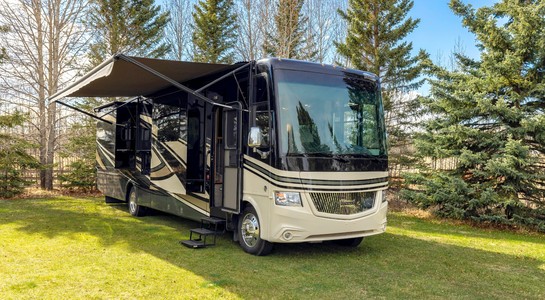
These are the largest motorized RVs, built on heavy-duty truck or bus-style chassis. Inside, they feel closer to a small apartment than a vehicle, with tall ceilings, full kitchens, and generous storage.
They work well for long trips where you stay put for several days at a time, or for travelers who want maximum living space and don’t mind planning routes carefully.
Built on a standard van chassis, Class B RVs are the smallest motorized RV category. This includes both compact camper vans and larger Sprinter-style builds. They handle much like a large SUV, making them ideal for travelers who want to move often and keep driving stress low.
Space is efficient rather than expansive, but setup is minimal and parking is significantly easier than with larger RVs.

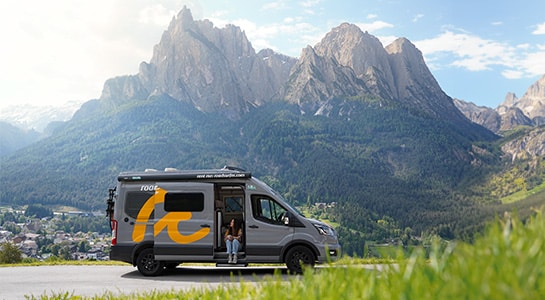
Class B RVs also come in different styles, from compact camper vans to roomier Sprinter-style builds. For a deeper breakdown of the options and what each type is best for, see our in-depth Class B guide.
These mid-size RVs are built on a truck-like cab and are easy to spot thanks to the cab-over sleeping area. That extra bunk space makes them especially practical for families or small groups.
Compared to Class B RVs, Class C models offer more interior space and storage while still feeling manageable on the road. If you’re weighing that trade-off, our Class B vs Class C RVs: A Quick Guide breaks down the differences in space, driving comfort, and trip style.


Not everything labeled an “RV” fits into the Class A, B, or C system. Towable setups are common and useful to know about, even though they aren’t part of the official class structure.

Towable RVs with a wide range of sizes and layouts. They require a capable tow vehicle and some experience maneuvering.

Large towables that connect to a pickup truck bed. They offer residential-style interiors but require specific towing setups.
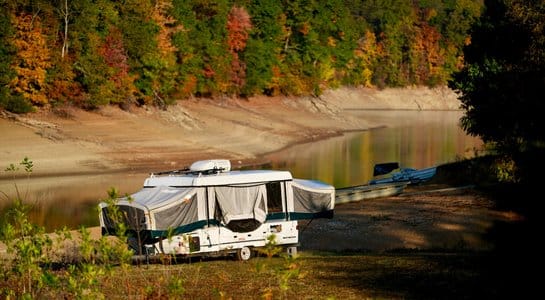
Lightweight, fold-down trailers that expand when parked. Budget-friendly but limited in insulation and amenities.

Compact units that sit directly in a pickup truck bed. Highly mobile, but space is minimal.

Heavy-duty versions of Class C RVs with more power and towing capacity. Best suited for long trips with extra gear.
In most cases, no—most motorized RVs can be driven with a standard U.S. driver’s license. Only very heavy RVs, mainly large Class A models or some Super C RVs, may require an upgraded non-commercial license in a few states.
License rules vary by state and are usually based on vehicle weight, not RV class. Class B RVs and most Class C RVs fall well within standard limits and rarely need anything beyond a regular license.
To rent an RV, you typically need to be around 21 years old with at least one year of driving experience. To confirm rental requirements for your area, see our FAQ on how old you have to be to rent an RV.

Understanding the differences between Class A, B, and C RVs makes it much easier to choose the right fit for your travel style. Whether you want the space of a Class A, the simplicity of a Class B, or the balance of a Class C, each class offers something different for the road ahead.
Class B RVs are typically the most fuel-efficient because they use smaller engines and lighter frames than larger RV classes. Real-world mileage still depends on driving speed, weight, and terrain, but compact vans consistently offer the best fuel performance.
Not all RV classes can access every national park campground because each park sets its own vehicle length limits. For official size allowances, check the NPS Campground Information Index.
Class C RVs often work best for winter or cold-weather travel because their larger builds allow for stronger insulation and heating systems than compact Class B vans. Some Class A and Class C models also include enclosed tanks or cold-weather packages that help prevent freezing in colder temperatures.
From picking the right RV class to planning routes and camping spots, our RV guides hub pulls everything into one place so you don’t have to piece it together from scratch.



/
Travel smarter with roadsurfer.
Trusted by thousands of travelers worldwide.
✓ Backed by 15,000+ Google reviews
✓ Built for families, couples & adventurers
✓ Inspiration & exclusive deals for subscribers