Choose Your RV
Meili Wyss • Last updated: February 05, 2026 • 7 min read
National parks are incredible to explore by RV, but they’re also where RV size matters most. Choosing the best RV size for national parks can make the difference between smooth access and constant workarounds. Many parks were designed long before modern RVs became common, which means narrow roads, limited parking, and size-restricted camping spots are part of the experience. This guide explains what actually fits in national parks and how RV size affects where you can go. If you’re still comparing options, our RV guide hub is a good place to explore vehicle types and trip planning basics first.
There isn’t one perfect RV for every national park. Road width, parking areas, and camping spot length limits vary from park to park, which means size plays a bigger role than many first-time renters expect. In general, smaller RVs offer more freedom on scenic drives and in older park infrastructure, while larger models work best when you’re planning to stay put in one area.
The comparison below shows how different RV lengths typically perform inside U.S. national parks, so you can quickly see which option matches your travel style and comfort needs.
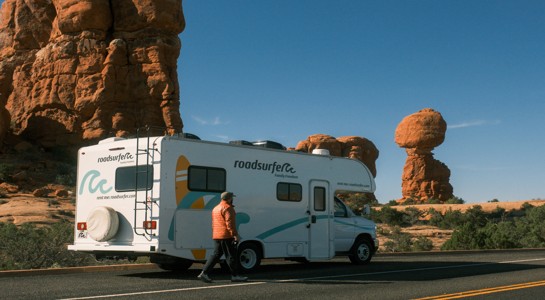
| RV Length | Typical RV Class | Access to Park Roads | Camping Spot Availability | Flexibility Level |
|---|---|---|---|---|
| 18–22 ft | Class B RV (Camper Van / Sprinter) | Excellent — fits most scenic and historic park roads | High — compatible with most national park camping spots | Very High |
| 22–32 ft | Class C RV | Good — some restrictions on narrow or older park roads | Moderate — some camping loops have length limits | Moderate |
| 30+ ft | Large Class C or Class A RV | Limited — often restricted on older scenic routes | Low — limited camping loop availability | Low |
National parks don’t use a single universal RV size limit. Instead, restrictions vary based on infrastructure and safety concerns.
Even travelers who choose a reasonable RV size can run into problems inside national parks. Most issues come from underestimating how size restrictions affect day-to-day access.
Not all national parks offer the same RV camping experience. The biggest differences come down to camping spot flexibility, road design, and how easy it is to park and move around inside the park.
Rather than ranking parks by popularity, it’s more useful to group them by how RV-friendly their camping infrastructure actually is.
These parks are the most forgiving for compact 18–22 ft RVs. Road access is predictable, scenic drives are manageable, and camping spot availability is broader than in more restrictive parks.
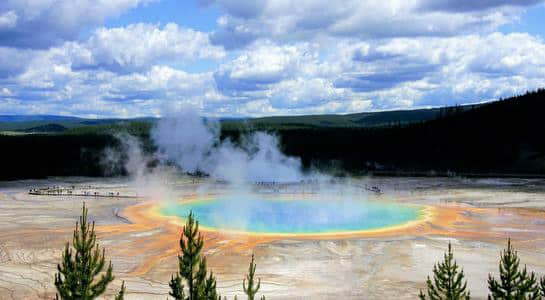
Multiple large campgrounds and wider internal roads make this one of the most forgiving parks for RV travel.
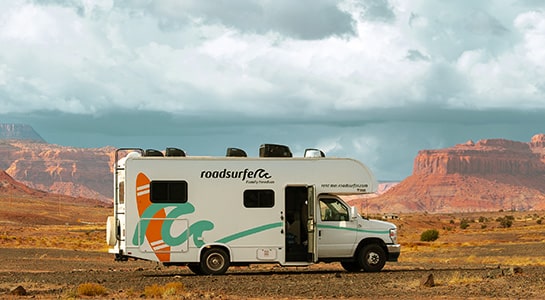
Well-developed camping areas and road access make RV travel more manageable than in more mountainous parks.
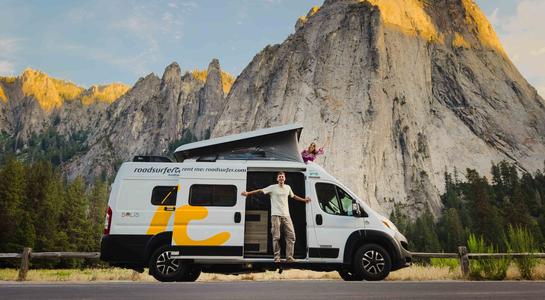
Several campgrounds accommodate longer RVs, particularly in valley areas, though some park roads remain restricted.
Mid-size 22–32 ft RVs can access these parks, but road design, elevation, or tunnel restrictions make planning more important. Smaller rigs have an easier time navigating key areas.
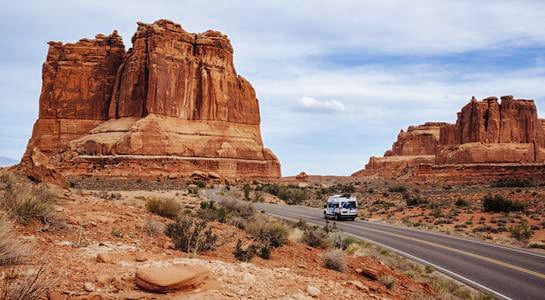
Limited on-site RV camping and tight access favor shorter rigs.
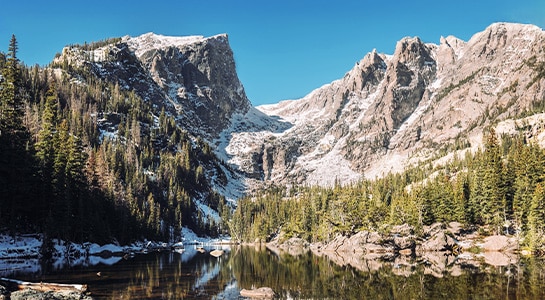
Elevation, road design, and parking constraints make smaller RVs the more practical choice.
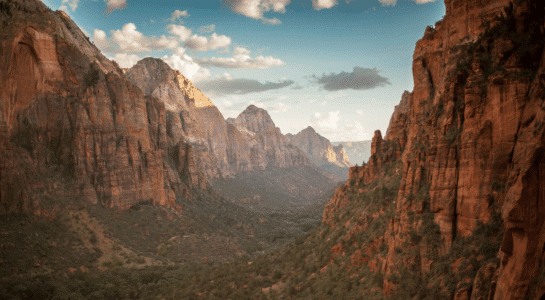
Road and tunnel restrictions make compact RVs far easier to manage.
Larger 30+ ft RVs are often restricted on scenic roads in these parks. Many travelers use a basecamp approach, camping nearby and exploring with shuttles or smaller vehicles.
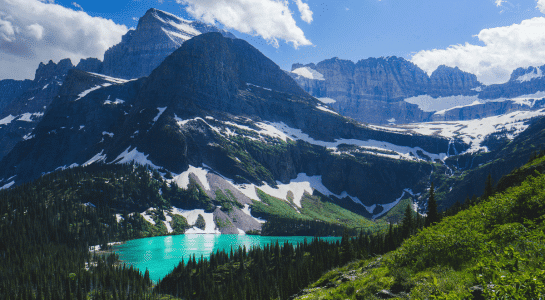
Iconic scenic roads have strict vehicle limits.
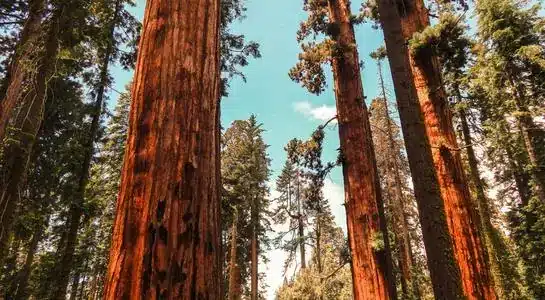
Narrow mountain roads and length restrictions favor smaller rigs or a basecamp setup.
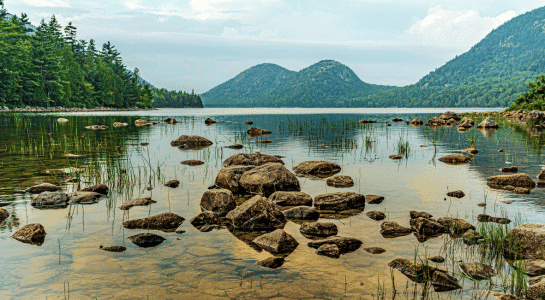
Tight roads and limited parking make compact RVs or off-site camping more practical.
For many national park itineraries, compact 18–22 ft RVs offer the greatest flexibility. The advantage comes down to road access, parking ease, and camping spot compatibility rather than interior comfort alone.
National parks tend to reward smaller, more agile RVs. Camper vans usually offer the smoothest experience inside parks, while larger RVs can work well when comfort is prioritized over mobility.
RVs around 20–25 feet offer the best balance of access and flexibility in national parks.
There is no single maximum RV size that applies across all national parks.
Yes, but larger RVs face more restrictions and reduced flexibility.
Many national parks accommodate RVs, but not all RV sizes equally.
Most national park RV camping spots do not offer hookups.
Reservations are strongly recommended for RV camping in national parks.
From picking the right RV class to planning routes and camping spots, our RV guides hub pulls everything into one place so you don’t have to piece it together from scratch.

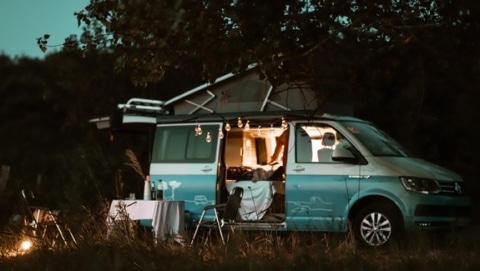
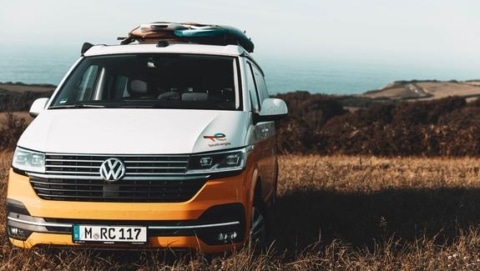
Travel smarter with roadsurfer.
Trusted by thousands of travelers worldwide.
✓ Backed by 15,000+ Google reviews
✓ Built for families, couples & adventurers
✓ Inspiration & exclusive deals for subscribers