Choose Your RV
Meili Wyss • Last updated: February 12, 2026 • 9 min read
A Route 66 road trip is often pictured as one continuous highway stretching from Chicago to the Pacific. In reality, driving Route 66 today means navigating preserved historic segments, frontage roads, small-town main streets, and modern interstate connectors that fill the gaps between them. If you are planning a Route 66 RV road trip, that patchwork structure directly affects pacing, overnight strategy, and seasonal timing.
Route 66 is still drivable, but not as one seamless road. Most travelers need two to three weeks at a realistic pace, linking historic stretches with modern highways along the way. In an RV, the trip works best when structured by region rather than chasing every preserved mile. A Route 66 road trip is less about following a single road and more about deciding how closely you want to follow the original alignment.
Historic Route 66 is no longer one uninterrupted highway. It is a network of preserved alignments layered onto modern infrastructure. Large sections were replaced by interstates, so a Route 66 trip today involves transitioning between original segments and contemporary connectors. Understanding that patchwork upfront prevents frustration later, and if you are planning a multi-state journey beyond nostalgia, what RV travel across the U.S. really looks like helps set realistic expectations before committing to the full drive.
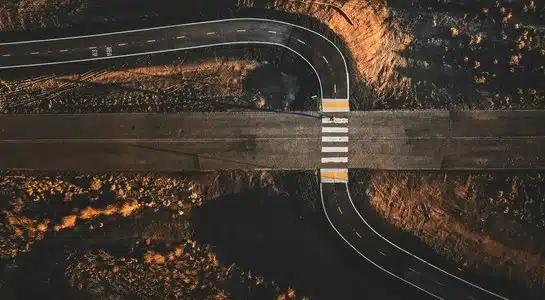
These surviving stretches show Route 66 as it exists now: scattered segments, modern connectors, and gaps between preserved miles.

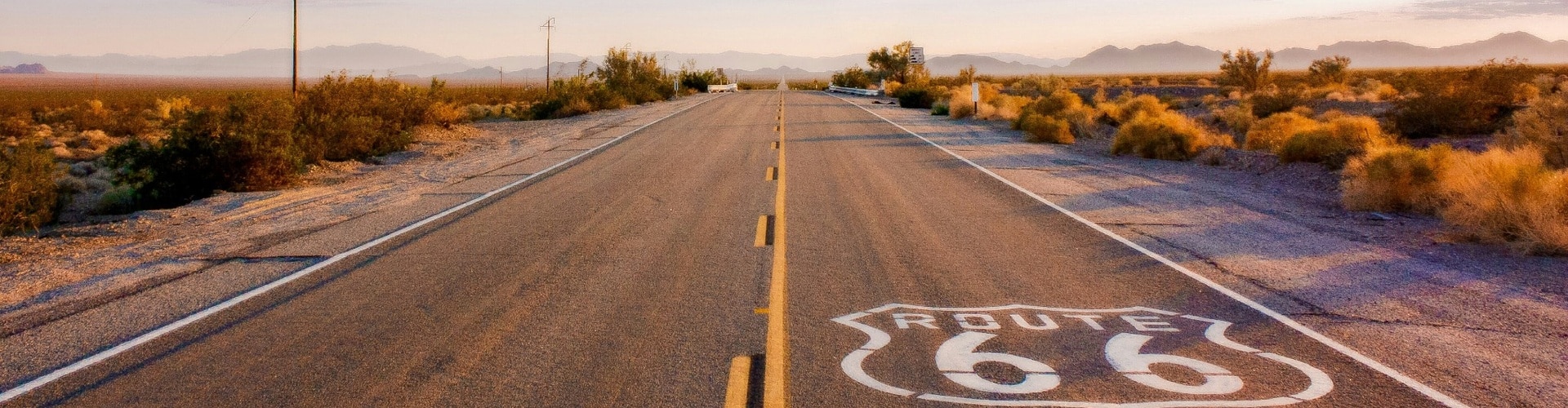
These desert stretches deliver the iconic Route 66 image: open asphalt, distant mesas, and miles of uninterrupted horizon.
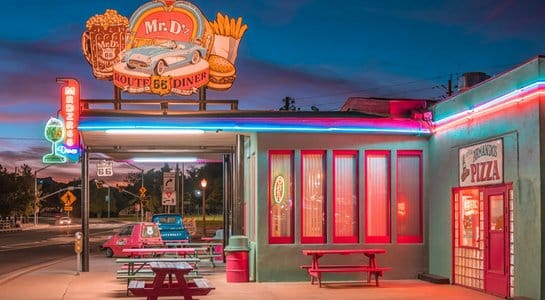
These towns deliver Route 66 at its most recognizable: roadside diners, glowing neon, and historic storefronts that slow the pace.

Route 66 lacks consistent signage across states: faded route shields, unclear intersections, and reliance on apps or detailed guides.
Most Route 66 road trips go off track for predictable reasons. The route rewards structure, not spontaneity without context.
A Route 66 trip is defined by distance, endpoints, and time. Where the road begins and ends sets the geographic scope, but how long you have determines whether the experience feels immersive or compressed. Since most full-route drives take two to three weeks, cost structure becomes part of the decision, especially for a Route 66 RV road trip. Comparing fuel, overnight stays, and rental duration against flights and hotels across multiple states requires a broader view, which is why reviewing RV rental versus hotels and flights helps clarify the trade-offs.
Route 66 officially connects two well-known endpoints:
The endpoints define scale. How closely you follow the historic alignment determines what happens in between.
Most travelers need two to three weeks to drive Route 66 at a comfortable pace. Shorter timelines are possible, but they require trade-offs.
Timing matters on a Route 66 road trip because the route crosses multiple climate zones. Desert heat in summer and winter weather in higher elevations can limit flexibility and comfort. Late spring and early fall usually offer the most balanced driving conditions across the full route.

Best overall weather across the full route

Cooler temperatures and lighter traffic
Once you understand distance and timing, the next question becomes structural. How much of historic Route 66 do you actually want to drive? Most travelers choose one of three practical approaches depending on schedule and priorities.
Option 1
A complete Chicago-to-Santa Monica Route 66 road trip typically takes two to three weeks. This approach allows space for small towns, preserved segments, and scenic stretches without relying heavily on interstates.
Option 2
Many travelers concentrate on one region. The Southwest offers desert landscapes and classic roadside landmarks, while Midwest segments highlight historic town centers. Regional drives often suit one- to ten-day vacations.
Option 3
If time is limited, you can prioritize well-preserved segments and widely recognized towns while using interstates strategically. This approach favors efficiency over historical completeness.
Most Route 66 road trip guides describe the drive from Chicago to Santa Monica, the traditional westbound direction of historic Route 66. However, driving Route 66 eastbound changes how the landscape unfolds and how you experience desert heat. The route remains the same, but timing and starting point influence rhythm and conclusion.
Chicago → Santa Monica
Santa Monica → Chicago
Route 66 works especially well as an RV road trip when approached with realistic planning. The route rewards controlled pacing and flexibility, and combining transportation with accommodation reduces friction during long rural stretches and small-town stops. Driving Route 66 in an RV makes it easier to shorten driving days, adjust to desert heat or shifting weather, and stay near preserved historic segments rather than defaulting to interstate hotels. If your Route 66 RV road trip begins and ends in different states, understanding how one-way RV rentals work, what they cost, and when they make sense helps make coast-to-coast planning more realistic.
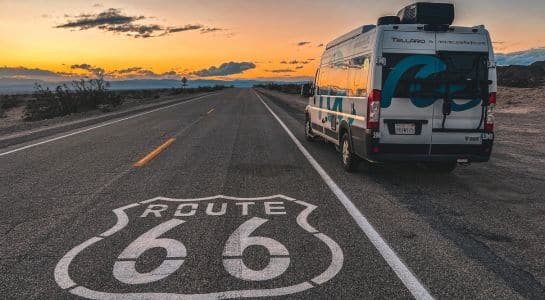
A Route 66 road trip is less about following a single uninterrupted highway and more about making informed choices. Define your timeframe first. Then decide whether to drive the full historic route or focus on specific regions. That structural decision shapes pacing, overnight strategy, and overall experience, especially when driving Route 66 in an RV.
Route 66 became famous as one of the first continuous highways linking Chicago to Los Angeles.
Route 66 was officially established in 1926.
Historic Route 66 originally ran approximately 2,448 miles.
Route 66 no longer exists as an official U.S. Highway.
Some preserved segments require cautious driving.
From picking the right RV class to planning routes and camping spots, our RV guides hub pulls everything into one place so you don’t have to piece it together from scratch.

Travel smarter with roadsurfer.
Trusted by thousands of travelers worldwide.
✓ Backed by 15,000+ Google reviews
✓ Built for families, couples & adventurers
✓ Inspiration & exclusive deals for subscribers