9 Must-See Outdoor Activities in Los Angeles

Discover LA’s Wild Side: Outdoor Activities in Los Angeles

When you think of LA, endless freeways and Hollywood lights might come to mind—but the real city thrives in its outdoor spaces. If you’re searching for the best outdoor activities in Los Angeles, you’ll find more than just beaches and palm trees. From sunrise hikes on iconic trails to wildflower strolls in secret gardens and spontaneous escapes just outside downtown, LA is packed with natural adventures. The city is recognized as a biodiversity hotspot, home to over 4,000 species of plants and animals. As the first U.S. city to create a Biodiversity Index, LA proves these pockets of green aren’t just escapes—they’re living wild places woven into the city’s heart. If you want to recharge in nature, catch scenic views, or explore hidden gardens, there’s a new outdoor surprise in every direction—sometimes just minutes from downtown.


Mountain Escapes: Rugged Trails, Sweeping Views & LA’s Wilder Side

The best hiking trails and mountain adventures near Los Angeles are found in the Santa Monica Mountains National Recreation Area and Angeles National Forest in the San Gabriel Mountains. These two areas offer hundreds of miles of scenic trails, breathtaking city and ocean views, and routes for every skill level. With easy access from LA, you can enjoy peaceful nature walks, challenging summit hikes, and a range of outdoor activities just a short drive from the city.


What are the best hiking trails with views near Los Angeles?

Santa Monica Mountains National Recreation Area

If you’re searching for the best hiking trails near Los Angeles or just craving a breath of wild California air, the Santa Monica Mountains National Recreation Area is always my top suggestion. Sprawling across more than 150,000 acres of dramatic ridgelines, oak woodlands, and sun-soaked valleys, it’s the ultimate outdoor escape within city reach. Whether you wander through wildflower meadows, climb to panoramic overlooks, or just soak up classic SoCal sunshine, there’s no shortage of adventure here. I love that you can spend the morning on a rugged trail and still make it back to LA in time for lunch—just lace up your boots and get ready to experience a wilder side of Southern California.

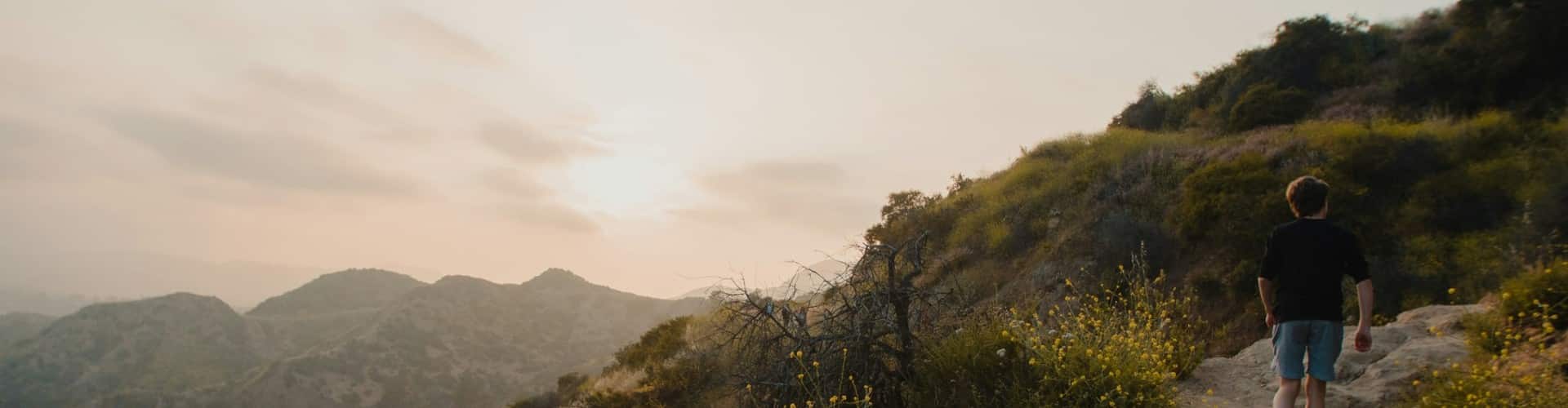
Spring wildflowers and green hills await at Santa Monica Mountains National Recreation Area—one of the top spots for outdoor activities in Los Angeles and a must-see for nature lovers.

Why We Love It

  • Urban wildness: Over 150,000 acres of oak woodlands, chaparral, and hidden hills—real California wilderness, just beyond LA’s city lights.
  • Biodiversity hotspot: From mountain lions and bobcats to over 1,000 plant species and a symphony of birds, it’s a true living landscape.
  • Trails for everyone: Whether you’re after a gentle family stroll or a challenging summit climb, there’s a path here for every pace.
  • Endless views: Find panoramic overlooks that stretch from the Pacific Ocean all the way to downtown—every hike here feels like a true escape.

Visitor Insights

  • Best timing: Go early on a weekday morning for quiet trails and that perfect crisp air—weekends fill up fast, especially by late morning.
  • Wildflower watch: Spring (March–April) is wildflower season. After winter rains, the hills light up with color—bring your camera!
  • Photo magic: Golden hour on a ridgeline or at Sandstone Peak means glowy skies and sweeping, unforgettable panoramas.
  • Seasonal solitude: Fall brings cooler air and fewer hikers, while winter transforms the mountains with lush green hillsides and the chance to spot hidden waterfalls.

  • Trailhead location: Trailheads like Sandstone Peak, Mishe Mokwa, and Malibu Creek are easy to find by GPS and well-marked from the main roads. For remote canyons, download directions ahead—cell signal can drop out fast.
  • Parking: Most National Park Service trailheads and visitor centers offer free parking. Sandstone Peak and Malibu Creek fill up fast on weekends, so come early if you want a spot. State park lots usually charge about $8 per day.
  • Permits or fees: Day hikes are free—no entry fee or permit required. Only group camping, filming, or events need a special permit. Some state parks have an additional day-use fee for parking.
  • Opening/closing times: Open daily, sunrise to sunset. After heavy rain or wildfire risk, some trails may close temporarily—always check for alerts before you go.
  • Public transport: Metro buses and shuttles reach some southern and eastern edges (like Topanga Canyon), but most trailheads are easiest by car or rideshare—especially if you’re heading out early or returning late.

Where can I find a true mountain escape near LA?

Angeles National Forest

If you’re searching for things to do in Los Angeles that actually feel like a getaway, the Angeles National Forest is where I always point people first. Just north of downtown, you’ll wander into soaring pine forests, rocky summits, and even hidden waterfalls—perfect for swapping city buzz for birdsong. This is one of the best places for hiking in Los Angeles, from gentle wildflower walks in spring to epic summit climbs or snowshoeing in winter. And the scenic drives? Pure California magic. Whether you want Instagram-worthy mountain views or a peaceful spot to catch your breath, the San Gabriel Mountains deliver a wild adventure, right in LA’s backyard.

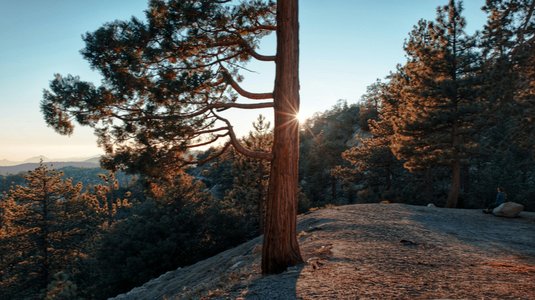
Sunlight streams through pine trees in Angeles National Forest, one of the best places for outdoor activities in Los Angeles.

Why We Love It

  • Alpine escape: Just north of LA, you’ll step into fragrant pine forests, granite peaks, and snow-fed streams—a world away from city buzz.
  • Iconic drives: The Angeles Crest Highway is packed with scenic pullouts and winding turns—perfect for impromptu stops and those must-capture mountain views.
  • Dramatic elevation: From sunny chaparral to snow-capped summits, every mile brings new scenery, microclimates, and a true sense of adventure.
  • Classic SoCal adventure: Whether you love wildflower meadows or old-growth forests, this is where Angelenos recharge and push their limits on the trail.

Visitor Insights

  • Best timing: Head out early or pick a weekday for peaceful trails—weekends fill up fast, especially at the main trailheads.
  • Summit thrills: Take on Mount Baldy (10,064 feet) for 360° views—snowshoeing and skiing add winter adventure at Mt. Baldy Resort or Mountain High.
  • Waterfall wanderings: In spring, trails to Eaton Canyon or Switzer Falls reward you with lush greenery and waterfalls—especially vibrant after winter rain.
  • Seasonal wonder: Fall means cool air and golden leaves up high, while spring brings wildflowers and rushing streams to the mountainsides.

  • Trailhead location: Trailheads like Mount Baldy, Eaton Canyon, and Chantry Flat are easy to find with GPS and clear signage. Just a heads up—some mountain roads are winding and may close after storms, so always double-check before you go.
  • Parking: You’ll need an Adventure Pass ($5/day or $30/year) for most parking areas—grab one at a visitor center, online, or local stores. Lots at the most popular trailheads can fill by 8 or 9 a.m. on weekends, so arrive early for the best shot.
  • Permits or fees: No permit needed for regular day hikes, but that Adventure Pass is required for parking. Overnight or backcountry trips may need special permits, so check details in advance.
  • Opening/closing times: Open year-round, but certain roads and areas might close after snowfall, wildfire risk, or for maintenance—check the Angeles National Forest website for updates before you go.
  • Public transport: Public transit is limited; a few Metro buses reach the foothill towns, but you’ll usually want a car for trailhead access. Rideshares can drop you off, but pickups aren’t always guaranteed in remote areas.

Coastal Escapes: Beaches, Tide Pools & Ocean Trails

You’ll find the best mix of beaches, ocean hikes, and tide pools near Los Angeles at Point Dume, Abalone Cove on the Palos Verdes Peninsula, El Matador Beach in Malibu, and Santa Catalina Island. These destinations offer dramatic coastal trails, sandy coves, and some of the best tide pooling and sunset views in Southern California. For even more sandy hideaways, don’t miss our guide to the
8 best beaches in Los Angeles—packed with local favorites and hidden gems for every kind of beach day.


Which Malibu beach is best for epic photos & sunset views?

El Matador Beach

If you picture classic Malibu—crashing surf, golden sunsets, and dramatic cliffs—El Matador Beach is the place you’re dreaming of. It’s high on my list of unique things to do in Los Angeles for couples, photographers, and anyone who loves a little adventure with their ocean views. Explore tide pools, wander through sea caves, or just settle in as the sun dips into the Pacific. Don’t be surprised to spot a photo shoot or two—this is one of the most photogenic beaches near Los Angeles, and a perfect stop for any LA day trip.

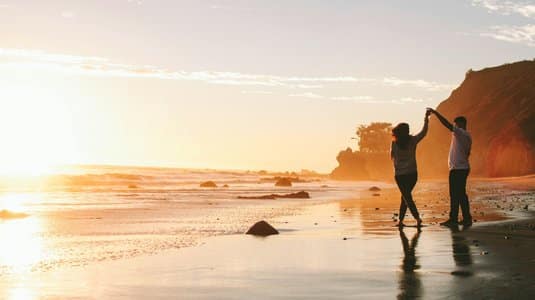
A couple dances on El Matador Beach at sunset—just one of many unforgettable outdoor activities in Los Angeles for couples.

Why We Love It

  • Cinematic cliffs: Towering bluffs and rugged rocks make every visit feel like you’ve stumbled onto a movie set.
  • Secret coves: Find hidden pockets of sand and sea caves—perfect for a little discovery just north of Malibu.
  • Golden hour magic: Sunsets set the rocky arches and sea stacks aglow in unforgettable color.
  • Tide-pool treasures: At low tide, discover vibrant marine life and dramatic rock formations waiting to be explored.

Visitor Insights

  • Best timing: Early mornings or just before sunset are peaceful and stunning—weekends, especially midday, can be busy.
  • Tide-dependent access: Low tide is the secret to fully exploring the caves and arches—check tide charts before you go.
  • Solitude season: Winter weekdays can mean near-private sands, wild surf, and a truly tranquil vibe.
  • Sunset serenity: Bring a blanket and relax on the bluff as the sky shifts from gold to deep twilight over the Pacific.

  • Trailhead location: Just off Pacific Coast Highway at 32350 PCH—look for the small sign and parking turnoff north of Leo Carrillo and Point Dume.
  • Parking: Bluff-top lot is about $8 (holiday rates vary) with around 20 spots; limited street parking on PCH—watch signs closely.
  • Permits or fees: No beach entry fee or permit needed—just pay standard day-use parking, and note that dogs aren’t allowed.
  • Opening/closing times: Open daily, 8 a.m. to sunset—gates lock after hours, with no overnight access.
  • Public transport: Limited buses (Metro 134 or 534 to Trancas Canyon/PCH); nearest stop is about two miles from the beach. Rideshare drop-offs work, but you may need to walk to PCH for a return ride.

Where Do Locals Go in LA for Cliffside Trails and Secret Beaches?

Point Dume Natural Preserve

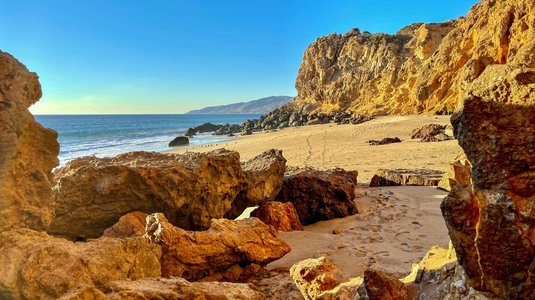
If you’re chasing a coastal hike with some of the best views in Los Angeles, Point Dume never disappoints. This dramatic bluff juts into the Pacific, offering sweeping panoramas, vibrant wildflowers in spring, and—if you’re lucky—a front-row seat to migrating whales offshore. It’s one of those LA nature walks that never gets old, whether you’re tide pooling, sunset watching, or just soaking up the salty breeze. There’s a reason Point Dume tops so many local “best of” lists—it’s wild, beautiful, and always feels like a fresh start.

Dramatic rock formations and sandy beach at Point Dume Natural Preserve, one of the best scenic things to do in Los Angeles.

Why We Love It

  • Dramatic headland: A dome-shaped bluff with panoramic views stretching from Santa Monica Bay to Malibu’s rugged coastline.
  • Wildflower spectacle: Spring brings an explosion of California poppies, coreopsis, and lupine along the trails.
  • Wildlife encounters: Dolphins and sea lions play offshore, and in winter to early spring, migrating gray whales often pass close to the cliffs.
  • Secluded escapes: Secret coves and tide pools at the base promise a wild, tranquil experience just minutes from the city.

Visitor Insights

  • Best timing: Weekday mornings or late afternoons mean fewer crowds and peaceful trails—plus the best whale-watching in winter and spring.
  • Tide pooling: At low tide, the base reveals rich tide pools filled with sea stars, anemones, and crabs—check tide charts for the best times to visit.
  • Golden sunsets: The viewing deck at the bluff’s edge is unbeatable for Malibu’s famous sunsets over the Pacific.
  • Spring wildflowers: Late February through April is peak bloom—bring a camera for vibrant, colorful hikes.

  • Trailhead location: The preserve entrance is at the end of Westward Beach Road—just follow the signs to the bluff-top trail.
  • Parking: There’s a small lot at the base ($8–$15/day); it fills quickly on weekends and holidays, with limited street parking nearby.
  • Permits or fees: No permit is needed to enter or hike—just pay the standard State Parks day-use fee for parking.
  • Opening/closing times: Open daily from sunrise to sunset. Gates lock after hours, so plan to leave before dark.
  • Public transport: No direct public transit; the closest Metro bus stop is about 3 miles away, so a car or rideshare is your best bet.

Where can I find an island escape & real adventure just off the LA coast?

Santa Catalina Island

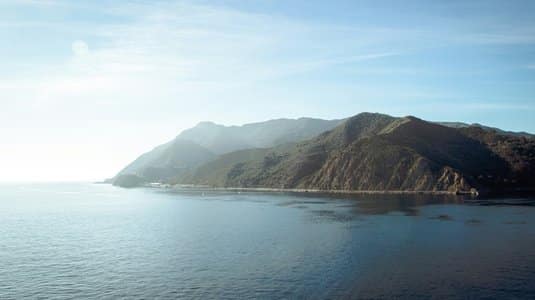
When city life gets overwhelming, one of the best things to do in Los Angeles is to hop the ferry to Santa Catalina Island. This dreamy spot just offshore feels like a different world: crystal-clear coves, quaint harbors, star-filled skies, and endless options for kayaking, hiking, or simply relaxing on the sand. Catalina’s blend of adventure and classic California charm makes it a top pick for romantic getaways, family outings, or solo day trips from LA. Come for the views—stay for the laid-back island magic.

Coastal cliffs of Santa Catalina Island, an adventurous thing to do near Los Angeles.

Why We Love It

  • Island adventure: Just 22 miles from the Southern California coast, Catalina mixes Mediterranean vibes with easygoing SoCal energy.
  • Quaint harbors & wild heart: Stroll Avalon’s waterfront, then wander into the island’s untamed interior where bison roam and native foxes dart across the trails.
  • Vivid marine life: Kayak or snorkel through kelp forests packed with bright orange Garibaldi, rays, and playful sea lions.
  • Sky full of stars: Catalina’s nights are a stargazer’s dream—little light pollution, just a sky full of possibilities.

Visitor Insights

  • Best timing: Spring and fall mean milder weather and fewer crowds; midweek is especially peaceful.
  • Underwater wonders: Snorkeling at Lover’s Cove or Casino Point means clear water and vibrant marine life—early mornings are calmest.
  • Epic hikes: The Trans-Catalina Trail winds through wild ridges and hidden coves—hike a segment or take on the full 38.5 miles for a real adventure.
  • Signature thrills: Try zip-lining above Descanso Canyon for sweeping ocean views and a proper adrenaline rush.

  • Trailhead location: The adventure starts with a high-speed ferry from Long Beach, San Pedro, Dana Point, or Newport Beach—most crossings take about an hour.
  • Parking: You’ll find paid parking at all mainland ferry terminals. Once on the island, there are no personal vehicle rentals—golf carts, bikes, and shuttles are the way to go.
  • Permits or fees: No permit is needed to visit Avalon or Two Harbors. For interior hikes or camping, you’ll need a permit from the Catalina Island Conservancy.
  • Opening/closing times: Ferries run daily year-round, with extra trips during summer. Most of Avalon’s businesses and attractions open mid-morning and wind down by evening.
  • Public transport: Avalon is easy to explore on foot, but there are also shuttle buses and golf cart rentals. To reach the island’s wilder side, join a guided eco tour, hop on a shuttle, or set out on foot.

Where can I explore tide pools, hidden coves, & stunning ocean views close to LA?

Palos Verdes Peninsula (Abalone Cove & Coastal Trails)

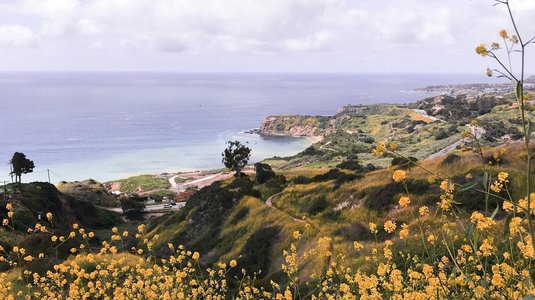
Ready for jaw-dropping scenery just minutes from the city? The Palos Verdes Peninsula is a local secret—and a must for anyone searching for scenic places in Los Angeles. With cliffside trails, hidden beaches, and hills covered in wildflowers, this is easily one of the best coastal hikes in LA. It’s a dream for tide poolers, ocean photographers, and anyone who loves a wild escape close to home. Abalone Cove is my go-to for peaceful afternoons, blending adventure and tranquility with ease.

Wildflowers on the Palos Verdes Peninsula overlooking the ocean—scenic things to do around Los Angeles.

Why We Love It

  • Dramatic coastline: Towering cliffs and rocky headlands drop into brilliant blue water for a truly cinematic setting.
  • Hidden coves: Secluded spots like Abalone and Sacred Cove offer peaceful escapes just beyond the city’s edge.
  • Tide pool wonder: Abalone Cove’s tide pools are bursting with anemones, sea stars, and crabs—nature’s aquarium at your feet.
  • Ocean wildlife: Spot dolphin pods offshore and migrating gray whales in winter—there’s always something wild to see.

Visitor Insights

  • Best timing: Low tide is key for tide pooling and cave photos—check daily tide charts before you go.
  • Quiet moments: Weekday mornings mean emptier trails and peaceful coves; sunset along the bluffs is pure magic for golden-hour photos.
  • Natural spectacle: From December to March, Point Vicente is the place for whale watching—sometimes with volunteers on-site to share sightings.
  • Scenic variety: For an accessible walk, the Palos Verdes Bluff Trail is paved and offers big ocean views without the climb.

  • Trailhead location: Main access is from Abalone Cove Shoreline Park, off Palos Verdes Drive South—easy to find by GPS and well-signed.
  • Parking: Paid lot at Abalone Cove ($6–$12, card only); fills quickly on weekends and holidays. Limited street parking is nearby.
  • Permits or fees: No permit needed for hiking—just pay for parking in the lot.
  • Opening/closing times: Abalone Cove Park is open daily, usually 9 a.m. to sunset. Trails close at dusk and after storms for safety.
  • Public transport: No direct public transit—car or rideshare is best. The nearest Metro bus stops are several miles away.

Urban Wilds: City Parks & Secret Gardens

You’ll find the best urban nature escapes in Los Angeles at city parks like Griffith Park, Kenneth Hahn State Recreation Area, and hidden gardens scattered throughout the city. These spots blend city skylines with peaceful green space, offering everything from rugged hikes to quiet garden walks and even local wildlife sightings. For more classic city experiences, don’t miss our guide to the
Top 10 Iconic Things to Do in Los Angeles—packed with LA’s best landmarks and urban adventures.


What’s the best place in LA for hiking & iconic city views?

Griffith Park

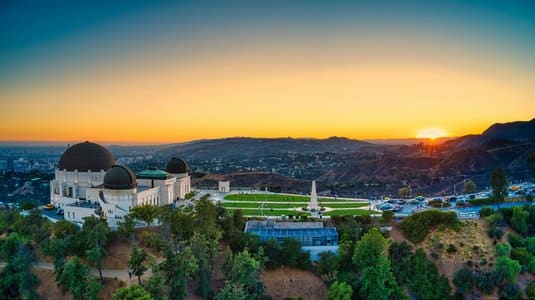
No roundup of things to do in Los Angeles is complete without Griffith Park. Sprawling over 4,000 acres, this urban playground is more than just the iconic Observatory—it’s packed with hiking trails, hidden canyons, and some of the best city views around. It’s my favorite spot to combine outdoor adventure with a little classic Hollywood magic. Whether you’re in the mood for a laid-back picnic, a family outing, or a sunset hike, Griffith Park has something for everyone. This is where LA’s wild side meets city energy, all in one unforgettable setting.

Sunset view of Griffith Observatory, one of the best things to do in Los Angeles for city views and hiking

Why We Love It

  • Colossal city wilderness: Spanning 4,210 acres, Griffith Park is the largest urban municipal park in the U.S.—wild hills and oak-filled canyons just minutes from downtown LA.
  • Hidden wildlife: Dozens of trails wind through quiet thickets where deer, coyotes, and even the occasional bobcat roam—every walk is a fresh discovery.
  • Landmarks in the wild: The Griffith Observatory, Greek Theatre, and the old L.A. Zoo bring quirky Hollywood history to your outdoor adventure.
  • City-meets-nature views: Climb just a little for big vistas—on a clear day, you’ll spot downtown skyscrapers, the Hollywood Sign, and sometimes even the Pacific.

Visitor Insights

  • Best timing: Early mornings or weekdays mean peaceful trails and cooler temps. Weekends and afternoons can get busy near the big landmarks.
  • Iconic hikes: Catch sunset from Mt. Hollywood for glowing city lights and mountains bathed in purple—unforgettable for photos.
  • Hollywood Sign moments: Hike the Brush Canyon Trail to stand right behind the Hollywood Sign and soak up sweeping LA views.
  • Family adventures: From Travel Town’s vintage trains to the L.A. Zoo and Fern Dell’s shady creek walk, there’s plenty for all ages to explore.

  • Trailhead location: Multiple entrances are well-marked off Los Feliz Blvd, Vermont Ave, and Western Ave. GPS works for trailheads like the Observatory, Fern Dell, or Old Zoo.
  • Parking: Most areas offer free parking. The Observatory lot charges a fee and fills up quickly on weekends, but the DASH shuttle is a convenient alternative from Metro stations.
  • Permits or fees: No entry fee for the park or most attractions; pay for parking at the Observatory and Greek Theatre. Day hikes don’t need a permit.
  • Opening/closing times: Open daily, sunrise to sunset. Observatory hours vary—check ahead for exhibits or special events.
  • Public transport: Metro Red Line stops at Vermont/Sunset, and the DASH shuttle gets you up the hill. Most trails are accessible by car, rideshare, or transit—just know some remote spots may mean a short walk.

Where can I hike, people watch, & catch sunrise views?

Runyon Canyon Park

Looking for an outdoor activity in Los Angeles that’s just as much about people-watching as it is about panoramic views? Runyon Canyon is an LA classic. Set right in the Hollywood Hills, it’s famous for sunrise and sunset hikes, a social vibe, and those million-dollar views from the top. It’s also one of the best dog-friendly hikes in Los Angeles—don’t be surprised if you spot a celebrity or two with their pups. If you want that quintessential LA mix of fitness, fresh air, and big scenery, Runyon delivers.

Hiker enjoying sunrise from a bench at Runyon Canyon, a top outdoor thing to do in Los Angeles.

Why We Love It

  • Epic city views: Ridgeline trails serve up sweeping panoramas from Downtown LA to the Pacific—all with a signature Hollywood backdrop.
  • Quintessential LA scene: Joggers, yoga fans, off-duty celebs—people-watching here is a full-blown activity.
  • Dog-lover’s paradise: With 90 of its 160 acres off-leash, it’s heaven for pups and social butterflies alike.
  • Accessible escape: Minutes from Hollywood, Runyon is the quickest way to swap city stress for a wild-feeling landscape.

Visitor Insights

  • Best timing: Go early or in the late afternoon for cooler temps, soft light, and lighter crowds—weekends get lively fast.
  • Summit moments: Sunrise or sunset hikes to Clouds Rest mean golden city views and a vibrant communal energy.
  • Yoga with a view: Sometimes the old yoga area near the Fuller entrance revives for group sun salutations—peak LA vibes.
  • Social spirit: Don’t be surprised if you’re offered a photo, a hiking tip, or even catch live music at the summit—this is a trail with personality.

  • Trailhead location: Main entrances are at Fuller Ave (south end in Hollywood) and Mulholland Drive (north end). Both are easy to spot—Fuller is the most popular starting point.
  • Parking: Street parking is free but extremely limited. Arrive very early or use a rideshare—there’s no official lot for the park.
  • Permits or fees: No entry, parking, or hiking fees—just show up and go.
  • Opening/closing times: Open daily from sunrise to sunset. No overnight access.
  • Public transport: The closest Metro stop is Hollywood/Highland, about a mile’s walk from the Fuller entrance. Rideshares are a common and easy option.
  • Trail notes: The main loop is 2–3 miles, with a wide fire road and some steeper, narrow side trails. There are no restrooms or water fountains—bring water and sun protection. Not wheelchair accessible due to steep grades.

Where can I find sweeping city views & peaceful gardens right in LA?

Kenneth Hahn State Recreation Area

Hidden in plain sight, Kenneth Hahn Park is a lush, green oasis with some of the best views in Los Angeles—stretching from the skyline to the mountains, and even out to Catalina Island on a clear day. It’s my go-to for family-friendly outdoor activities in Los Angeles: fishing, playgrounds, peaceful gardens, and easy walking trails, all in one spot. Whether you’re chasing a sunset, hoping for spring wildflowers, or just need a quiet afternoon surrounded by nature, this park delivers a breath of fresh air in the middle of the city.

Downtown Los Angeles skyline with mountains and full moon, as seen from Kenneth Hahn Park—unique things to do in Los Angeles

Why We Love It

  • Urban oasis: Over 400 acres of lawns, native gardens, and shady picnic spots—an island of green in South LA.
  • Epic city views: High on the Baldwin Hills, you’ll get sweeping vistas of the Hollywood Sign, downtown skyline, and even Catalina Island.
  • Nature thrives: Restored habitats welcome hawks, hummingbirds, turtles, and even the occasional mule deer.
  • All-ages adventure: From fishing and playgrounds to lotus ponds and Japanese gardens, everyone finds their happy place here.

Visitor Insights

  • Best timing: Late afternoon is magic for sunset photography—watch city lights glow as the sky turns pink over the Santa Monica Mountains.
  • Spring blooms: Cherry blossoms and lotus flowers burst to life in the park’s gardens, especially March through May.
  • Birdwatcher’s delight: Early mornings bring a chorus of songbirds—prime time for spotting hummingbirds in the native gardens.
  • Stairway challenge: Just next door, the Baldwin Hills Scenic Overlook stairs (282 steps) offer a fun, heart-pumping climb with a huge scenic payoff at the top.

  • Trailhead location: Main entrance off La Cienega Blvd—look for the signs. All main areas are accessible by car and well-marked once inside.
  • Parking: Paid parking is $7 per vehicle on weekends and holidays, free on weekdays (subject to change). Lots are near picnic areas, the lake, and gardens.
  • Permits or fees: No entry fee beyond parking. Fishing in the lake is permit-free for kids; adults should check local rules.
  • Opening/closing times: Open daily, sunrise to sunset. Gates close strictly at sunset.
  • Public transport: The Park to Playa shuttle connects from the Expo/La Cienega Metro station to stops inside the park on weekends. Most areas are reachable by paved paths; some remote corners may require a short walk.

Nature & Hiking in Los Angeles: FAQ

Many of the best hiking trails near Los Angeles are accessible for beginners and families. Favorites include Griffith Park’s Fern Dell Trail, Solstice Canyon in Malibu, and the Eaton Canyon Falls Trail in the San Gabriel Mountains. These offer gentle elevation, scenic views, and a taste of LA’s wild side—all within easy reach of the city.

For amazing tide pools and marine life, head to Abalone Cove Ecological Reserve in Palos Verdes or Leo Carrillo State Beach in Malibu. At low tide, you’ll discover sea stars, anemones, crabs, and more. Always check tide charts and visit at low tide for the best experience. For tide safety tips and updates, visit the California State Parks official website.

Most LA parks and hiking areas don’t require permits for day hikes, but parking rules vary. For example, the Angeles National Forest requires an Adventure Pass for most trailhead parking. City parks like Griffith Park have free entry but charge for parking near major attractions. Always check park rules before your trip; for federal land info, see the Angeles National Forest website.

Wildlife sightings are common on LA’s nature trails. Keep your eyes out for mule deer, coyotes, lizards, hawks, and even the occasional bobcat. Top spots include the Santa Monica Mountains, Griffith Park, and Kenneth Hahn Park—especially during early mornings or just before sunset.

Spring (March through May) is prime time for wildflowers and green hills across Los Angeles parks and trails. Popular wildflower hotspots include the Santa Monica Mountains, Baldwin Hills, and Palos Verdes Peninsula. After a rainy winter, you might even catch a “super bloom” in the region.

While many of LA’s top nature spots are easiest by car, you can reach some by public transit. Metro Red Line and DASH shuttles serve Griffith Park and the Observatory, and Metro buses reach parts of Topanga Canyon and Baldwin Hills. For park locations and transit planning, use the LA County Trails official site.
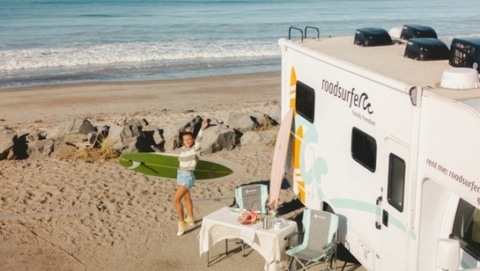

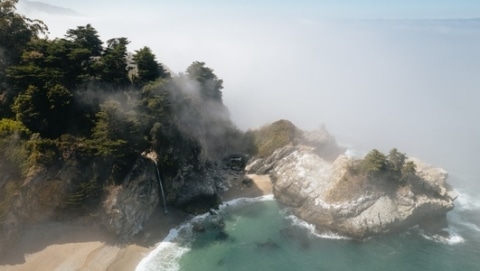
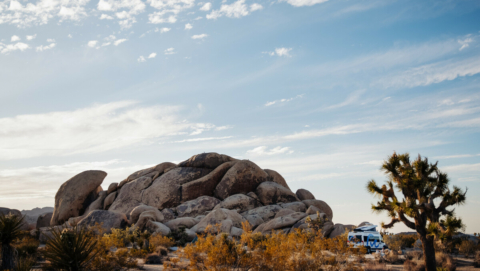
Two women stand with surboards

Your LA nature adventure starts here.

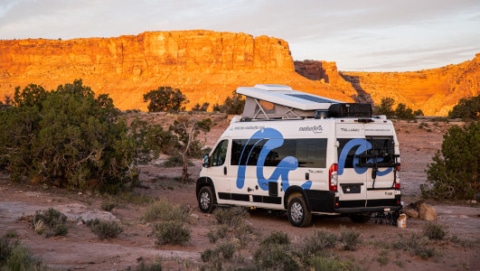
Start Your LA Nature Escape with roadsurfer

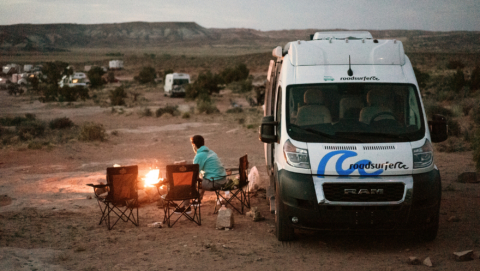
Book your RV in Los Angeles and set out for wild escapes, scenic hiking trails, and endless ocean views. From city parks to mountain summits, explore the best of Southern California at your own pace with roadsurfer.

Book your trip from Los Angeles