Travel Smart


Choosing between a Class B and Class C RV can shape your entire trip—but the differences aren’t always obvious. In this guide, we’ll break down what sets them apart, who they’re best for, and how to find the right fit for your travel style. Whether you’re a first-time renter or a seasoned road tripper, you’ll get clear, real-world advice to help you hit the road with confidence.
Class B and Class C RVs are among the most popular rentals, but they deliver very different experiences. Class B models are nimble and compact, often built on a Sprinter or camper van chassis. Class C RVs feel more like traditional motorhomes, with extra space and defined living zones. Still deciding if RV travel is worth it? Our RV rental vs. hotel cost comparison shows how budget-friendly it can be—especially for families or small groups.
Before diving into the differences, here’s the baseline: RV stands for “recreational vehicle,” a motorized or towable setup with built-in living space.

RV stands for “recreational vehicle.” It refers to a motorized or towable vehicle that includes living accommodations like a bed, kitchen, and bathroom — basically a compact home on wheels. RVs come in a range of styles and sizes, but the most common rental options are motorized: Class A, Class B, and Class C. In this guide, we’ll focus on the two most popular and beginner-friendly types: Class B and Class C.
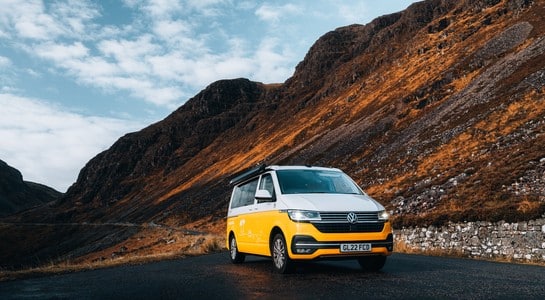
A Class B RV is a compact, van-style motorhome that’s easy to drive and built for flexibility. Most ride on a Mercedes-Benz Sprinter or Ram ProMaster chassis and pack a bed, kitchenette, and bathroom into a sleek layout.
They’re a great fit for solo travelers or couples who want to park almost anywhere and avoid the bulk of a larger motorhome. Depending on the chassis and layout, the experience can vary—which leads to the two main styles.

Class B RVs generally fall into two styles: camper vans and Sprinter vans. Both include full living spaces, but their shape and build make them suited for different kinds of trips.
Camper vans are smaller and easy to maneuver—great for everyday drives, weekend escapes, or exploring tighter roads. Sprinter vans are taller and more spacious, designed for travelers who want extra comfort, storage, and features for longer adventures or off-grid travel.
| Feature | Camper Van | Sprinter Van |
|---|---|---|
| Interior Space | Compact, efficient layout | Taller roof, slightly more room |
| Driving Feel | Easy, car-like handling | Larger but still maneuverable |
| Off-Grid Ready | Basic battery and tank setup | Often includes solar and larger tanks |
| Interior Finish | Functional, streamlined | Premium materials and finishes |
| Best For | Flexible road trips (1–2 weeks) or city trips, couples | Longer or remote trips, digital nomads |
A Class C RV is a mid-sized motorhome with more space and comfort than a van-style RV. Built on a truck or van cutaway chassis, it usually includes a bed over the cab, a full kitchen, a bathroom with a shower, and separate areas for lounging and dining.
Depending on the layout, Class C RVs can sleep 3–6 people. That makes them versatile for couples who want more room, or families and small groups who need extra space to settle in. If a Class B feels like a sleek hotel room on wheels, a Class C has the feel of a cozy cabin with space to spread out.

The main differences come down to size, space, and travel style. Class B RVs are compact and easy to drive—great for city streets, tight roads, or quick getaways.
Class C RVs offer more room to move, extra storage, and additional sleeping areas, making them better for families or longer stays. Choosing between them depends on how much space you need and how you like to travel.
| Feature | Class B RV (Camper Van / Sprinter) | Class C RV |
|---|---|---|
| Size | Compact (18–22 ft) | Mid-size (22–32 ft) |
| Driving Feel | Car-like and easy to handle | Drives smoothly, but requires more space to maneuver |
| Sleeping Capacity | Sleeps 2–4 (varies by model) | Sleeps 3-6 |
| Interior Layout | Open layout, multipurpose areas | Defined zones for sleeping, dining, lounging |
| Bathroom Setup | Wet bath (shower + toilet combined) | Full bathroom with separate shower and toilet |
| Storage Space | Minimal and efficient | Ample cabinets, undercarriage storage |
| Ideal For | Couples, duos, small families, solo travelers | Families, small groups, longer trips |
| Ease of Setup | Very simple—park and go | May involve setup at camping spots |
Booking an RV with roadsurfer is simple: pick your station, choose a model, set your dates, and reserve online in a few clicks. Every rental comes with unlimited mileage, a kitchen setup, outdoor furniture, and a pickup walkthrough so you’re ready to drive with confidence.
That leaves one common question for first-timers: do you need a special license to drive one?
No — you don’t need a special license to drive a Class B or Class C RV. As long as the vehicle is under 26,000 pounds — which most are — a standard U.S. driver’s license is valid in all 50 states. According to the Federal Motor Carrier Safety Administration (FMCSA), special licensing is typically only required for heavier commercial vehicles or oversized RVs, like certain Class A motorhomes.
Choosing between a Class B and Class C RV isn’t just about size — it’s about how you want to experience the road. Class B RVs give you the freedom to move spontaneously, slip into smaller spaces, and chase a different view every night. Class C RVs offer room to unwind, stretch out, and enjoy a slower rhythm with the people you’re traveling with. Both deliver comfort, both deliver adventure — the right choice depends on whether you want to roam light or settle in.
Check out our blog for expert tips and guides



Travel smarter with roadsurfer.
Trusted by thousands of travelers worldwide.
✓ Backed by 15,000+ Google reviews
✓ Built for families, couples & adventurers
✓ Inspiration & exclusive deals for subscribers