9 Beautiful National Parks in California to Visit

Discover All of California’s National Parks

From golden deserts to misty redwood forests, California’s nine national parks showcase some of the most breathtaking natural diversity in the U.S.—and this guide covers them all. There’s no better way to explore than on an RV trip: start with an RV rental in San Francisco or our Los Angeles station and hit the road to experience rare ecosystems, dramatic landscapes, and once-in-a-lifetime outdoor adventures. Below, you’ll find every national park in California—each one unique, and all worth the journey.

Yosemite National Park

Towering Cliffs, Roaring Waterfalls, and Alpine Meadows

Yosemite is California’s crown jewel—where granite walls, roaring waterfalls, and alpine valleys create postcard views in every direction. For an overnight RV trip, stay at Wawona Campground, a riverside RV camping spot close to Yosemite Valley and Glacier Point.

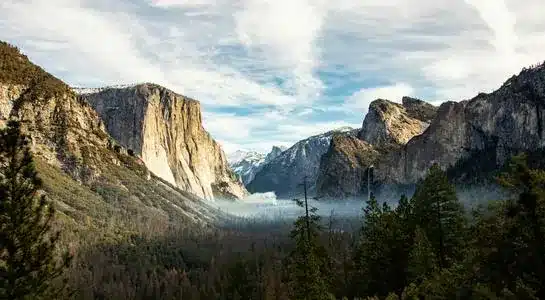
Expansive view of Yosemite Valley with El Capitan and Half Dome from Tunnel View
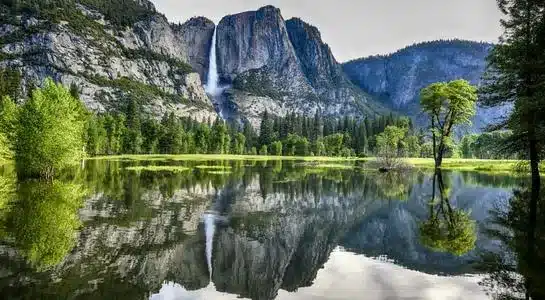
osemite Falls reflected in a calm meadow pool surrounded by green trees
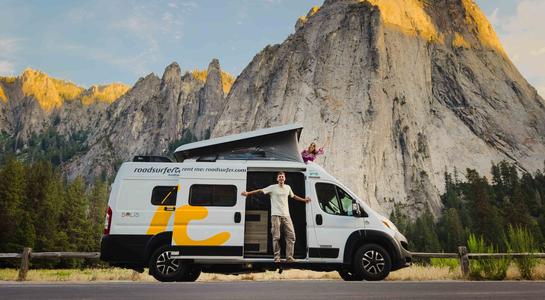
RV parked beneath towering granite cliffs in Yosemite National Park in California, a top destination for hiking and climbing.

Waterfall hikes

Activities

Granite cliffs

Setting

Half Dome

Highlight

Summer & Fall

Best season

Why We Love It

  • Epic landmarks: Half Dome, El Capitan, and Yosemite Falls rise dramatically within easy reach of the valley floor.
  • Year-round variety: Spring brings roaring waterfalls, summer offers alpine trails, fall glows with color, and winter turns the park into a snowy wonderland.
  • Trail mix: Choose from short, family-friendly walks to challenging backcountry climbs that test your legs and reward with sweeping views.
  • Valley camping: Few places let you pitch a tent or park your RV beneath cliffs this iconic, with nature and history all around you.

Parking & Access

  • Campgrounds: 10 campgrounds accept RVs; Wawona, North Pines, and Upper Pines are popular. Reservations are required spring–fall.
  • RV size limits: Most camps fit RVs up to 35 ft; a limited number of sites allow up to 40 ft. Trailers are capped around 35 ft.
  • No hookups: Yosemite campgrounds don’t offer electric, water, or sewer hookups. Some have potable water and dump stations.
  • Seasonal roads: Tioga Road and Glacier Point Road usually open late May and close by November, depending on snowpack.


Joshua Tree National Park

Best Stargazing and Desert Landscapes

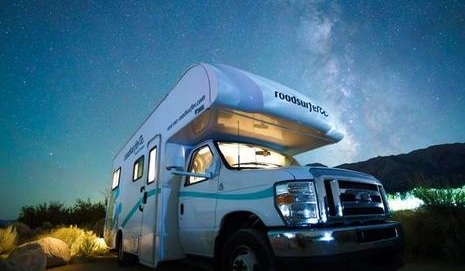
Joshua Tree feels like another world—spiky trees, giant boulders, and night skies so clear the Milky Way steals the show. For the best basecamp, we recommend Black Rock Campground, where you can hike from camp by day and stargaze by night.

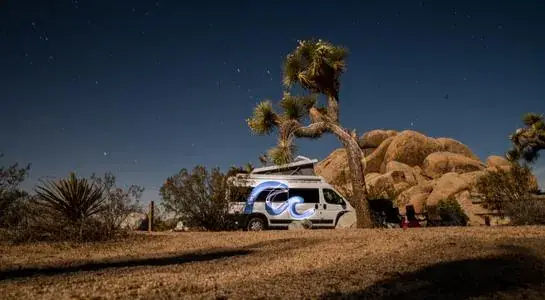
RV parked beside Joshua trees and boulders under a starry desert sky
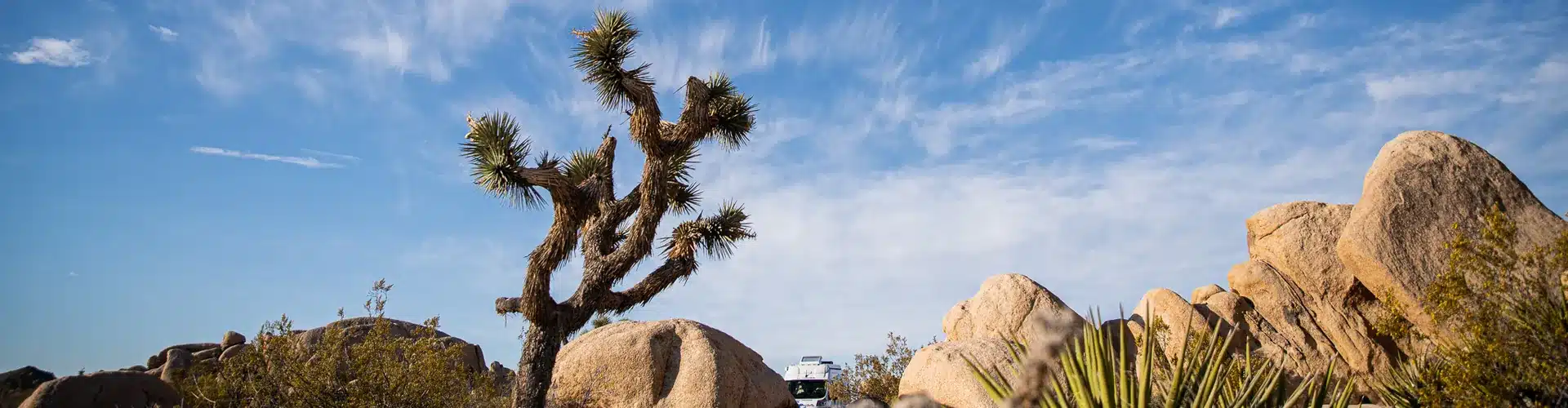
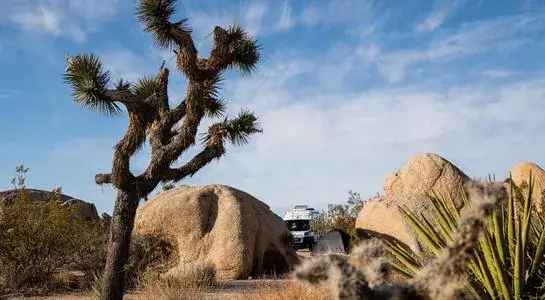
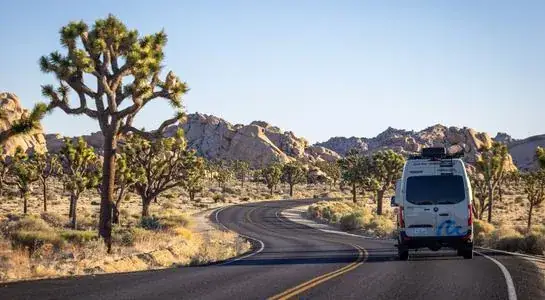
RV parked among Joshua trees and giant rock formations in the desert landscape

Climbing & hikes

Activities

Starry desert skies

Setting

Joshua trees

Highlight

Fall & Spring

Best season

Why We Love It

  • Desert crossroads: Where the Mojave and Colorado deserts meet, the park blends rare plants, rugged boulders, and surreal desert gardens.
  • Dark sky haven: With almost no light pollution, the Milky Way blazes overhead and stargazing feels otherworldly.
  • Iconic landscapes: Jumbo boulders, spiky Joshua trees, and glowing cactus gardens create a backdrop unlike anywhere else in California.
  • Photographer’s dream: Sunrise, sunset, and night skies all paint the desert in colors that change by the hour.

Parking & Access

  • Main entrances: West (Joshua Tree town), North (Twentynine Palms), and South (Cottonwood) are all RV-friendly.
  • RV parking: Lots at Hidden Valley, Skull Rock, and Cholla Cactus Garden can handle smaller to mid-size RVs; longer rigs may be limited.
  • Overnight stays: Only in designated campgrounds such as Black Rock or Cottonwood; no sleeping in vehicles outside campgrounds.
  • Amenities: Most campgrounds are primitive; Cottonwood and Black Rock have potable water and dump stations. Bring extra water supplies.


Death Valley National Park

Extreme Landscapes and Otherworldly Views

Death Valley is the hottest, driest, and lowest park in the U.S.—but also one of the most spectacular. From Badwater Basin’s salt flats to Zabriskie Point’s golden ridges, every view feels surreal. For RV camping, we recommend Death Valley RV Campground, a comfortable base with full access to the park’s highlights.

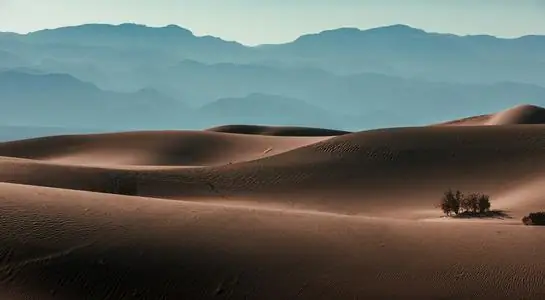
Rolling sand dunes with mountain backdrop in Death Valley National Park
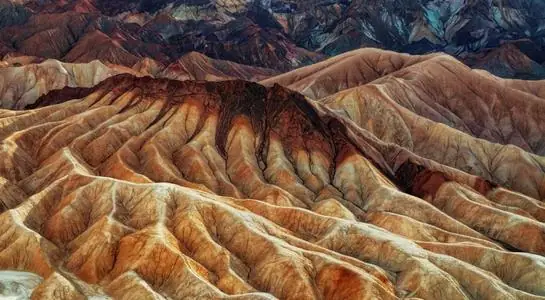
Striking badlands at Zabriskie Point in Death Valley National Park

Scenic drives

Activities

Extreme desert

Setting

Badlands & dunes

Highlight

Winter

Best season

Why We Love It

  • Extreme contrasts: From vast salt flats to slot canyons, rolling dunes, and 11,000-foot peaks, the park is a desert of extremes.
  • Mirage landscapes: Iconic spots like Badwater Basin, Zabriskie Point, and Artist’s Drive shift dramatically with light and shadow.
  • Wildflower surprises: In rare wet springs, carpets of gold, purple, and pink blooms transform the desert floor.
  • Night and sunrise magic: Silence and pastel light make dawn and stargazing some of Death Valley’s most unforgettable experiences.

Parking & Access

  • Hookup options: Furnace Creek has ~18 full-hookup sites; Stovepipe Wells and Panamint Springs also serve RVs.
  • RV size limits: Some campgrounds (like Mahogany Flats, Wildrose, Thorndike) cap rigs at ~25 ft; others fit larger RVs.
  • Seasonal closures: Summer is dangerously hot; many sites go first-come, first-served from mid-April to early October.
  • Amenities: A few campgrounds have hookups; most are primitive with only toilets and basic water. Always bring extra.


Kings Canyon National Park

Glacier-Carved Walls, River Miles, and Quieter Trails

Kings Canyon trades crowds for depth—granite cliffs, roaring rivers, and meadows tucked far from the highway. Grant Grove gives you giant sequoias without the rush, while the Cedar Grove area (seasonal access) drops you into one of North America’s deepest canyons. You’ll find RV-friendly camping spots near Grant Grove and along the South Fork Kings River.

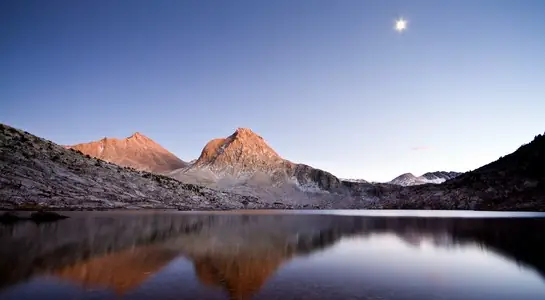
Still alpine lake reflecting Sierra Nevada peaks at dusk in Kings Canyon National Park
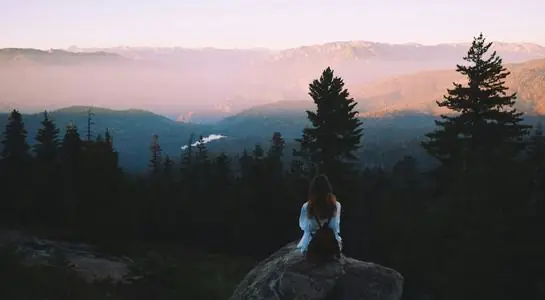
Visitor sitting on a rock overlooking mountain valleys in Kings Canyon National Park

Canyon hikes

Activites

Alpine wilderness

Setting

Granite walls

Highlight

Summer & Fall

Best season

Why We Love It

  • Grant Grove giants: Walk among towering sequoias, including the General Grant Tree—nicknamed the Nation’s Christmas Tree—and nearby centuries-old elders.
  • Canyon immersion: In Cedar Grove, sheer granite walls and the constant rush of the Kings River create a raw, untamed atmosphere.
  • Calmer pace: With fewer crowds and tour buses, the park feels slower, quieter, and more personal to explore.
  • Perfect pair: Easy to combine with Sequoia on one trip, but Kings Canyon rewards a full day with its own trails, views, and hidden corners.

Parking & Access

  • Highway 180: Main entry from Fresno to Grant Grove; the road beyond to Cedar Grove typically closes in winter.
  • Grades & curves: Mountain driving with steep sections—downshift early and take it slow in larger RVs.
  • Campgrounds: Azalea (Grant Grove area) plus Cedar Grove’s seasonal campgrounds offer potable water and flush toilets; no hookups.
  • Reservations: Peak season books up on Recreation.gov; some first-come options may operate in shoulder seasons.


Redwoods National Park

Giant Trees, Misty Forests, and Coastal Views

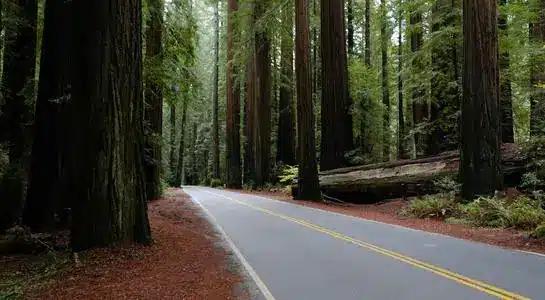
Redwood National and State Parks are a world of giants—trees soaring over 300 feet, fern-carpeted trails, and fog rolling in from the Pacific. RV camping here means shaded forest sites close to hikes like Fern Canyon and Prairie Creek, where streams, ferns, and light through the canopy make every step feel magical.

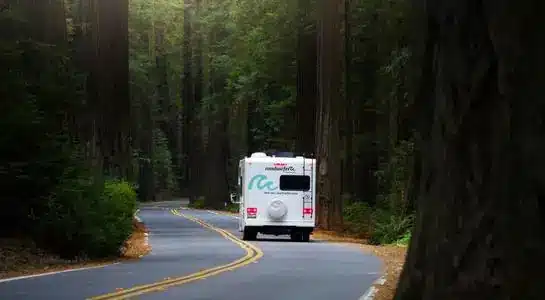
RV driving through the scenic forest roads of Redwood National Park in California surrounded by giant redwoods.
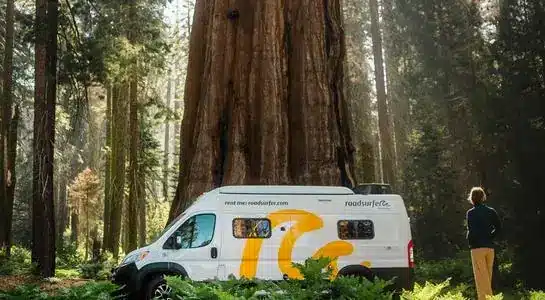
roadsurfer RV parked under towering a redwood national park on a Seattle to San Francisco road trip
Scenic road winding through towering redwood trees in Redwood National Park

Hiking & drives

Activities

Coastal forests

Setting

Tallest trees

Highlight

Summer

Best season

Why We Love It

  • Towering redwoods: Trees soaring over 300 feet create a cathedral-like atmosphere of shade and stillness.
  • Coast-meets-forest: Wander fern-lined trails, misty bluffs, and river paths all within the same park.
  • Wildlife & solitude: Spot Roosevelt elk in open meadows, seabirds along the coast, and enjoy quiet forest walks outside peak season.
  • Fern Canyon & creek walks: Step into a lush, narrow canyon where ferns blanket the walls and streams cut across the trail.

Parking & Access

  • Campground size limits: RVs typically max around 24–28 ft; trailers must be smaller. Fit depends heavily on campsite layout.
  • No hookups: Developed campsites have toilets, seasonal showers, and food lockers—but no full hookups.
  • Reservations needed: Summer sees high demand; book early through ReserveCalifornia.
  • Road advisories: Some scenic drives are unpaved or narrow, and RVs or trailers may be prohibited.


Lassen Volcanic National Park

Boiling Mud Pots, Steam Vents, and Active Volcanoes

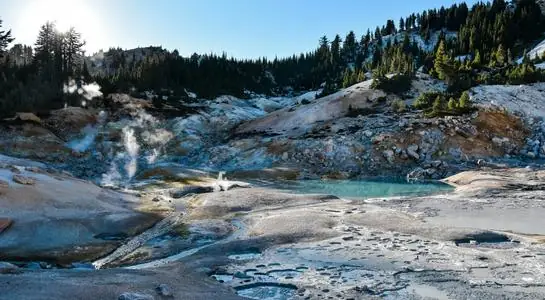
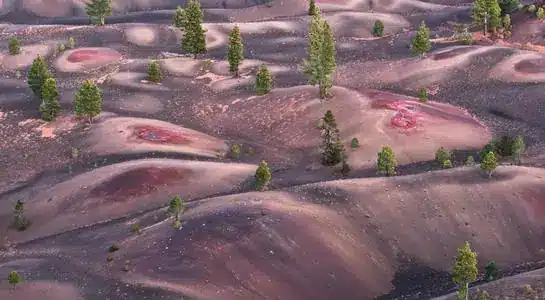
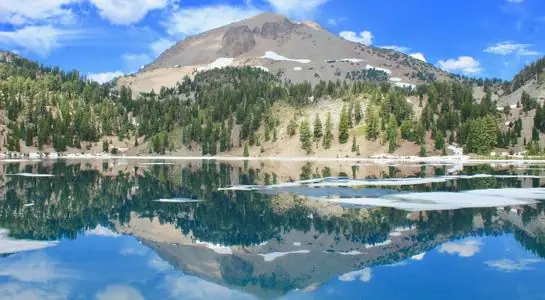
Lassen Volcanic National Park is a geothermal wonderland—mud pots bubble, steam vents hiss, and Lassen Peak towers above alpine lakes. It’s the only U.S. park with all four types of volcanoes in one place, and summer RV trips bring the best access to trails like Bumpass Hell and Sulphur Works.

Summit trails

Activities

Volcanic terrain

Setting

Hydrothermal pools

Highlight

Summer

Best season

Why We Love It

  • Four volcano types: Lassen is the only place in the U.S. where cinder cones, plug domes, shield, and stratovolcanoes all rise in one park.
  • Geothermal spectacle: Wander past boiling mud pots, hissing fumaroles, and the steaming pools of Bumpass Hell and Sulphur Works.
  • High country beauty: Alpine lakes, wildflower meadows, and sweeping views from Lassen Peak showcase the Sierra-Cascade highlands.
  • Peace & solitude: With fewer crowds than Yosemite or Sequoia, the park feels like California’s quiet volcanic frontier.

Parking & Access

  • Campgrounds & reservations: The park has 8 campgrounds; most require advance booking via Recreation.gov. Some small campgrounds are first-come, first-served.
  • RV size & hookups: RVs up to about 35 ft are allowed in many campgrounds, but there are no full hookups inside the park.
  • Road conditions: Highway 89 through the park often stays closed by snow until June; geothermal sites like Bumpass Hell open only when trails are cleared.
  • Amenities: Manzanita Lake Campground offers potable water, showers (seasonal), a camp store, and nearby visitor centers. Remote campgrounds like Butte Lake are more primitive.


Sequoia National Park

The World’s Biggest Trees and Sierra Granite

Sequoia is where giant sequoias meet high-country trails—think towering trunks, polished granite, and cool alpine air. You’ll find RV-friendly camping spots near Giant Forest and along the Middle Fork Kaweah, with sunrise light pouring through 250-foot trees.

Towering giant sequoias reaching toward the sky in Sequoia National Park
Vibrant sunset casting colorful light over the forested landscape of Sequoia National Park

Forest walks

Activities

Towering groves

Setting

Giant sequoias

Highlight

Summer & Fall

Best season

Why We Love It

  • General Sherman: Stand beneath the largest tree on Earth, reached by a short and accessible walk through Giant Forest.
  • Variety in a day: Wander sequoia groves, climb granite domes, and cool off by mountain rivers—all within a short drive.
  • High-altitude nights: Crisp mountain air and dark skies make stargazing here unforgettable.
  • Quiet shoulders: Visit in late spring or fall for cooler temps, open trails, and fewer crowds.

Parking & Access

  • Generals Highway: Steep, winding grades; winter snow and chain controls are common.
  • RV handling: The Hospital Rock → Giant Forest climb is tight; longer rigs struggle—check NPS advisories before you go.
  • Campgrounds: Lodgepole (central, services) and Potwisha (lower elevation, milder in shoulder seasons) have potable water and flush toilets; no hookups.
  • Reservations: Peak season fills fast on Recreation.gov; some sites operate year-round weather permitting.

  • General Sherman & Congress Trail: A classic loop through cathedral-like groves.
  • Moro Rock: Short stair climb to sweeping Sierra views.
  • Tokopah Falls: Gentle riverside hike from Lodgepole to a granite amphitheater.
  • Tunnel Log drive-through: Fun photo stop when the road is open (seasonal).

Pinnacles National Park

Cliffside Hikes, Lava Formations, and Rare Wildlife

Pinnacles National Park is California’s hidden gem—volcanic spires, talus caves, and condors soaring above the cliffs. Quieter than Yosemite or Sequoia, it’s a perfect stop for spring wildflower hikes, shady creekside walks, and rugged climbs to panoramic views.

Towering rock spires at Pinnacles National Park with visitors exploring
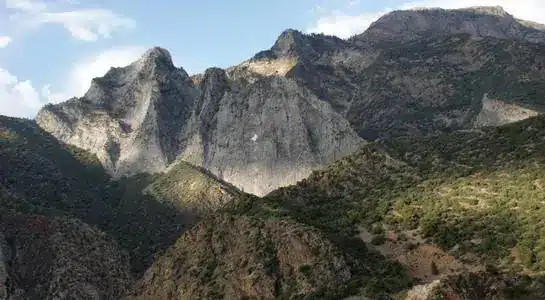
Sunset light over rugged rock formations in Pinnacles National Park

Cave hikes

Activities

Rugged canyons

Setting

Rock spires

Highlight

Spring & Fall

Best season

Why We Love It

  • Volcanic drama: Jagged spires, cliffs, and caves formed by ancient lava flows create a landscape unlike anywhere else in California.
  • Condor country: Pinnacles is one of the best places to see endangered California condors soaring above the peaks.
  • Diverse trails: Explore shady creekside paths, squeeze through talus caves, or climb steep switchbacks to panoramic vistas.
  • Peaceful escapes: Smaller crowds make it a quieter alternative to Yosemite or Sequoia, with scenery just as rewarding.

Parking & Access

  • East entrance: Best for RVs and trailers—roads are wider and gentler than the west side.
  • Pinnacles Campground: Offers RV sites with 30-amp hookups, potable water, and a dump station.
  • Reservations: Campsites often sell out in spring; book ahead on Recreation.gov.
  • Amenities: Flush toilets, seasonal showers, a camp store, and even a swimming pool.

  • Balconies Cave: Scramble through a canyon of giant boulders with flashlight in hand.
  • Bear Gulch Cave & Reservoir: Family-friendly cave hike ending at a peaceful mountain pool.
  • High Peaks Trail: A strenuous climb with breathtaking views of volcanic spires.
  • Spring wildflowers: March–May brings brilliant color to meadows and hillsides.

Channel Islands National Park

Island Adventures from Your RV Basecamp

Just off the Southern California Coast, Channel Islands National Park is wild and untouched—earning its nickname, the “Galapagos of North America.” You can’t camp there with an RV, but it’s a perfect stop on an RV trip: enjoy coastal RV camping in Ventura, then ferry out for a day of island hikes, wildlife, and sea caves. Afterward, unwind at Ventura Beach, where the shoreline is as relaxing as the islands are rugged.

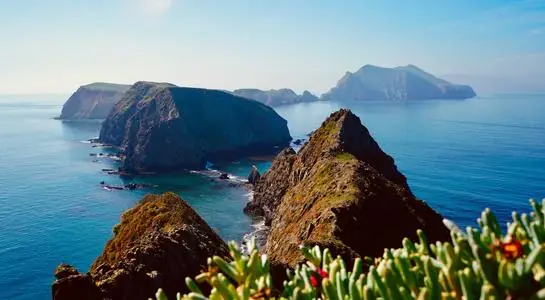
Rugged cliffs and clear blue water at Channel Islands National Park
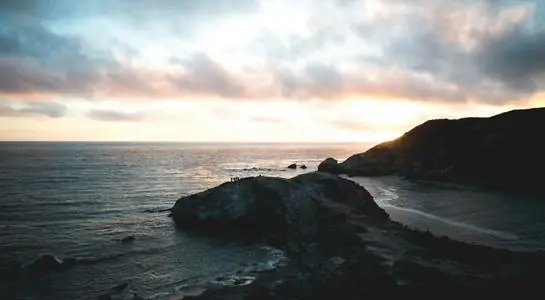
Coastal bluff at Channel Islands National Park with people watching the sunset

Kayak & snorkel

Activities

Remote & wild

Setting

Sea caves

Highlight

Year-round (but Spring for wildflowers, Fall for kayaking)

Best season

Why We Love It

  • Remote beauty: Accessible only by boat or small plane, the islands feel like California’s last truly wild frontier.
  • Unique wildlife: Spot island foxes, nesting seabirds, and marine life found nowhere else on Earth.
  • Adventure variety: Hike coastal ridges, kayak sea caves, snorkel kelp forests, or simply enjoy the rugged seascapes.
  • Epic sea caves: Santa Cruz Island’s Painted Cave ranks among the largest in the world, glowing with colorful mineral walls.

Parking & Access

  • Mainland bases: Ventura and Oxnard are the ferry departure points, both with nearby RV-friendly camping spots.
  • Parking at Ventura Harbor: Day parking is available near the visitor center; no overnight RV parking in the lots.
  • No vehicles on islands: Once there, it’s all on foot, kayak, or with a guided tour—plan your RV stay on the mainland.
  • Campsites on the islands: Primitive tent-only sites exist, but you’ll need backpacking gear, not an RV.

  • Kayak Painted Cave: Paddle into multicolored walls of one of the world’s largest sea caves.
  • Wildlife watching: Spot dolphins and whales on the ferry ride, and seals and sea lions onshore.
  • Island hikes: Inspiration Point on Anacapa or the rugged cliffs of Santa Cruz are top picks.
  • Snorkeling: Summer and fall bring calm seas—perfect for exploring kelp forests.

Before You Go

How do you actually land a spot when everything’s booked?

Most California parks use Recreation.gov, and reservations open six months out at 7 a.m. Pacific Time. Set an alarm and book fast. If it’s full, try Campnab—it alerts you when someone cancels. For first-come sites, show up early (before 8 a.m.); rangers release unclaimed spots each morning.

How do you avoid overpaying once you’re inside the park?

Grab the America the Beautiful Pass—it covers every U.S. national park for one annual fee. Fill up on gas, groceries, and firewood before entering; prices double inside. Most park campgrounds are dry camping, so plan a night outside the park at a full-hookup RV spot to dump, refill, and recharge.

How do you avoid the chaos everyone complains about?

Arrive early or late—before 8 a.m. or after 4 p.m.—to skip long gate lines. Weekdays are far quieter. Yosemite, Joshua Tree, and Sequoia have multiple entrances; the lesser-known ones like Hetch Hetchy or Ash Mountain usually move faster. Check the official NPS page for current closures and alerts before driving in.

What do seasoned RV travelers always pack that rookies forget?

California parks swing from 30°F mornings to 100°F afternoons—pack layers. Bring extra water, offline maps, and cash or a card for entrance fees since cell service drops early. Know your RV’s exact height for size-restricted roads like Glacier Point. Keep quarters for showers and refillable jugs handy, and you’ll look like a pro out there.


More Tips & Inspiration for Your California Road Trip


Two women stand with surboards

Your RV, Your Route, Your Memories

Ready to Explore California Your Way?

Forget the ordinary. Start your California road trip with a fully equipped RV—coastlines, deserts, and national parks are all within reach. It’s freedom, fun, and the perfect crew—just add you.

Book your trip from California