Camping Guides
Meili Wyss • Last updated: August 7, 2026 • 6 min read
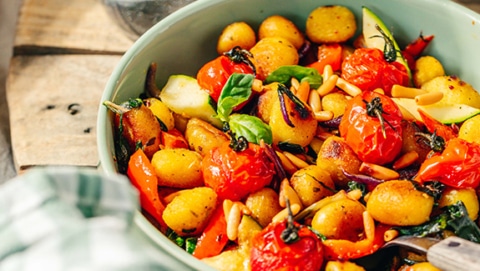
A camp stove frittata is a skillet of eggs, potatoes, and vegetables cooked entirely on one burner, no oven required. It takes one pan and about 45 minutes, feeds two people generously, and tastes as good cold at a trailhead as it does hot at the picnic table.
Most frittata recipes tell you to finish the eggs under a broiler. In a camper van, that instruction is useless. This version cooks both sides on the stovetop instead, so it works on a two-burner propane camp stove, an induction plate, or the single burner in a compact camper van rental.
A frittata solves the two problems that make camp breakfasts annoying: too many pans, and too many leftovers with nowhere to go.
Everything cooks in one skillet, so cleanup is one skillet. The vegetables are flexible, which matters when you are four days into a trip and the cooler holds half a zucchini and whatever survived the last grocery run.
A frittata is also one of the few egg dishes that is genuinely good at room temperature, so the second half becomes lunch instead of a problem. It uses up the produce that goes soft first: peppers, zucchini, and scallions all fade before the potatoes do, and this recipe eats them in that order.
The one thing it does need is a lid. Without one the top never sets, and you end up trying to flip something that is still liquid in the middle.

© roadsurfer GmbH / linsyas
This recipe needs eleven ingredients, one pan, and a lid. Nothing here is hard to find in a US grocery store, and most of it survives a few days in a cooler without complaint.
Waxy potatoes matter more than anything else on the list. Yukon Gold and red potatoes hold their shape when sliced thin and cooked in oil. Russets break down into mush and make the frittata grainy.
The optional spices are worth carrying. A spice tin with paprika, chili flakes, and dried oregano turns the same base recipe into three different breakfasts across a week.
Eight eggs sounds like a lot for two people because it is. A frittata this size is built to leave half of itself behind for lunch, which is most of the reason to make one.
| Ingredient | Amount |
|---|---|
| Waxy potatoes (Yukon Gold or red) | 10 oz, about 2 medium |
| Red bell pepper | 1 |
| Zucchini | 1/2 |
| Sun-dried tomatoes | 8 |
| Scallions | 2 |
| Flat-leaf parsley | 1 small bunch |
| Olive oil | 3 tbsp |
| Capers | 1 tbsp |
| Large eggs | 8 |
| Parmesan, freshly grated | 1 cup (3.5 oz) |
| Salt | 1/2 tsp, plus more to taste |
Optional: black pepper, sweet paprika, chili flakes, dried oregano, 1 clove garlic.
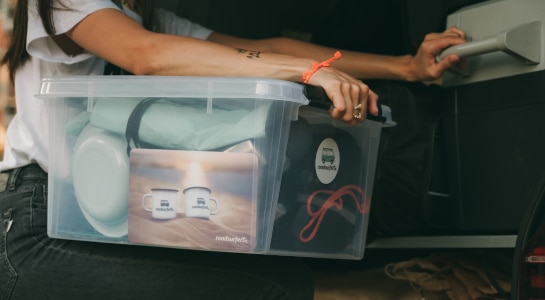
Everything in this recipe fits in the roadsurfer Kitchen Box, which comes with a pan, a peeler, a sharp knife, a cutting board, and plates wide enough to use for the flip. If you are packing your own kit, check it against our RV camping packing list. A lid is the one thing people forget, and without it the top of the frittata never sets.
The whole recipe runs about 45 minutes: 15 minutes of prep and 30 minutes at the stove. Read the steps once before you light the burner, because there is no counter space to catch up on chopping after the oil is hot.
Two numbers matter more than the rest. Keep the heat low once the eggs go in, and rest the frittata for two minutes before cutting. Everything else is forgiving.
Cooking for three rather than two? The recipe scales by pan size, not by time. A 12-inch skillet with ten eggs still takes 8 to 10 minutes a side.
The order matters. Potatoes go in first because they take the longest, then the softer vegetables, then the eggs last so nothing overcooks while it waits its turn.
Cover the pan once the eggs are in. A lid turns a stovetop skillet into something close to an oven, and it is the difference between a set top and a raw one. If your pan has no lid, a plate or a sheet of foil does the job.
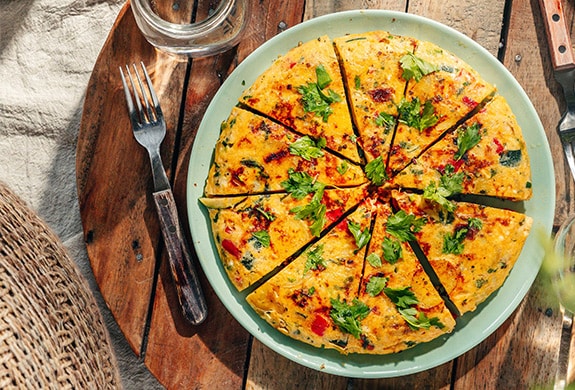
Slide the frittata onto a plate wider than the pan, place the pan upside down on top of the plate, then flip both together in one motion so the frittata lands cooked-side up.
The two things that go wrong are hesitation and a plate that is too small. Commit to the motion and keep both hands on the pan and plate. If the frittata sticks before you start, run a spatula around the edge and shake the pan until it slides freely.
If flipping in a van kitchen feels like a bad idea, cook the first side longer on very low heat with the lid on. Steam sets the top and you can skip the flip entirely. It will not brown on the second side, and nobody has ever complained.
A frittata cooks slowly with the fillings mixed into the eggs, while an omelet cooks fast with the fillings folded inside at the end.
The practical difference for camping is time and attention. An omelet needs high heat and about three minutes of constant focus. A frittata needs low heat and 20 minutes of leaving it alone, which is the better trade when you are also making coffee, packing a daypack, and trying to leave before the campground gets busy.
Frittatas also scale. Doubling an omelet means making two omelets. Doubling a frittata means a bigger pan. If one-pan cooking suits how you travel, the one-pot gnocchi skillet and these camping recipes with ranch work the same way.
Cold frittata keeps 3 to 4 days in a refrigerator at 40°F or below. Wrap the wedges tightly or store them in a sealed container so they do not pick up cooler smells.
Cold is the intended way to eat the leftovers, not a compromise. Wedges travel well in a hiking pack, hold together in a container, and need no reheating. If you want it warm, a minute per side in a dry pan over low heat is enough.
You can also do the chopping at home. Dice the peppers and zucchini, slice the potatoes into cold water so they do not brown, and pack them in containers. That turns a 45-minute camp breakfast into a 25-minute one.
Freezing works but costs you texture. The eggs weep when they thaw and the potatoes go soft. Given that a frittata takes 45 minutes from scratch, freezing is rarely worth the freezer space in a camper van.
Yes, potatoes need to be cooked before the eggs go in. Thinly sliced raw potatoes will not soften in the time the eggs take to set, so you end up with crunchy potato in a finished frittata. Five minutes in hot oil before adding the eggs is enough for 1/8-inch slices.
Yes, a frittata cooks fully on a stovetop if you use a lid and low heat. The lid traps steam, which sets the top the same way an oven would. Flip it halfway through for even browning, or leave it covered on low if you would rather not attempt the flip in a camper van.
Low heat and enough fat in the pan. High heat sets the outside before the center cooks and makes the eggs rubbery, which is the most common frittata mistake. Three tablespoons of olive oil in a 10-inch pan keeps the bottom from sticking.
Serve a camp stove frittata with bread and something acidic. A crusty roll or toasted flatbread makes it a full breakfast, and a squeeze of lemon or a spoonful of pickled vegetables cuts the richness of eight eggs and a cup of Parmesan.
The recipe is vegetarian, though traditional Parmigiano Reggiano is made with animal rennet. Swap in a rennet-free hard cheese or aged Gouda if strict vegetarian sourcing matters to you. Everything else in the recipe is plant-based apart from the eggs.
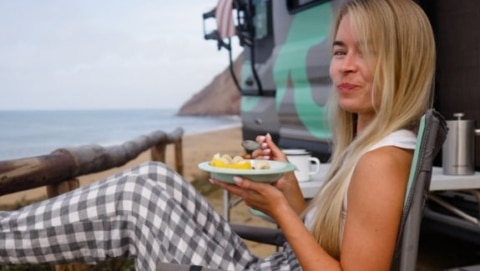
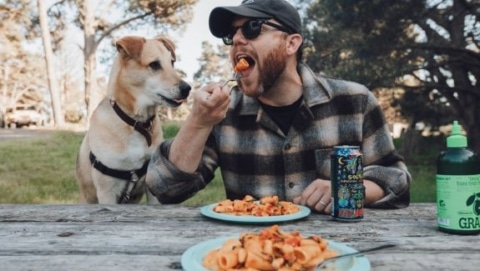
A frittata is the kind of breakfast that only makes sense when the kitchen travels with you. Pick up whatever looks good at a grocery store near your first stop and build it around that.
Browse camper van rentalsTravel smarter with roadsurfer.
Trusted by thousands of travelers worldwide.
✓ Backed by 20,000+ Google reviews
✓ Built for families, couples & adventurers
✓ Inspiration & exclusive deals for subscribers